Latitude: 42.7° north
Weather: 10° ☀️
Sunrise: 07:27 Sunset: 17:23
Following Florence was going to be a hard task. It needed somewhere pretty special, not to feel second best. Luckily our next city was just that – peace, history and a lovely sense of stillness and calm to recover from the over-excitement of Florence.
Florence station was heaving, and the train was rammed full. The first half of the journey wasn’t particularly exciting outside of the train, and was hot and noisy inside, so I plugged in some music and closed my eyes for a bit. Needed after a busy morning wringing every last drop out of Florence.
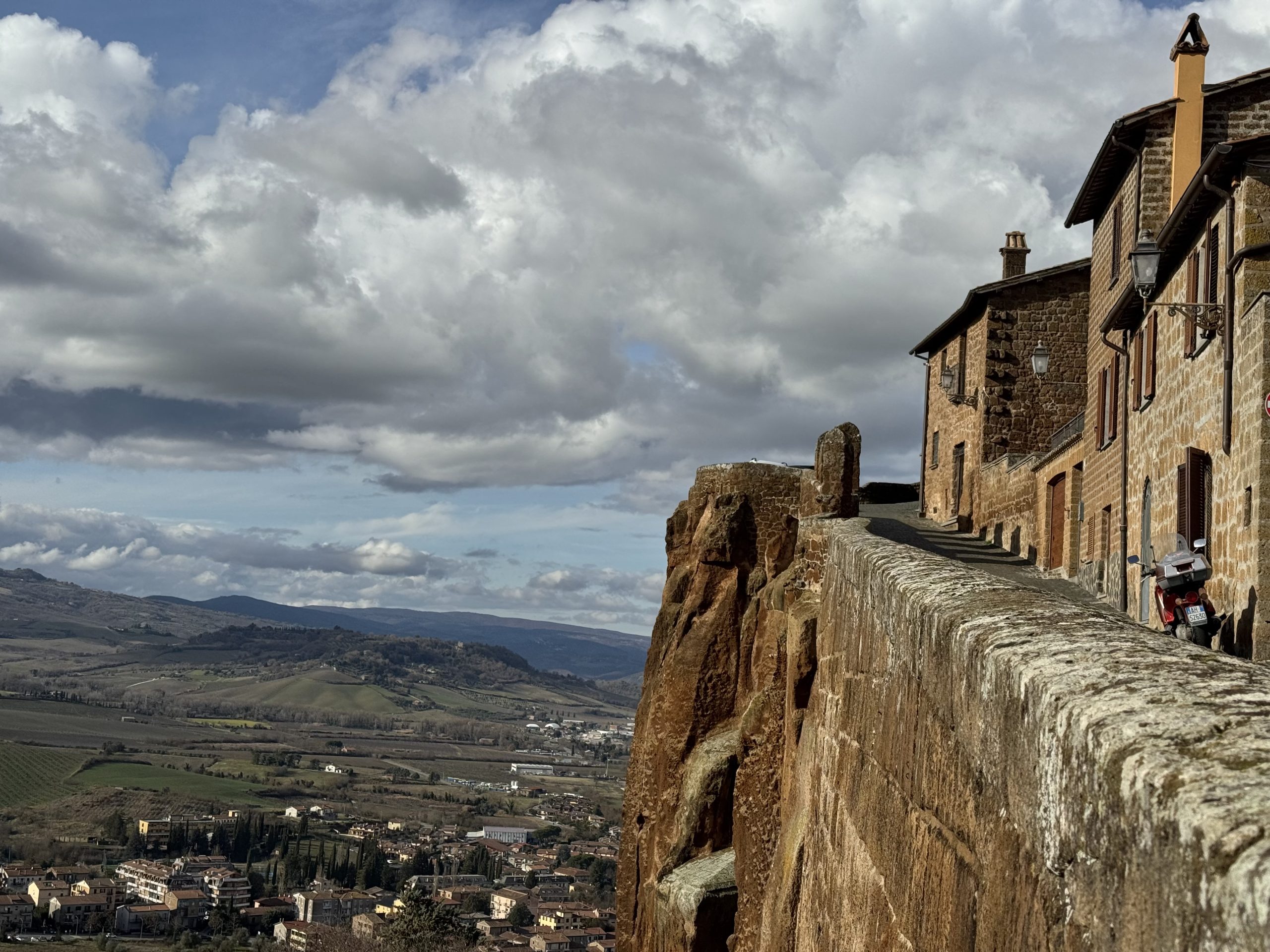
Gradually the train emptied, and the countryside became more and more beautiful. Green, soft, sunny. We got vineyards and cypress trees and distant hills, and I could feel myself unwind and relax back into travel mode again. Then, ahead, the looming outline of a great cliff-like hill, towers and buildings rising straight up. A thrilling skyline straight from a storybook. Orvieto.
Orvieto wins (jointly probably with Tallinn’s ferry) the prize for most exciting arrival. The train arrives in the valley, the fortress city rising more than 300 metres above on top of its ancient cliff.
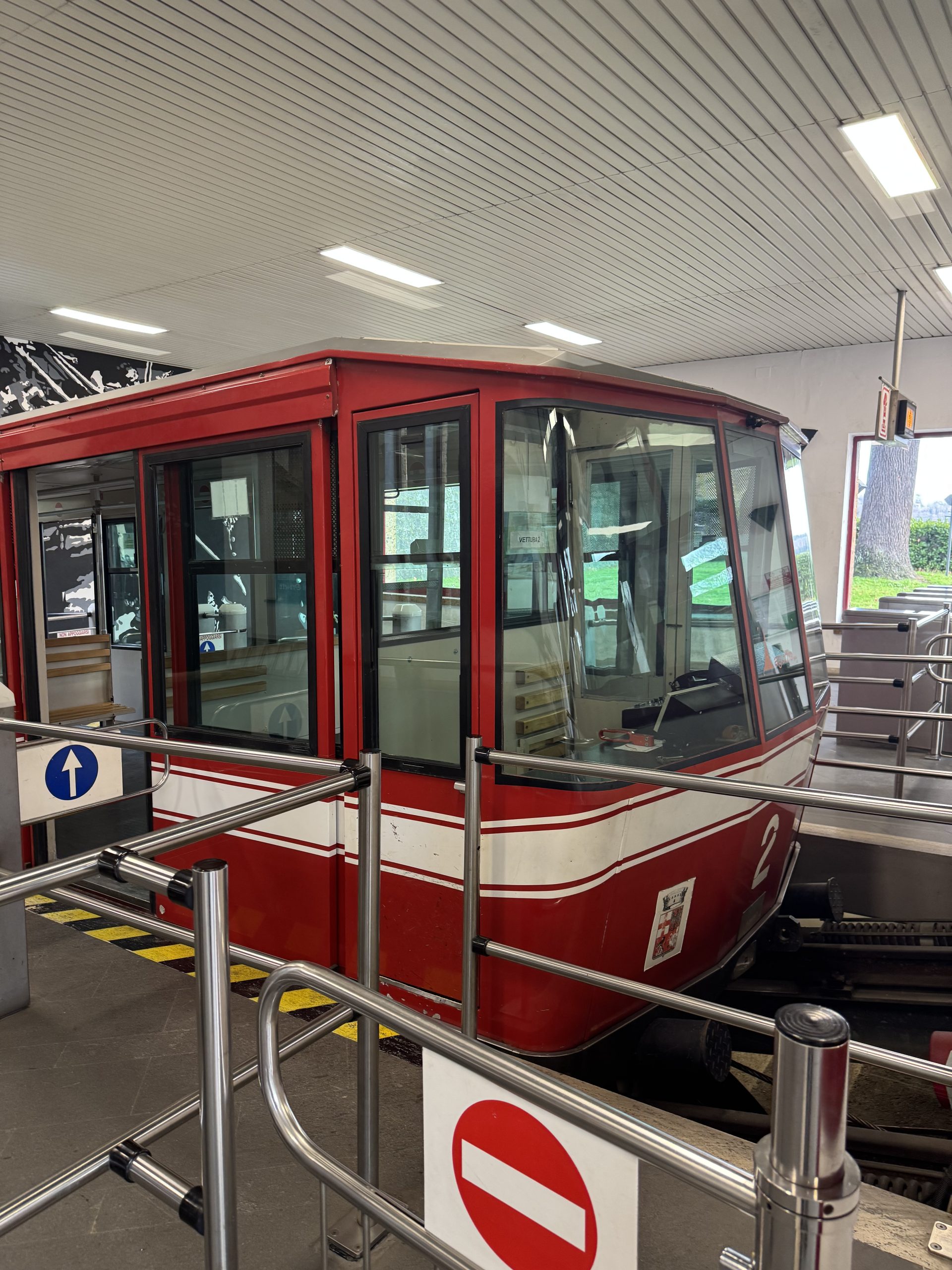
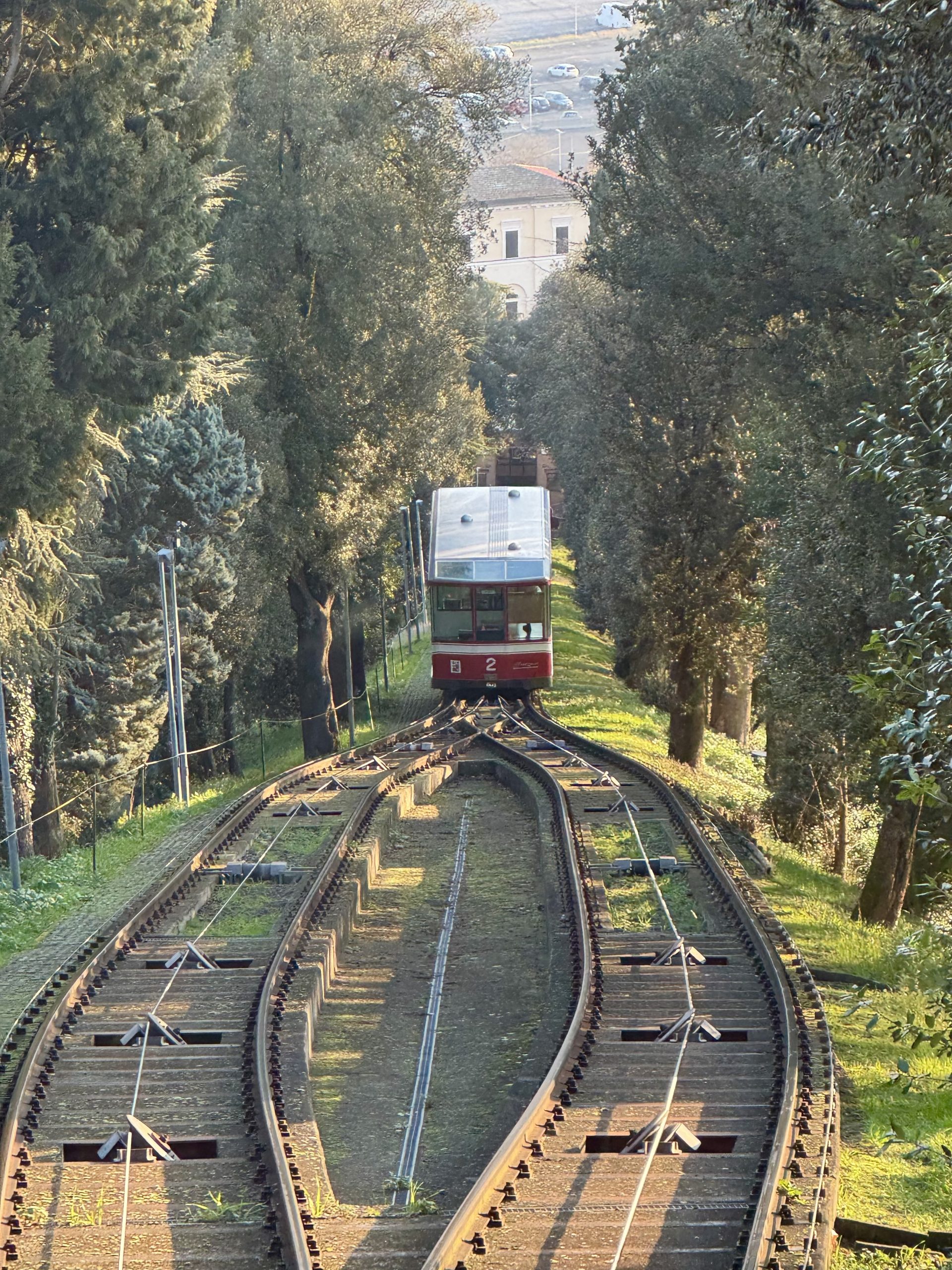
Happily, there’s a funicular which whisks you up into the old town above in just a few minutes. Emerging from the little red carriage, a cobbled street on the other side of the plaza leads you immediately into the heart of the beautiful old city.
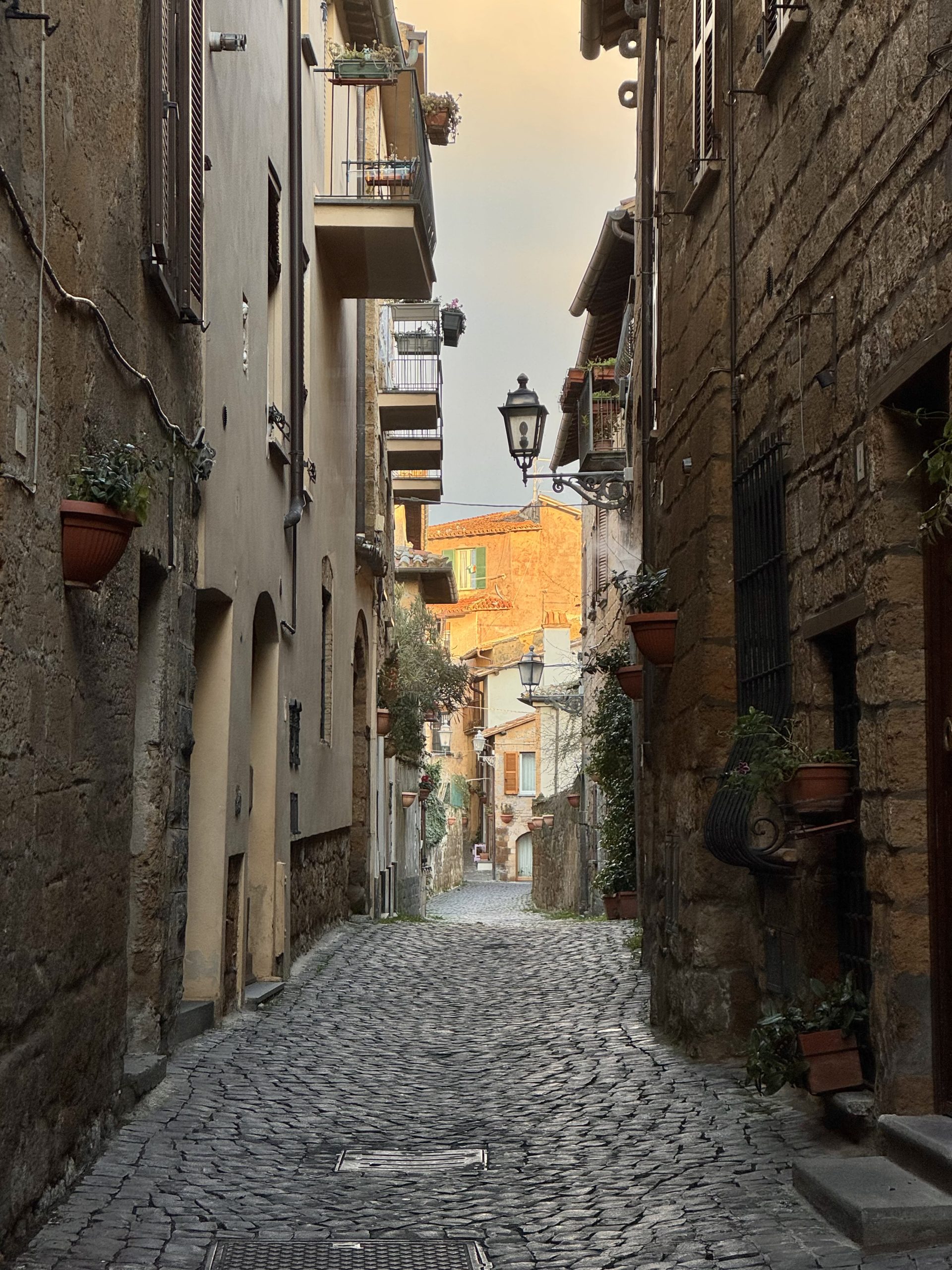
We walked up the gentle cobbled hill. Small shops, galleries, restaurants, churches. A few people out strolling, but blissfully gentle after the busy streets of Florence. We wound our way through a couple of twisty alleys and emerged into a square for our first sight of the Duomo.
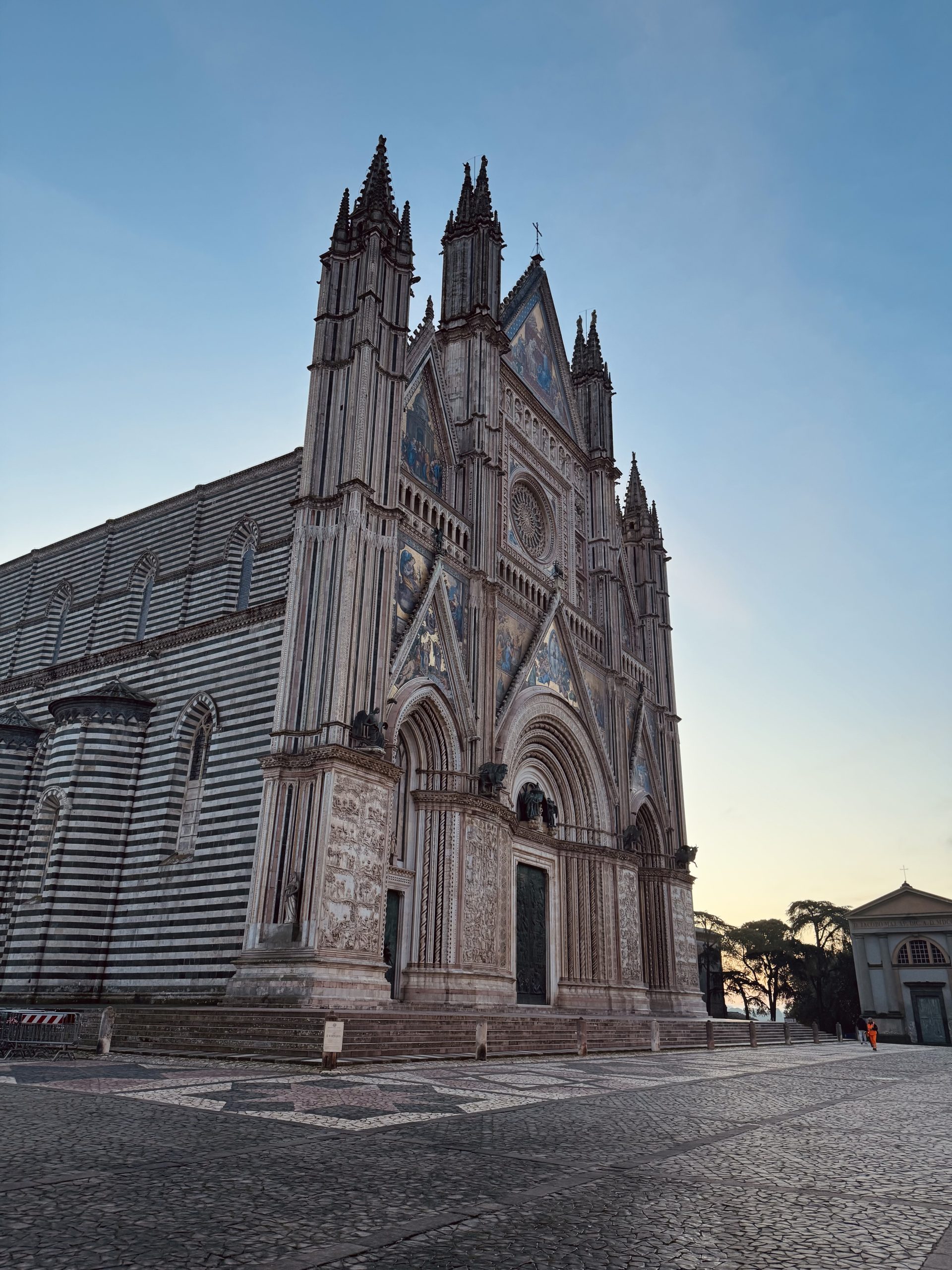
This utterly stunning cathedral would be an incredible vision anywhere, but emerging from the tight-knit streets of a medieval city to suddenly see it looming ahead makes it extra special. It has the most incredible facade, all soft pinks and gorgeous carvings, gold leaf picking out details on the pillars and in the frescos. The gold was gleaming in the sunshine; the view was mesmerising.
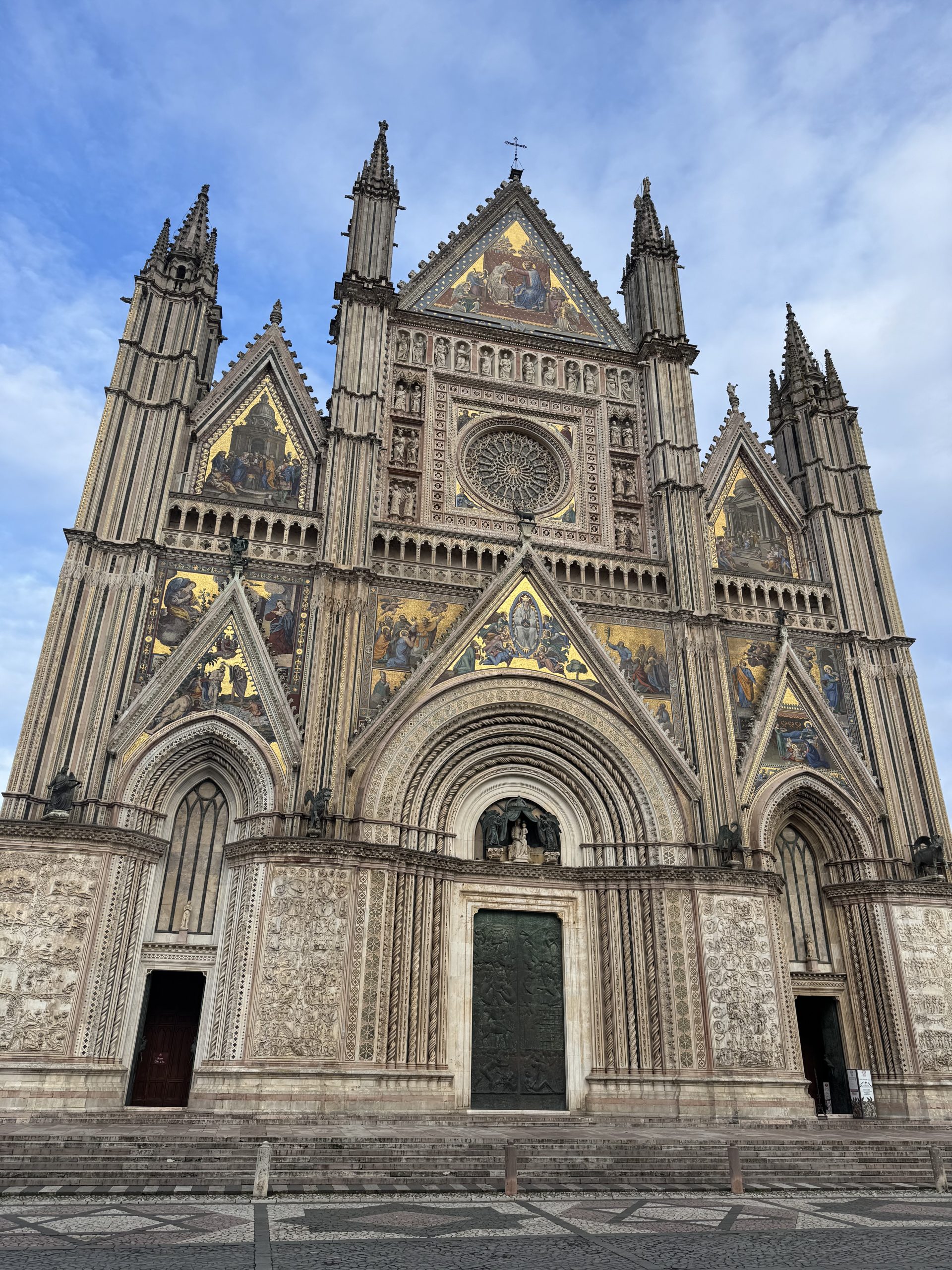
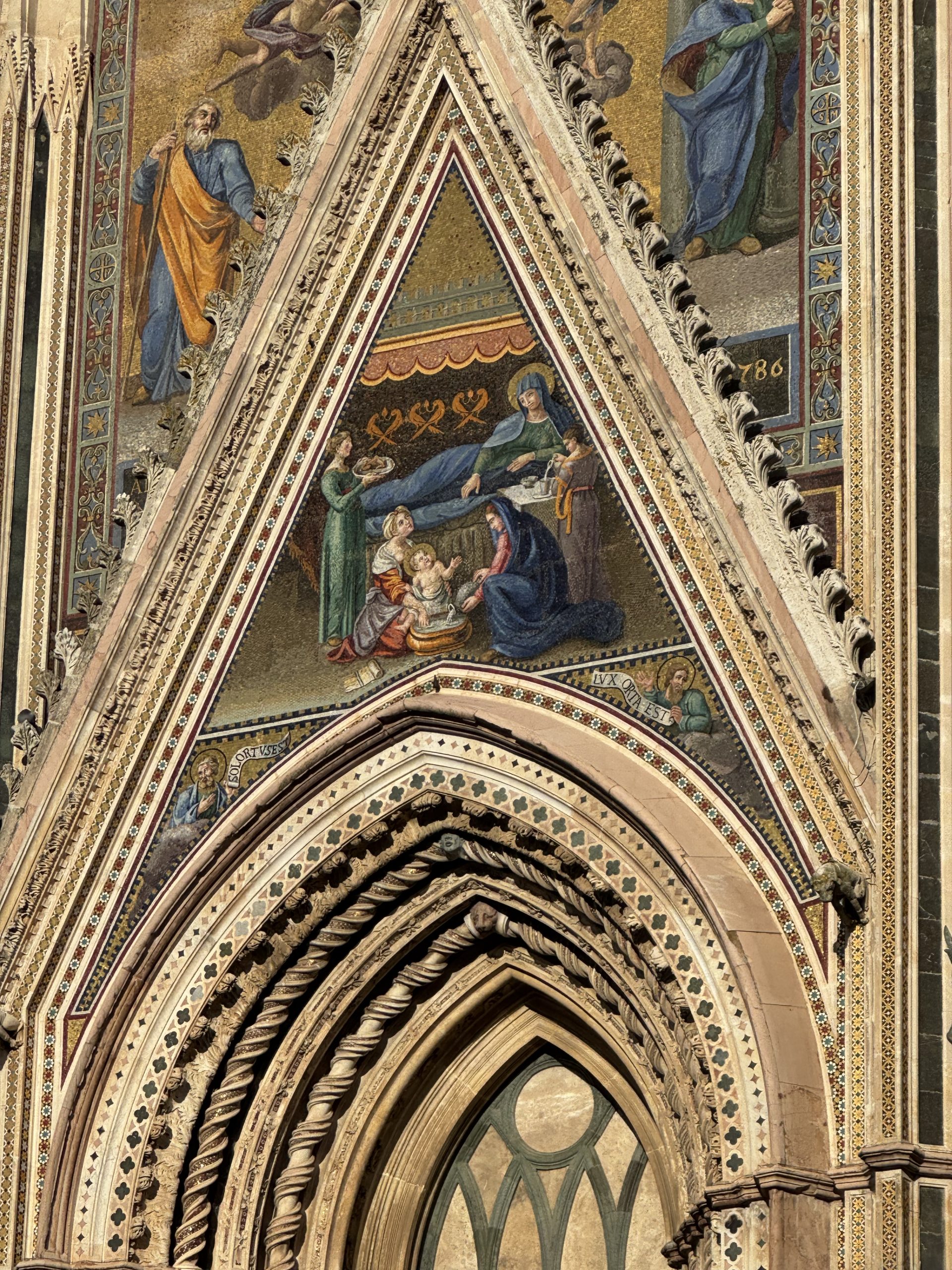
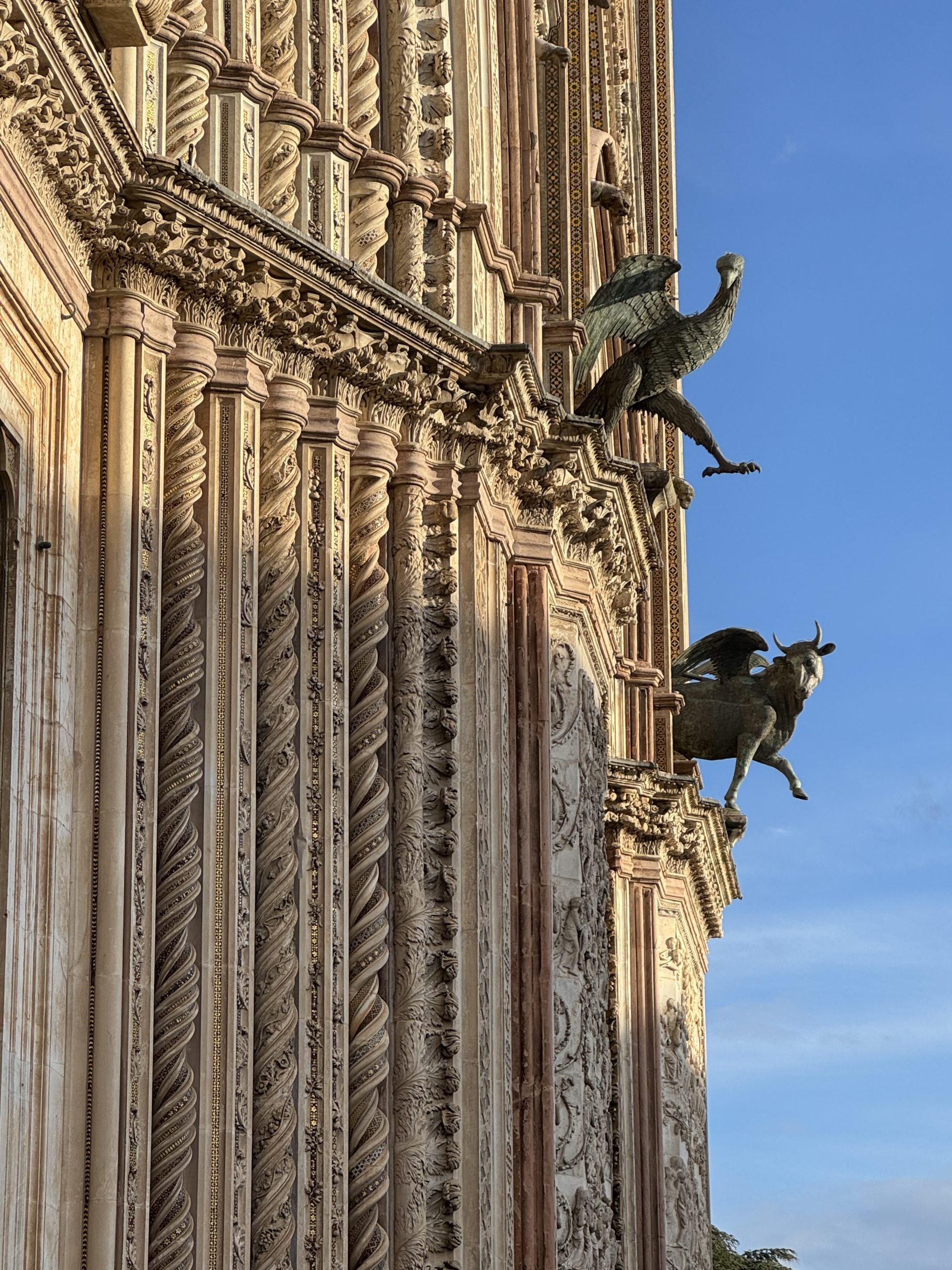
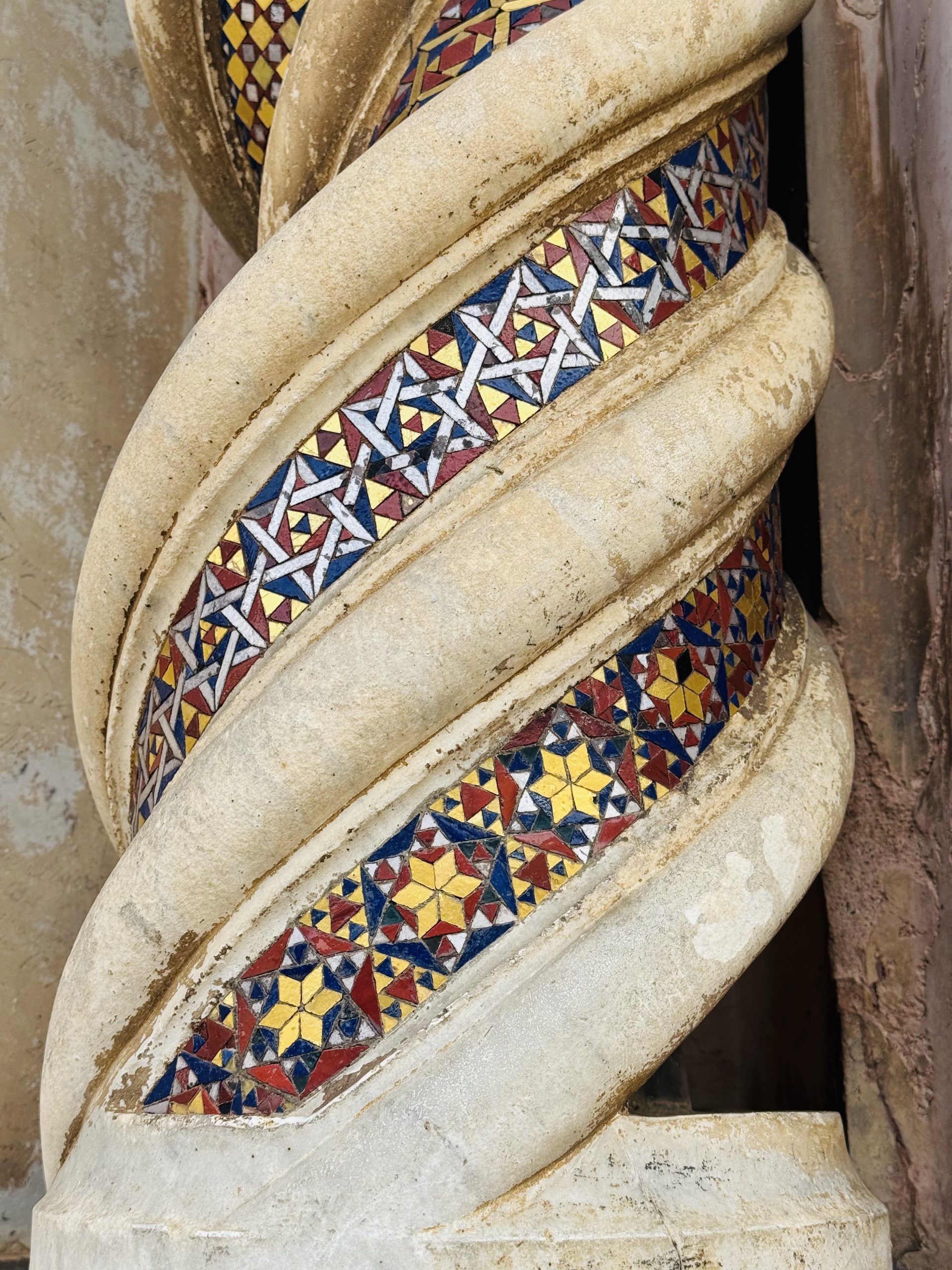
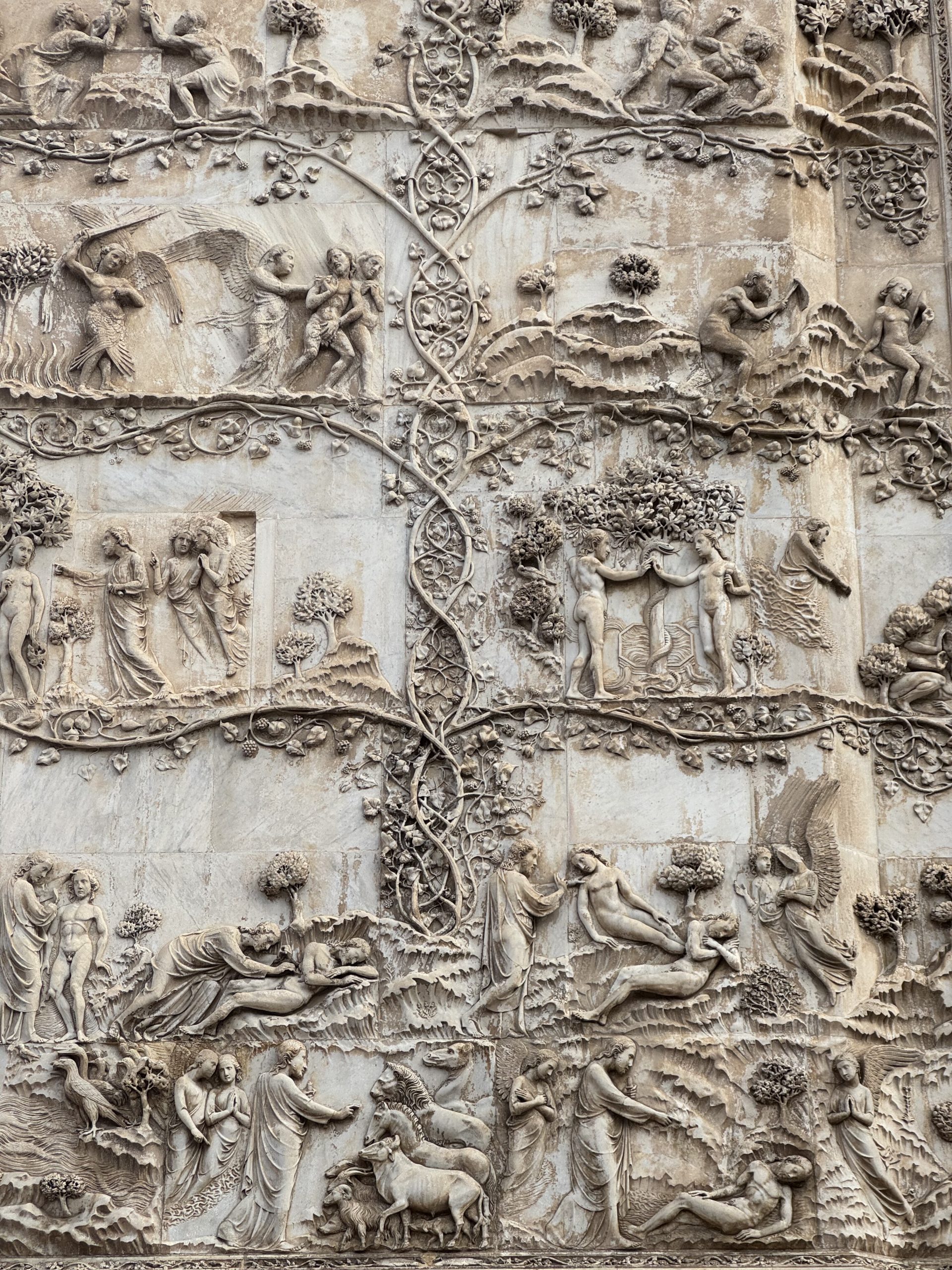
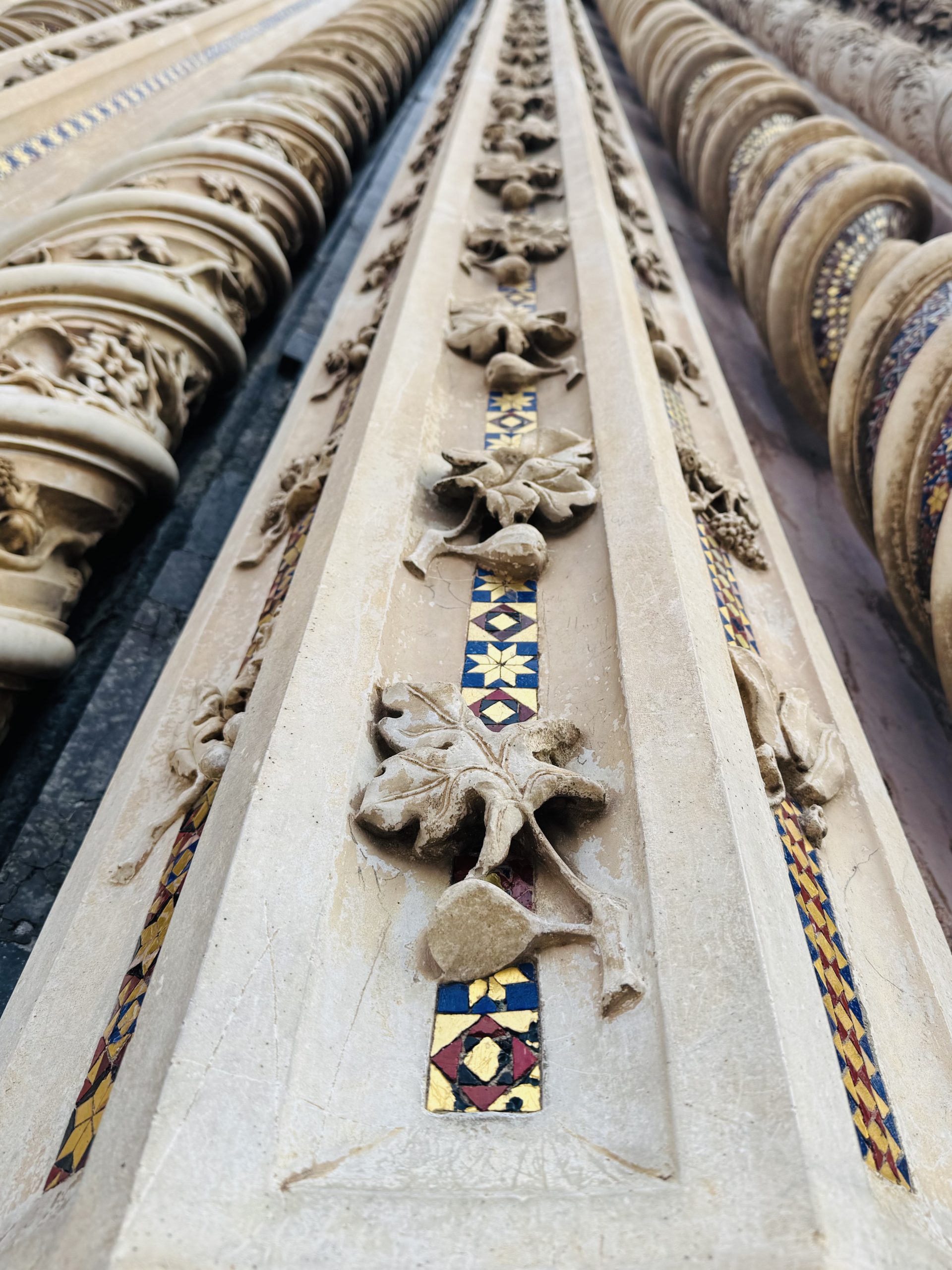
Two tiny alleys back from the Duomo, we found another big, solid wooden door, and at the top of a narrow staircase behind it, a small apartment. Views to the top of the Duomo over the rooftops from one side, and across a garden to a tall tower on the other. Heaven.
Despite the temptation to flop and rest, there was a city outside the door and we needed to get our bearings. We took a lovely stroll, happily losing ourselves and our sense of direction totally among the old buildings. We decided to cook at home for the evening, and stopped to get the ingredients for a basic meal.
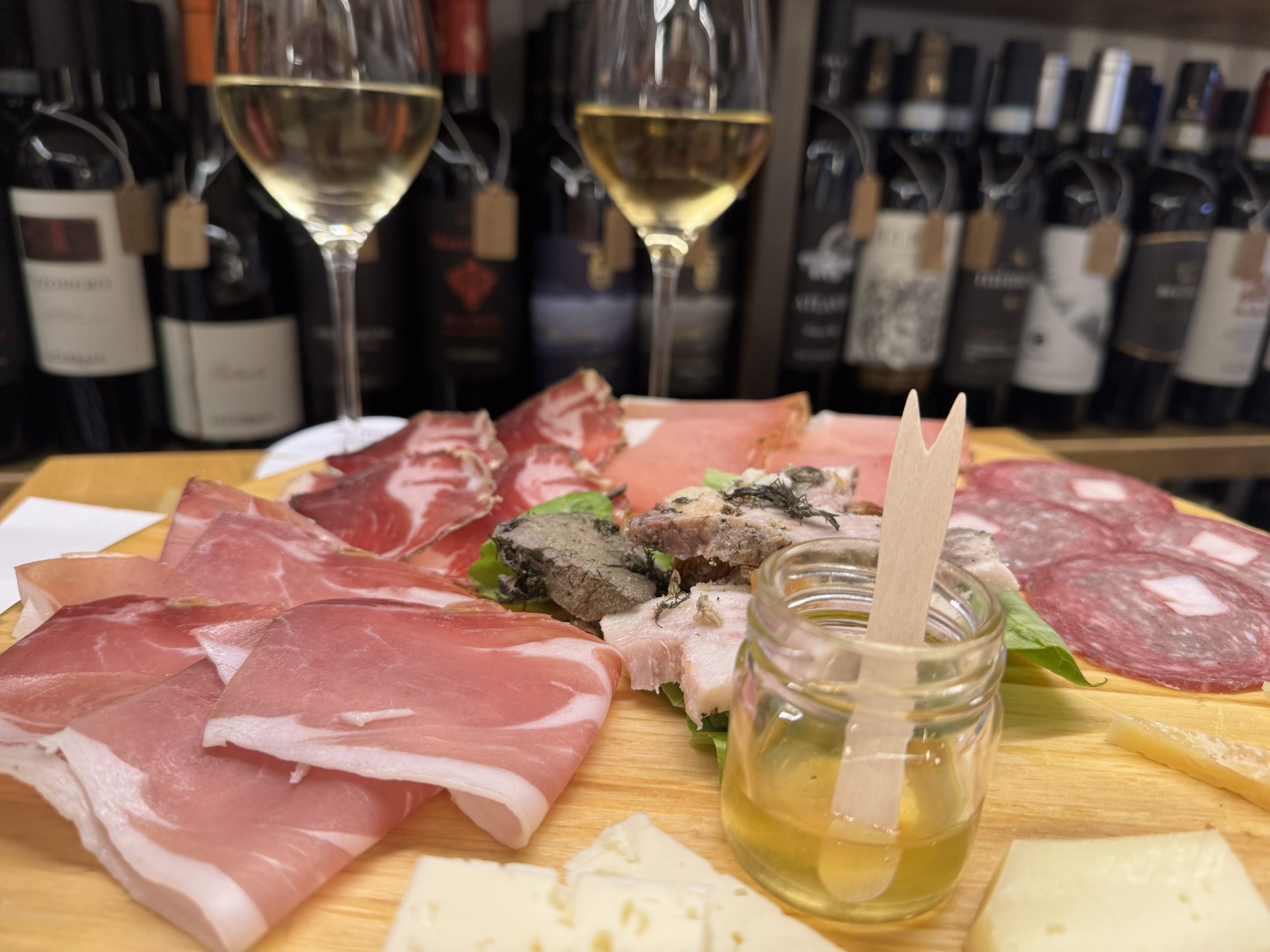
Leaving the supermarket we passed a small wine bar, warm light and smiling people sitting at high tables. Too tempting. In we went. The wine was good. The cheese was great. The next glass of wine was also great. The dinner did not get cooked!
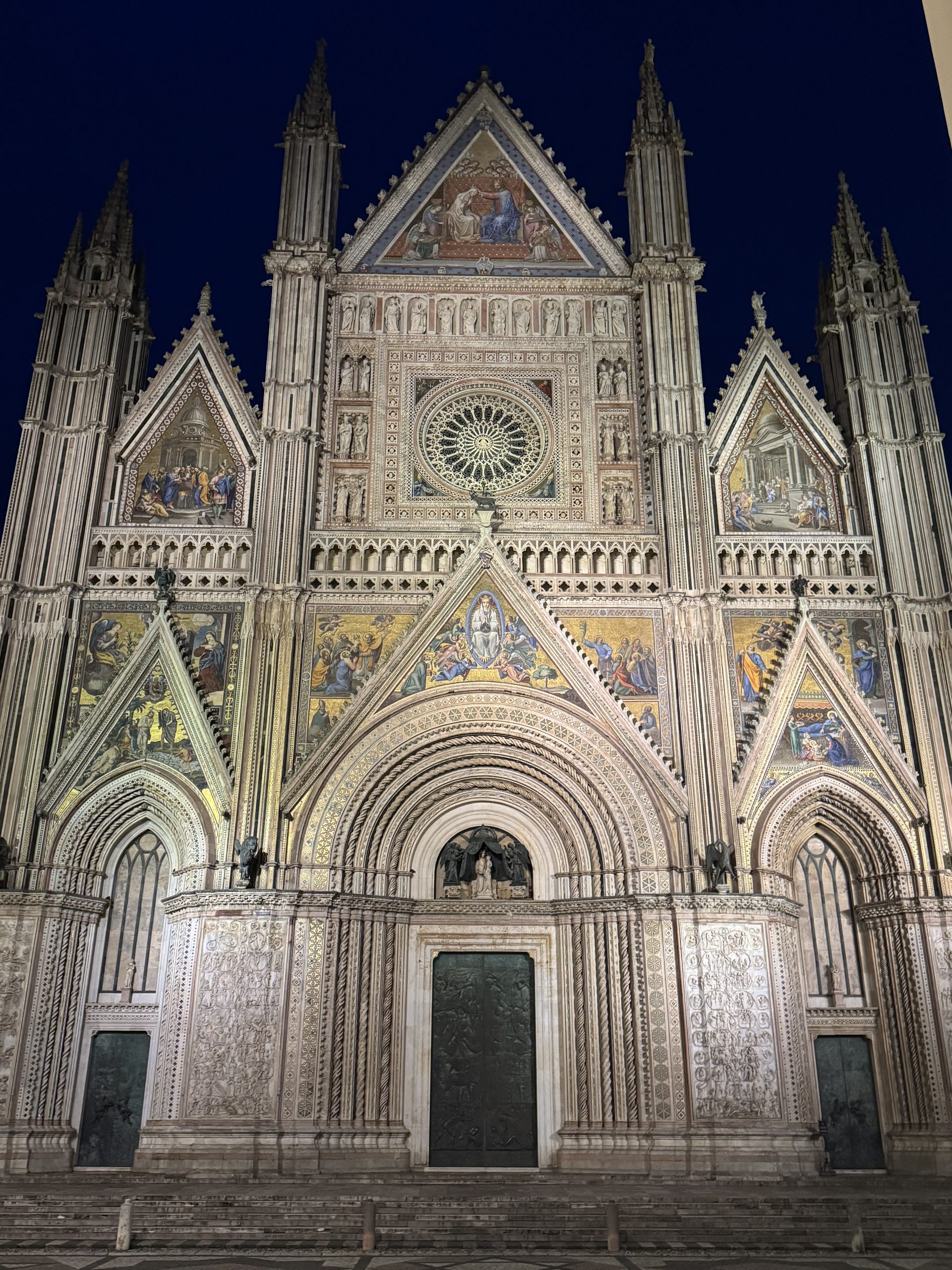
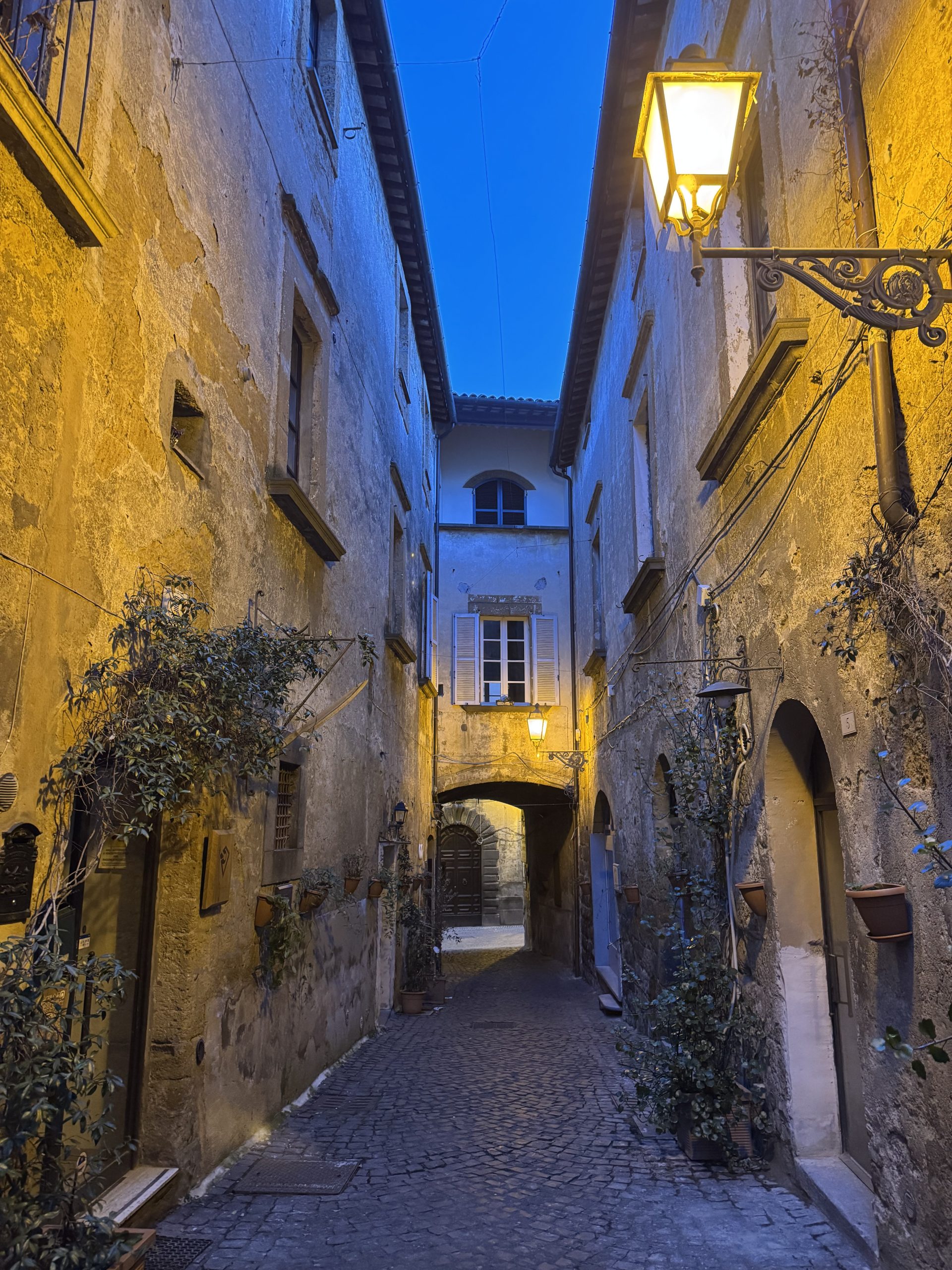
If you’ve had the patience to read more than a few of these blogs, then you’ve probably spotted that I’m a bit excitable in new places. If you’ve read St Gallen, you’ll also know how much I love the mist. So, when I woke on Saturday morning, and excitably opened the shutters to gaze at the Duomo, you can begin to picture how much I bounced to discover that the Duomo had disappeared, the very faintest of outlines of the soaring tours the only hint that existed in the thick morning mist.
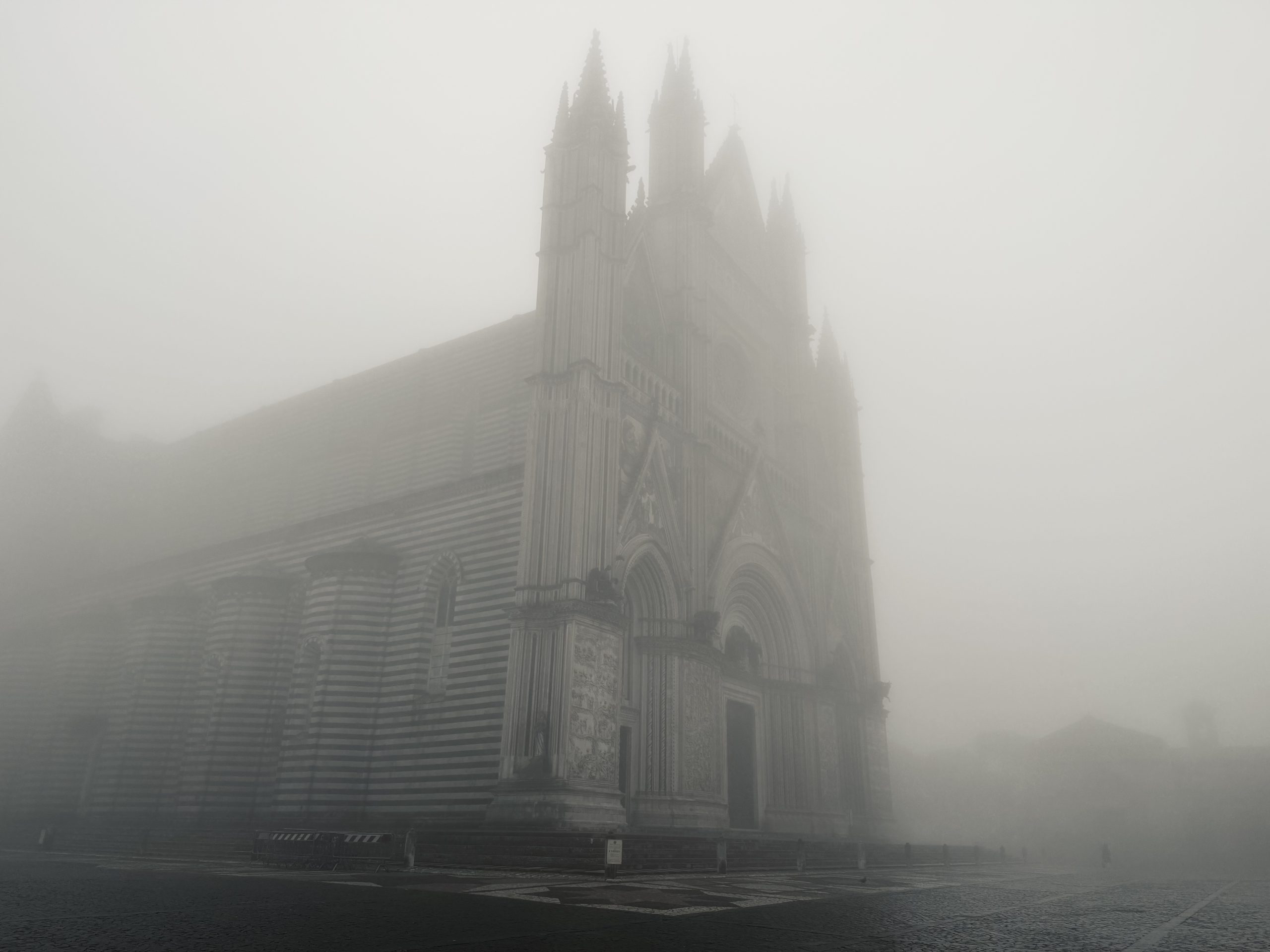
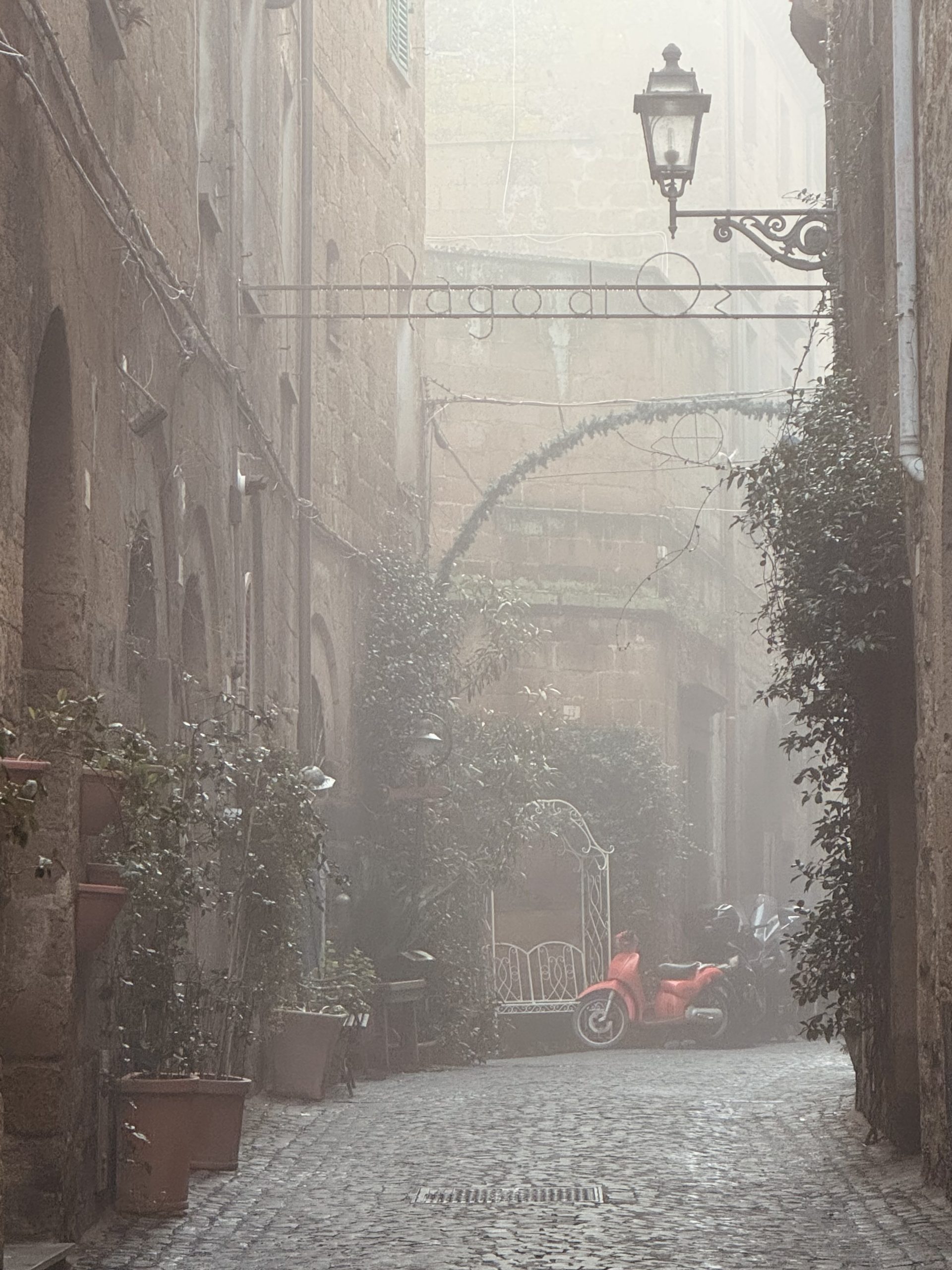
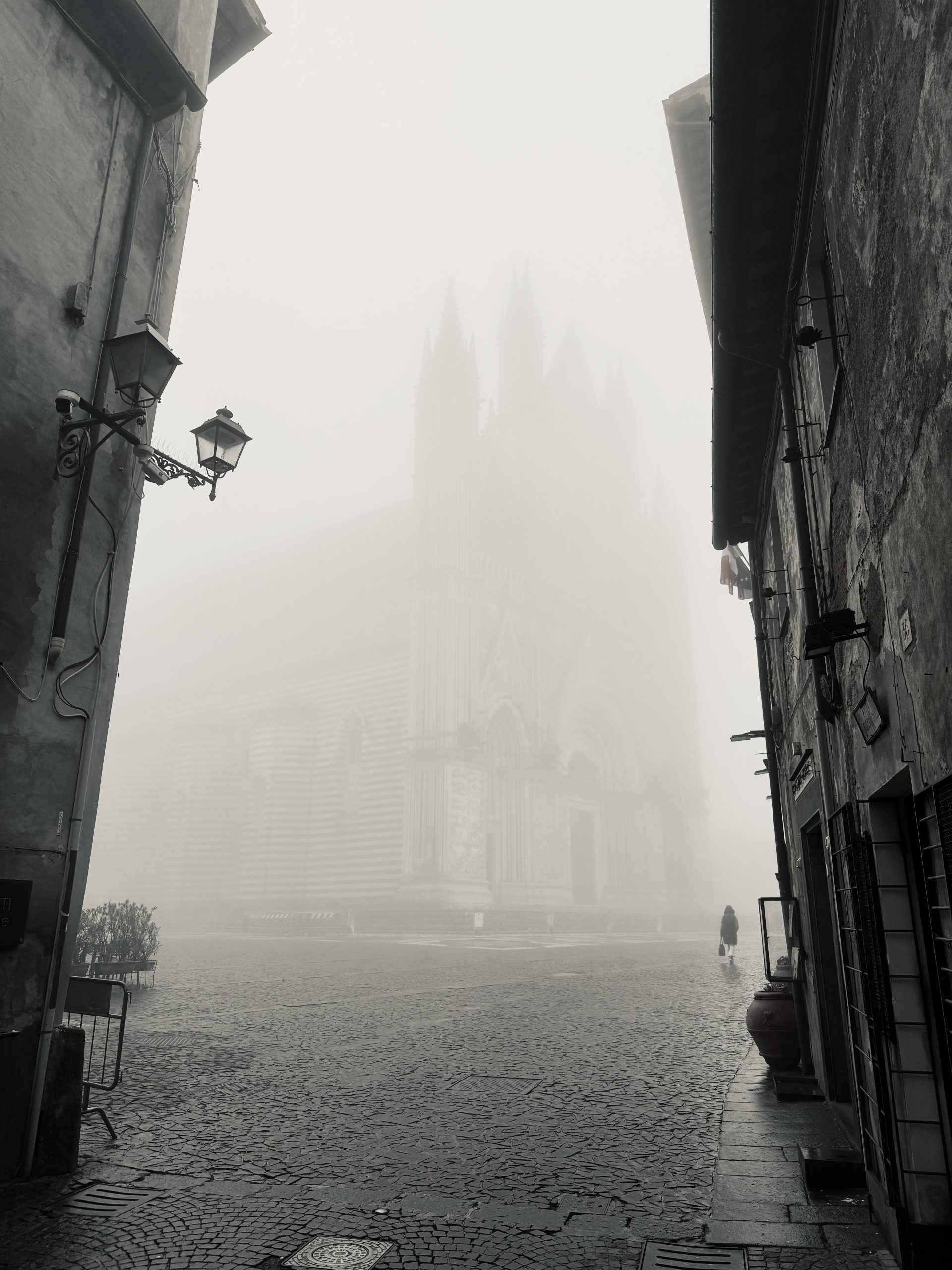
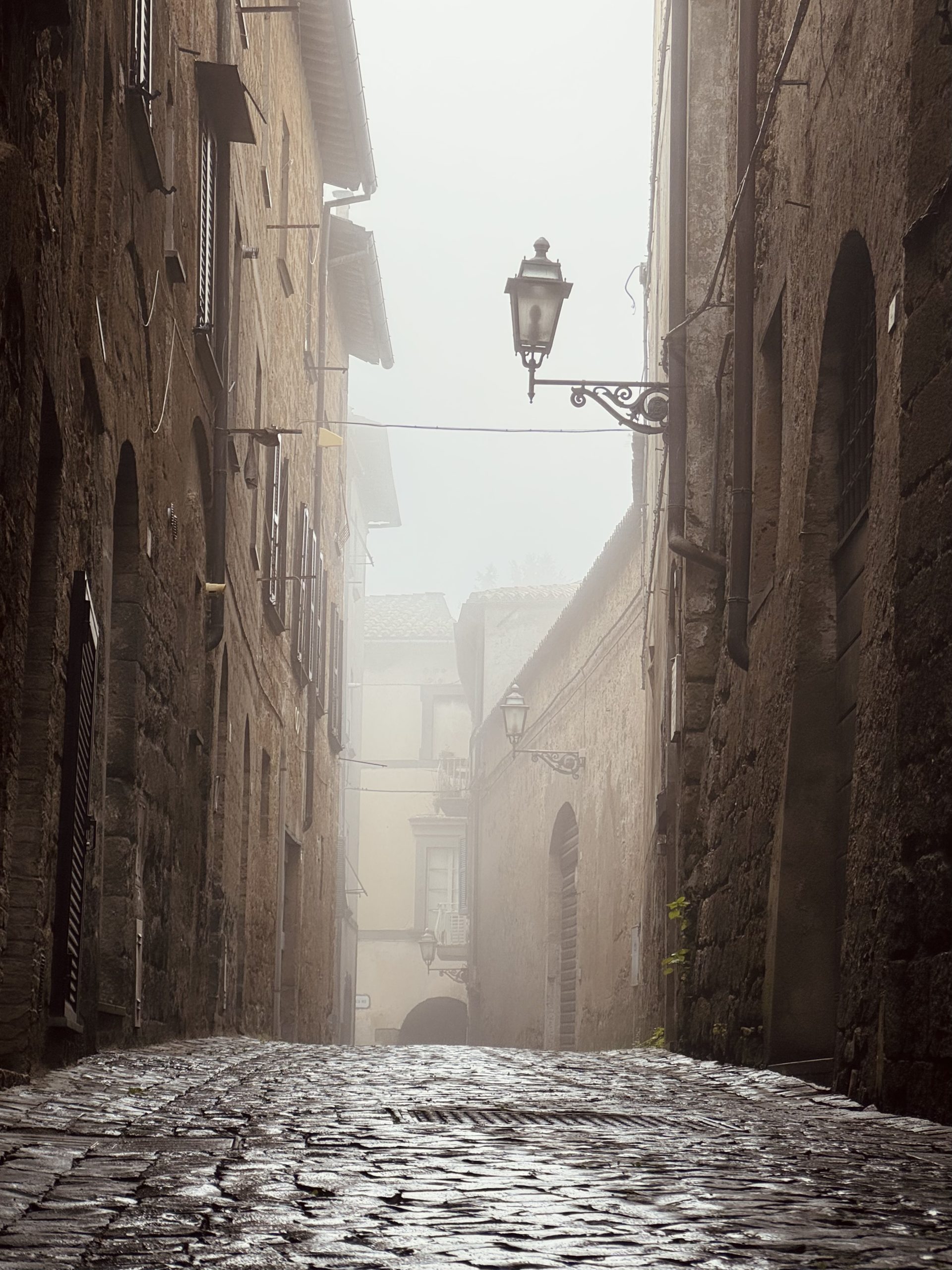
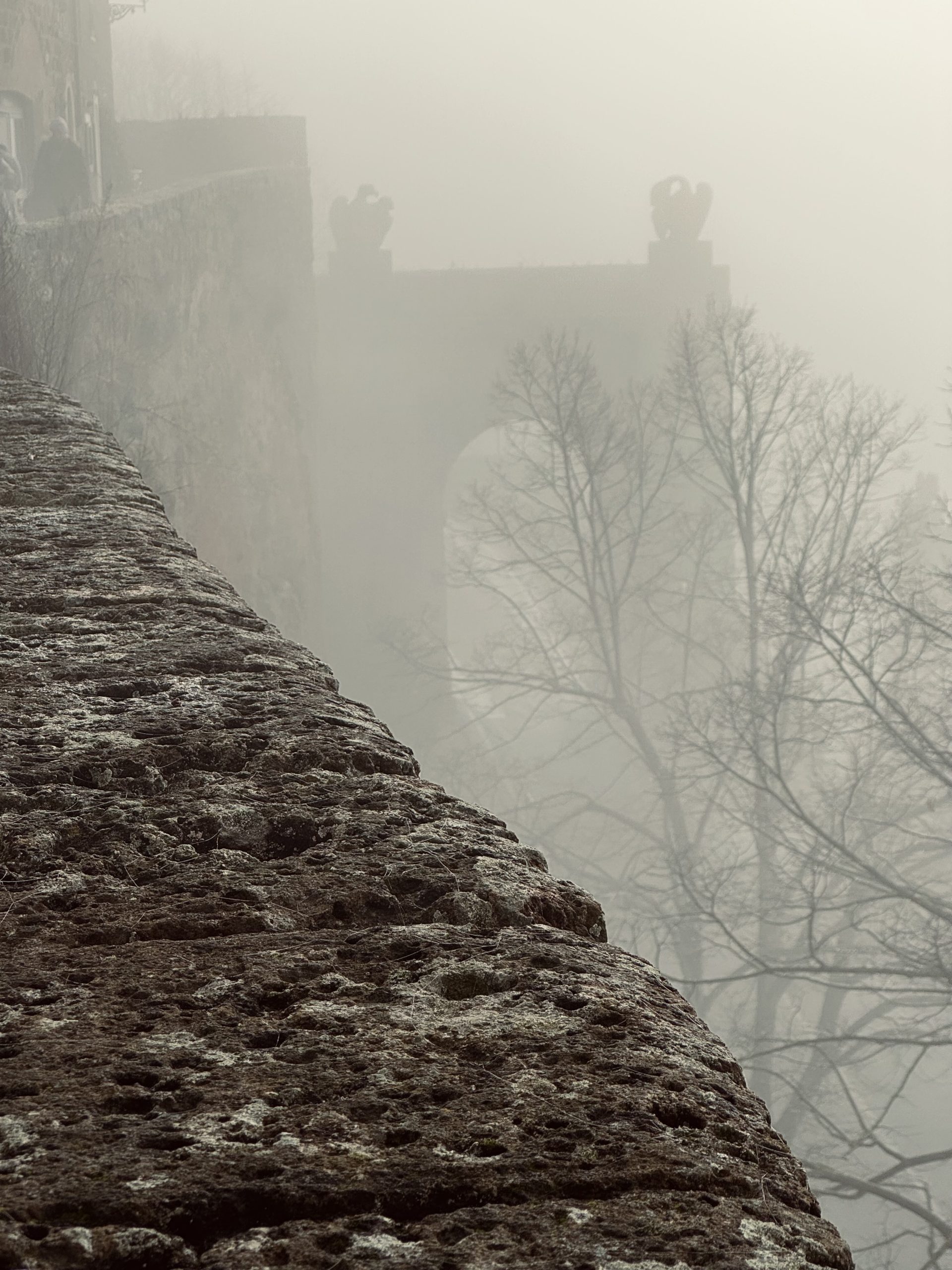
Tea gulped down, we were out of the door in no time to explore. If the city was lovely yesterday, it was this morning that it won me entirely. Wrapped in a cloak of morning mist, the world above, below and beyond erased. Cobbles shining from the damp air. Lamps diffusing their warm light through the mist droplets. No people, no cars. We could have been walking through these city streets in almost any part of its history – the mist once again rendering a city timeless.
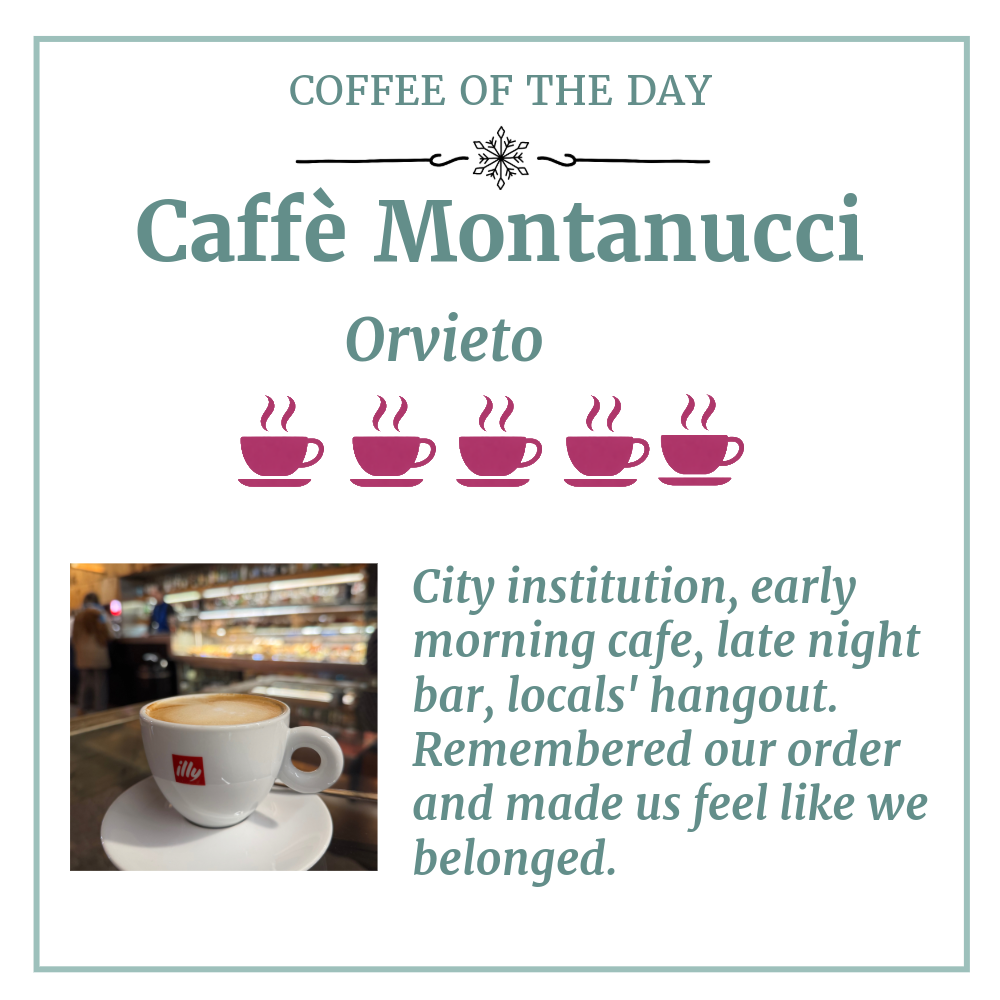
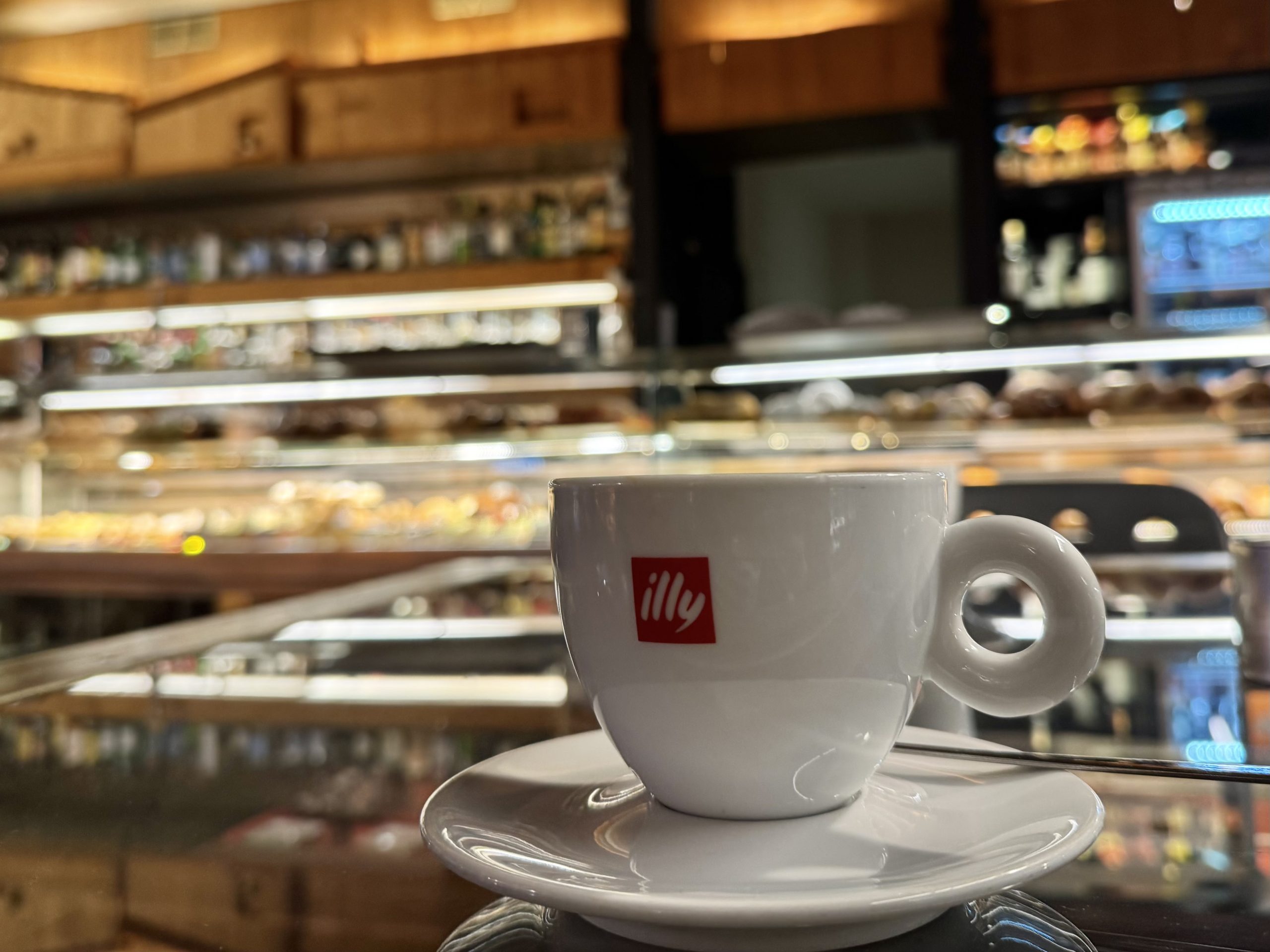
Coffee in Caffè Montanucci was another good choice. Definitely a local institution, it feels more like a mini town square than a cafe. Cobbled floor, different seating areas, great-looking cakes and excellent coffee. Locals in and out, dogs sleeping by tables. Gently alive and lovely.
While Tim headed back, I took a slow solo walk and breathed deeply to soak in the wonderful sense of peace. If Florence cocooned us in a world of lush art and beauty, people, life and movement, then Orvieto right now was enveloping me gently into a world of stillness and silence to recover. Heaven.
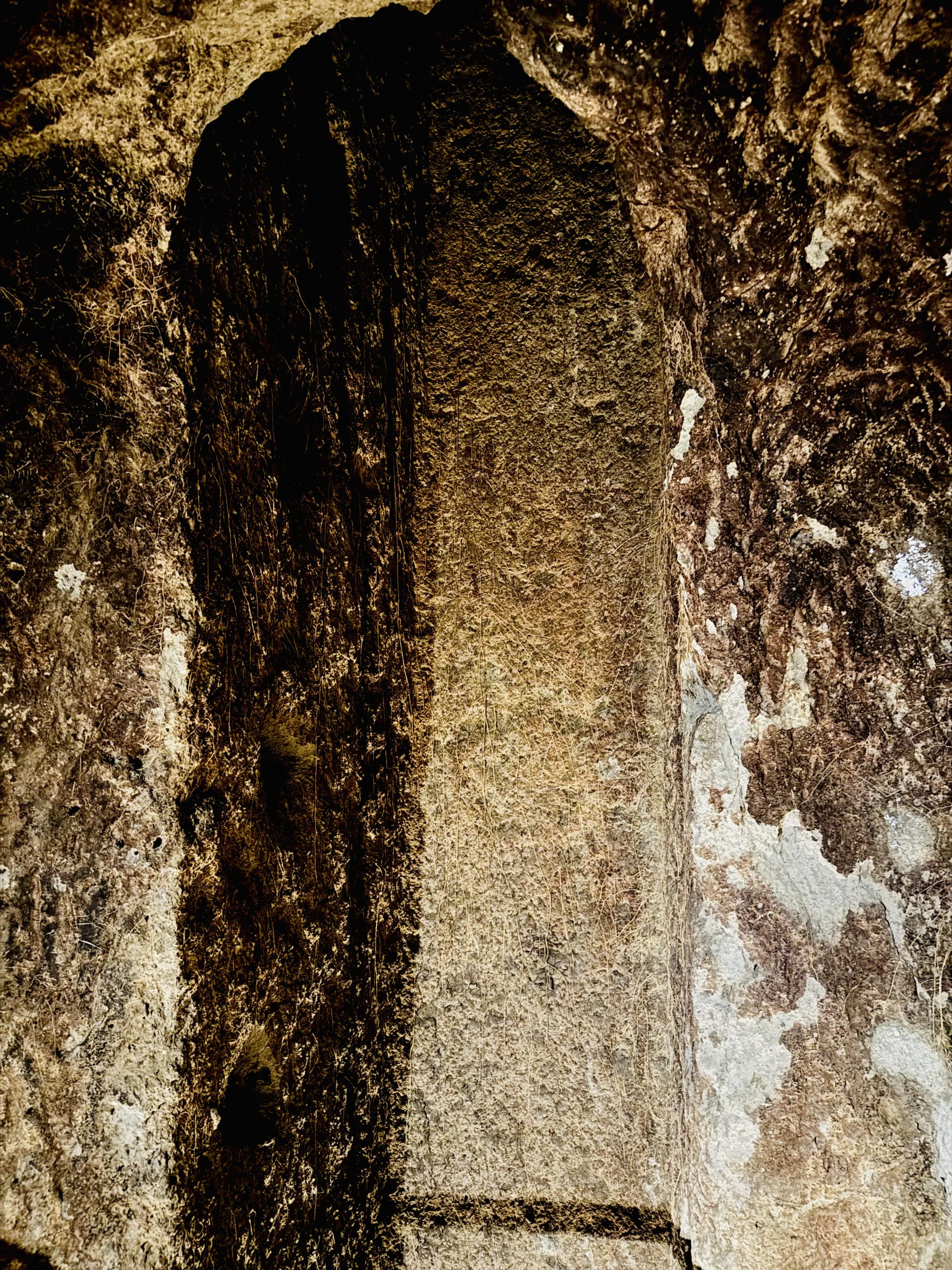
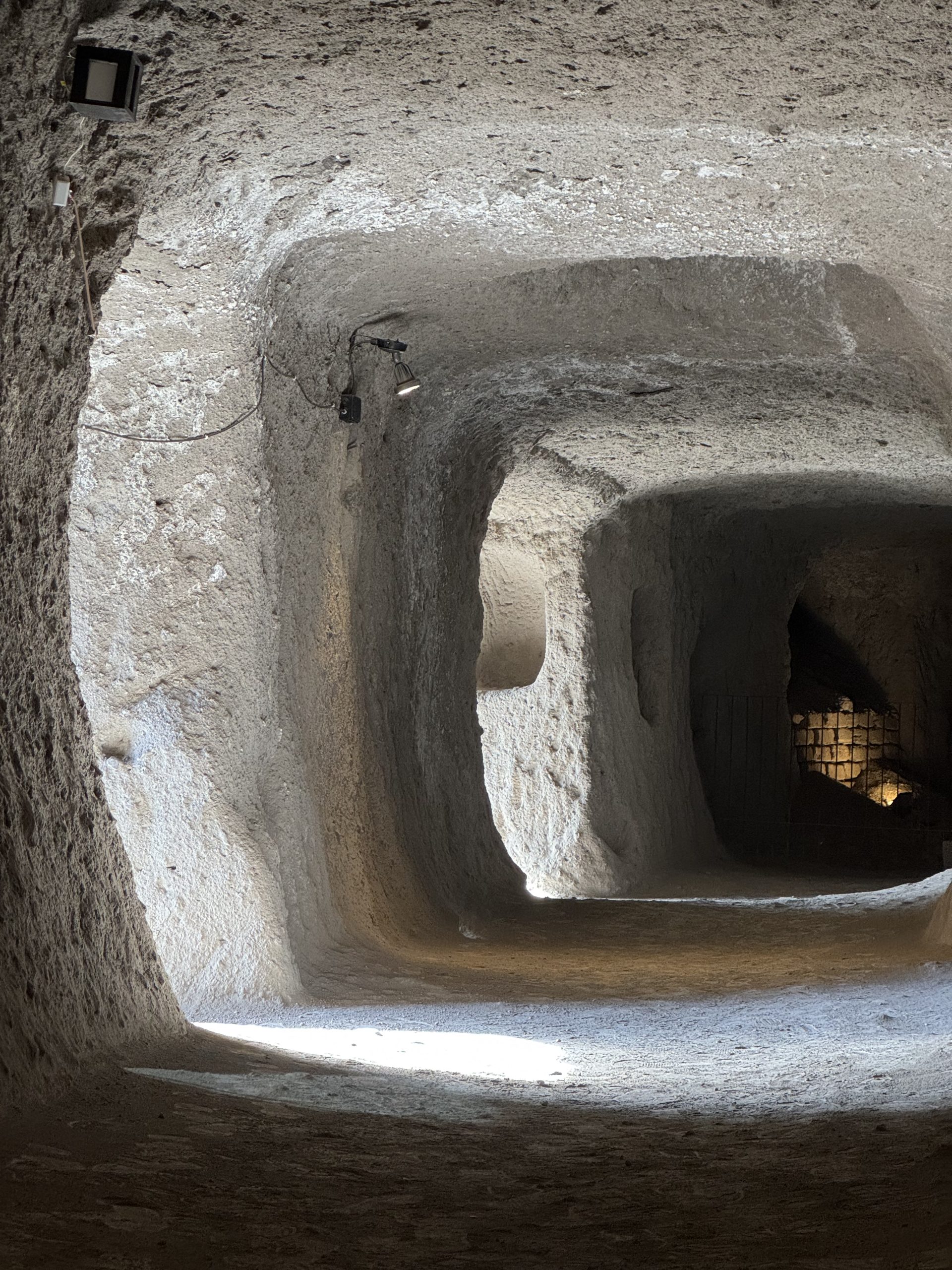
Orvieto’s history is fascinating, unique and best explored through a trip into its underground caves. Orvieto sits proudly on a hill of volcanic rock and was originally founded by the Etruscans in the 9th century BC. A natural fortress with its astonishing cliff walls, Orvieto (then known as Velma) was an obvious place to build a city, and is thought to have been one of the most important cities in the Etruscan world.
Living on a clifftop gives a lot of advantages – but water isn’t one of them. The volcanic rock is porous, which means that any water simply seeps through until it finally hits a clay layer, at least 90m under the city. Leaving the clifftop wasn’t either safe or practical as the only access to water. However, the Etruscans were smart and sophisticated, and knew how to use the geology to their advantage. Under the city to this day there is a huge network of caves which have been used for many different things over Orvieto’s history. The Etruscans dug astonishing wells, insanely deep to reach down to the clay layer with its running water. The wells are all the same size – big enough for one man to be able to dig in, and no bigger to save time and effort. You can still see the indentations on the sides which the workers used to be able to climb back out at the end of a day of digging, more than 2000 years ago. Incredible.
In the caves along the edge of the cliffs, there are also networks of ‘columbaria’ – caves with waffle-like round holes all round the sides. These were used to house pigeons, who provided a reliable source of meat to the city.
This set up of access to food and water meant that Orvieto was able to hold out against Roman siege for more than 2 years. When the Romans finally conquered the city, survivors were exiled and the city was destroyed. It then lay abandoned for almost 500 years until it began to be rebuilt.
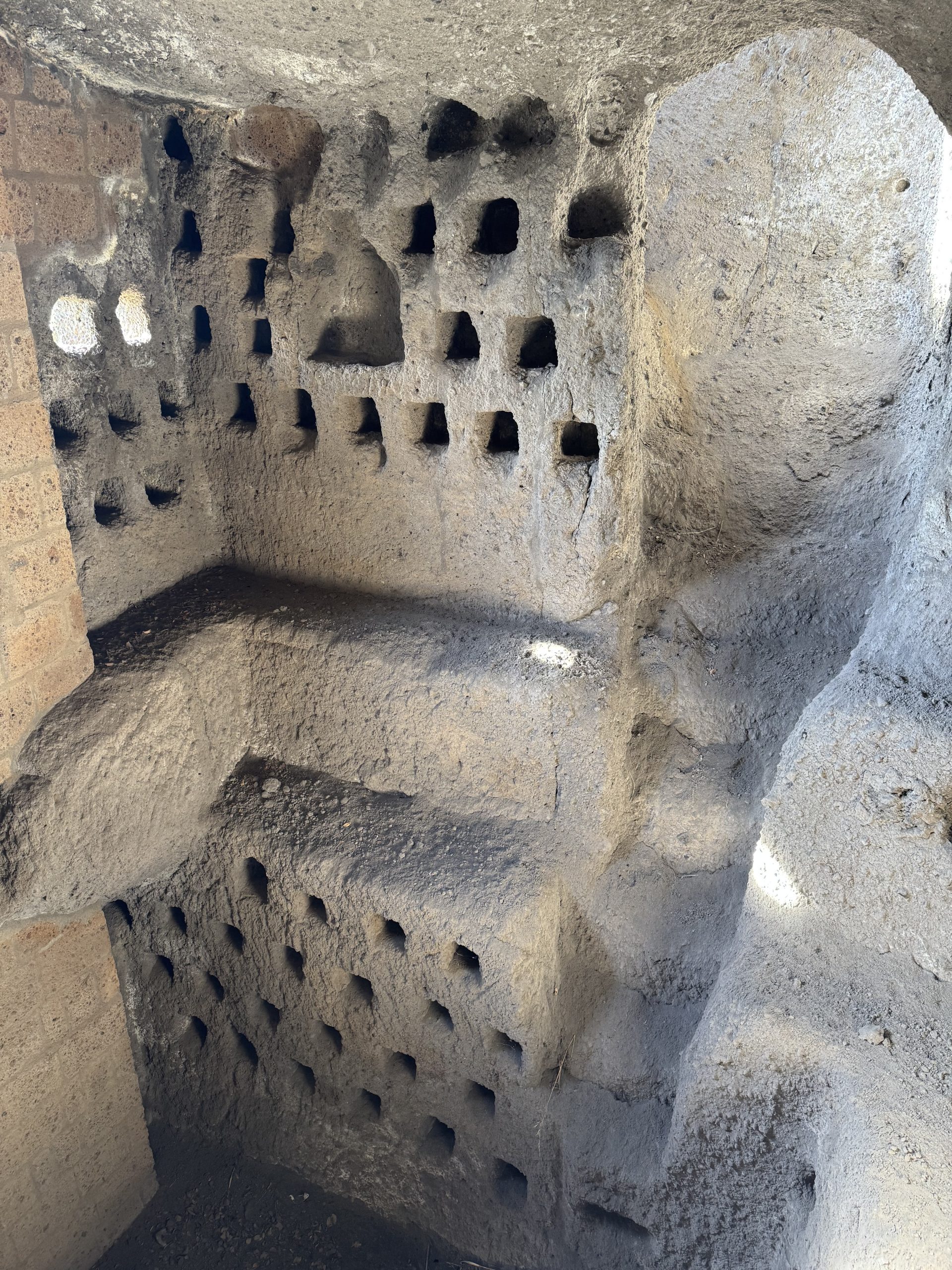
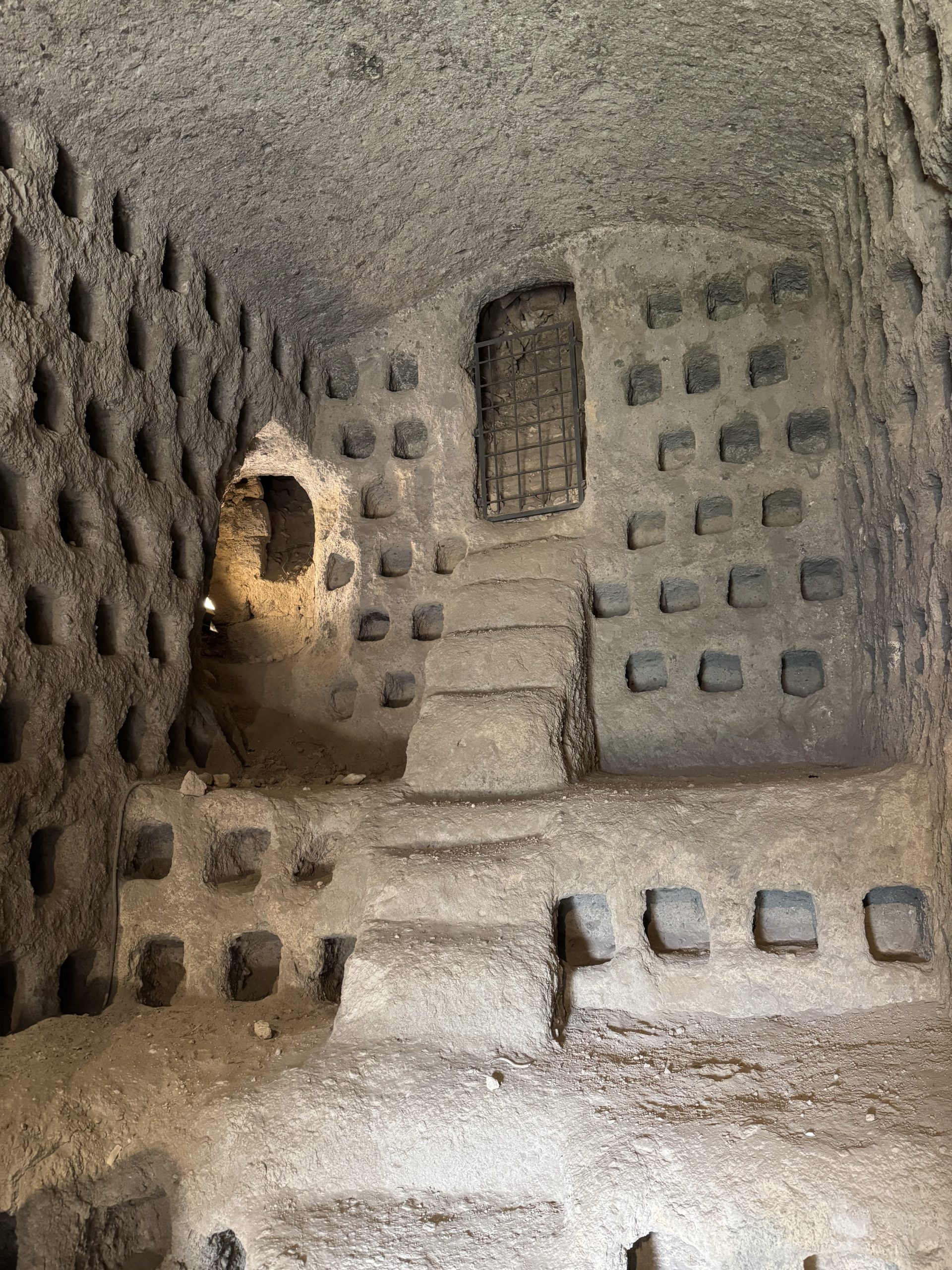
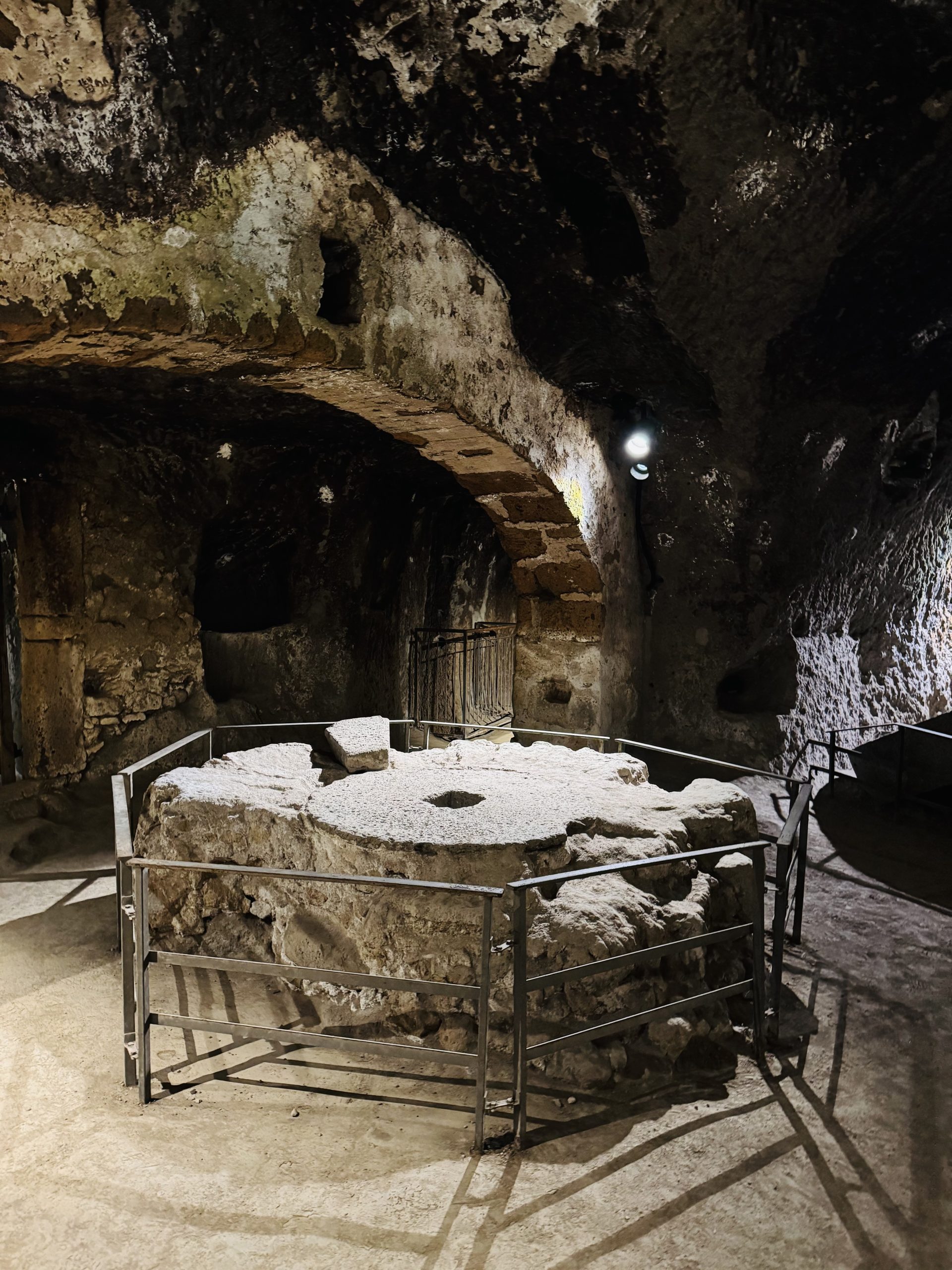
In the Middle Ages, it became an important and wealthy centre and then eventually part of the papal state. Under the city, you can see how the original Etruscan caves were repurposed, used for milling olive oil and creating pottery. We took a guided tour down into the caves in a small group, and learnt so much about the city in such a short visit. Incredible to see the wells and the pigeon houses from more than 2000 years ago, and discover a whole unseen world under your feet.
By the time we emerged from the caves, the mist had burnt off into a glorious sunny day. Perfect for a gentle afternoon in the city. We sat in the Duomo square and drank tea with a view of the cathedral, gold stars sparkling in the sunlight.
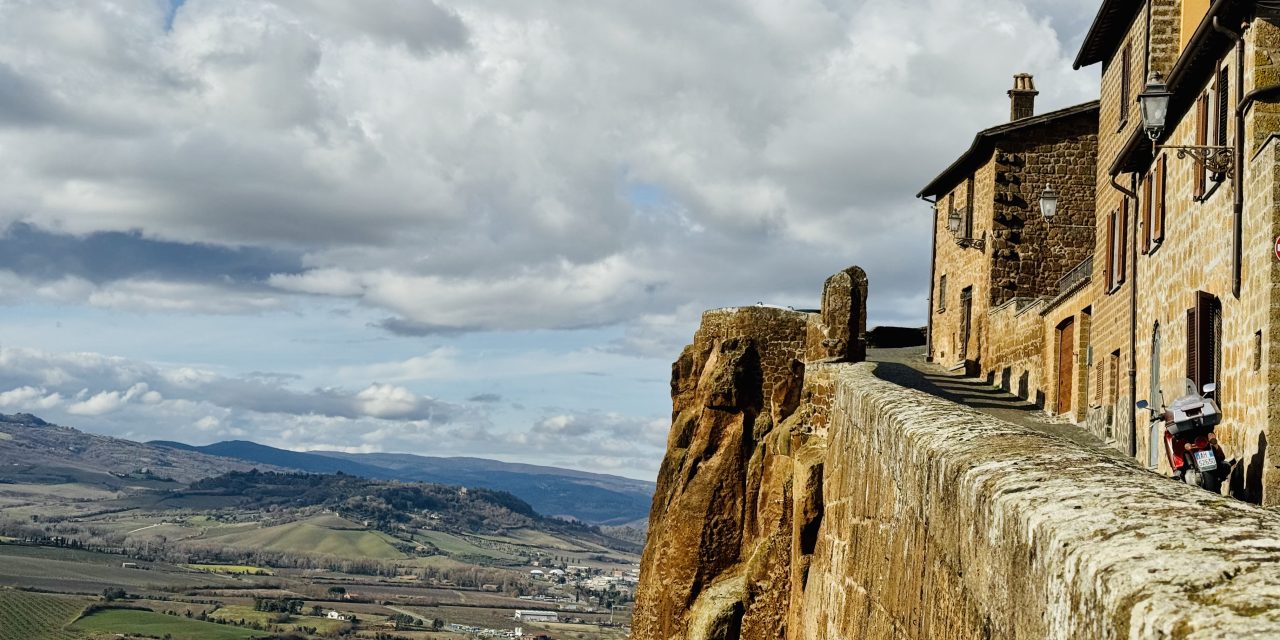
We took a slow amble around the outside of the city, big views across Umbrian hills, olive groves and vineyards. Real warmth in the sunlight, enough to lean on a wall and eat our gourmet lunch (supermarket sliced cheese and meat) outside. A friendly local cat was determined to share, trying at one stage to jump into the shopping bag holding our lunch. It was a gentle, moochy kind of afternoon and all the better for it. No sense of hurry in the walk, time for a gelato on route and a slow walk through the lovely streets. How far we’ve come from our carefully managed walks in -20°C, sliding on icy paths and trying to avoid frostbite.
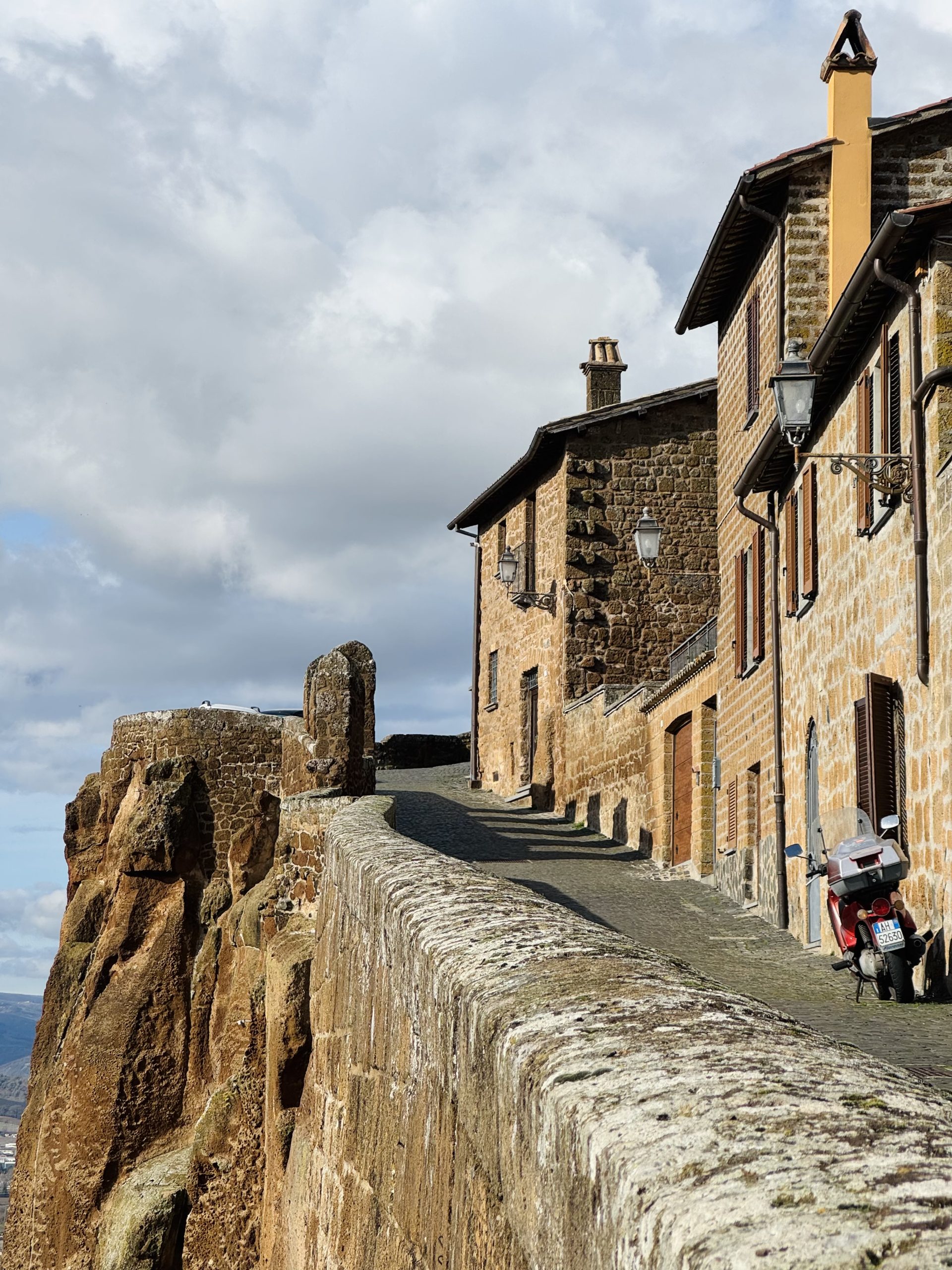
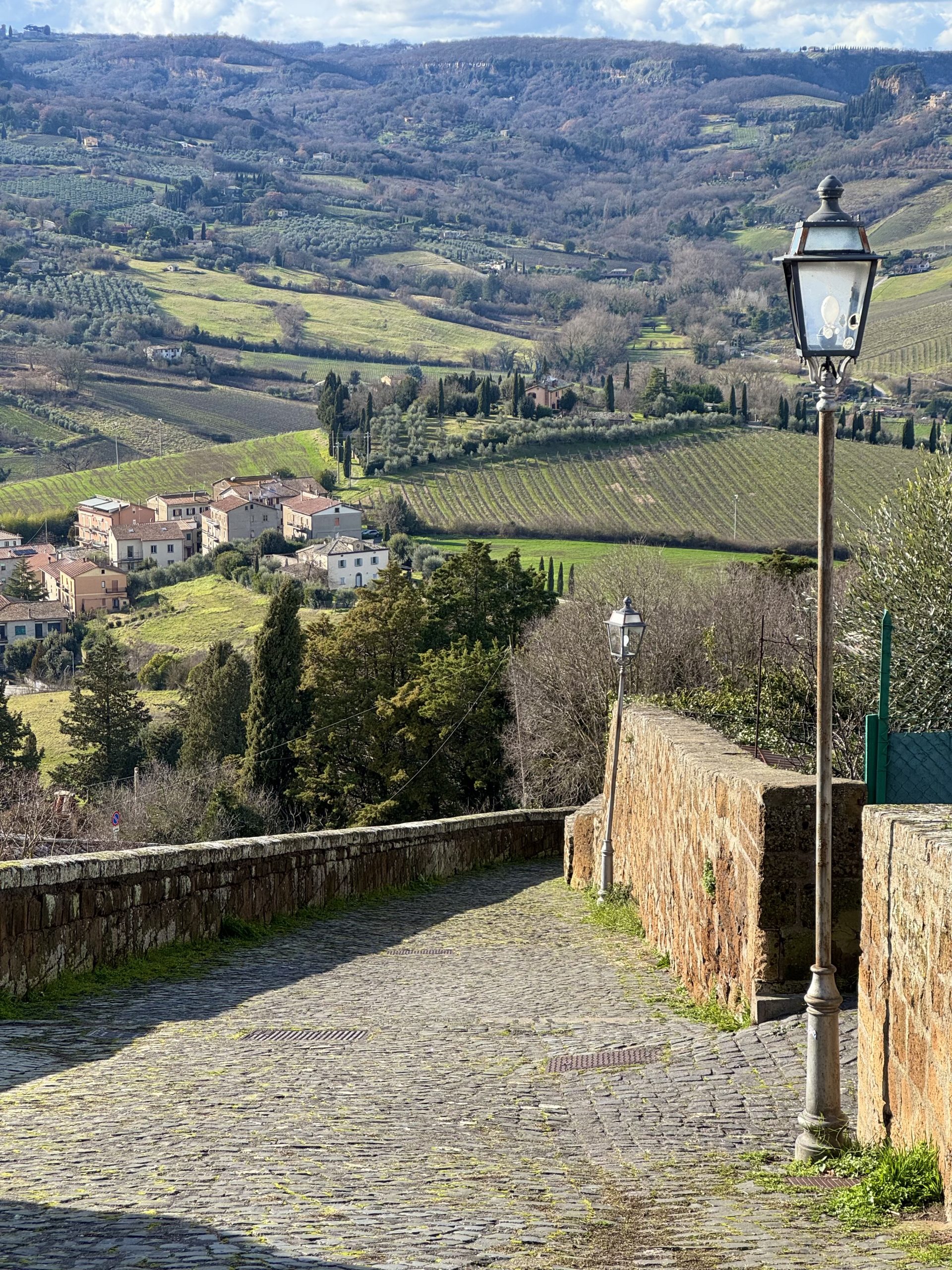
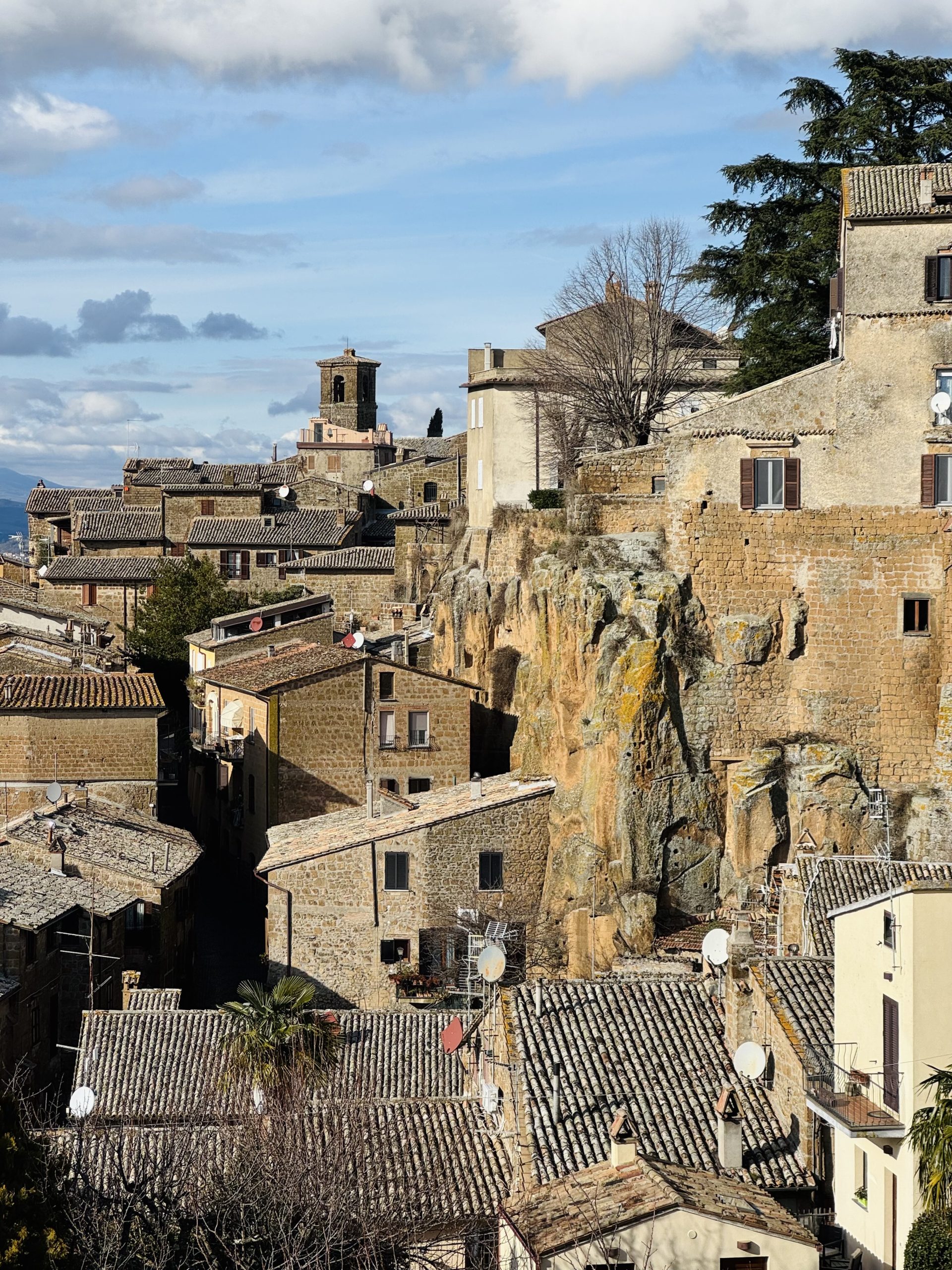
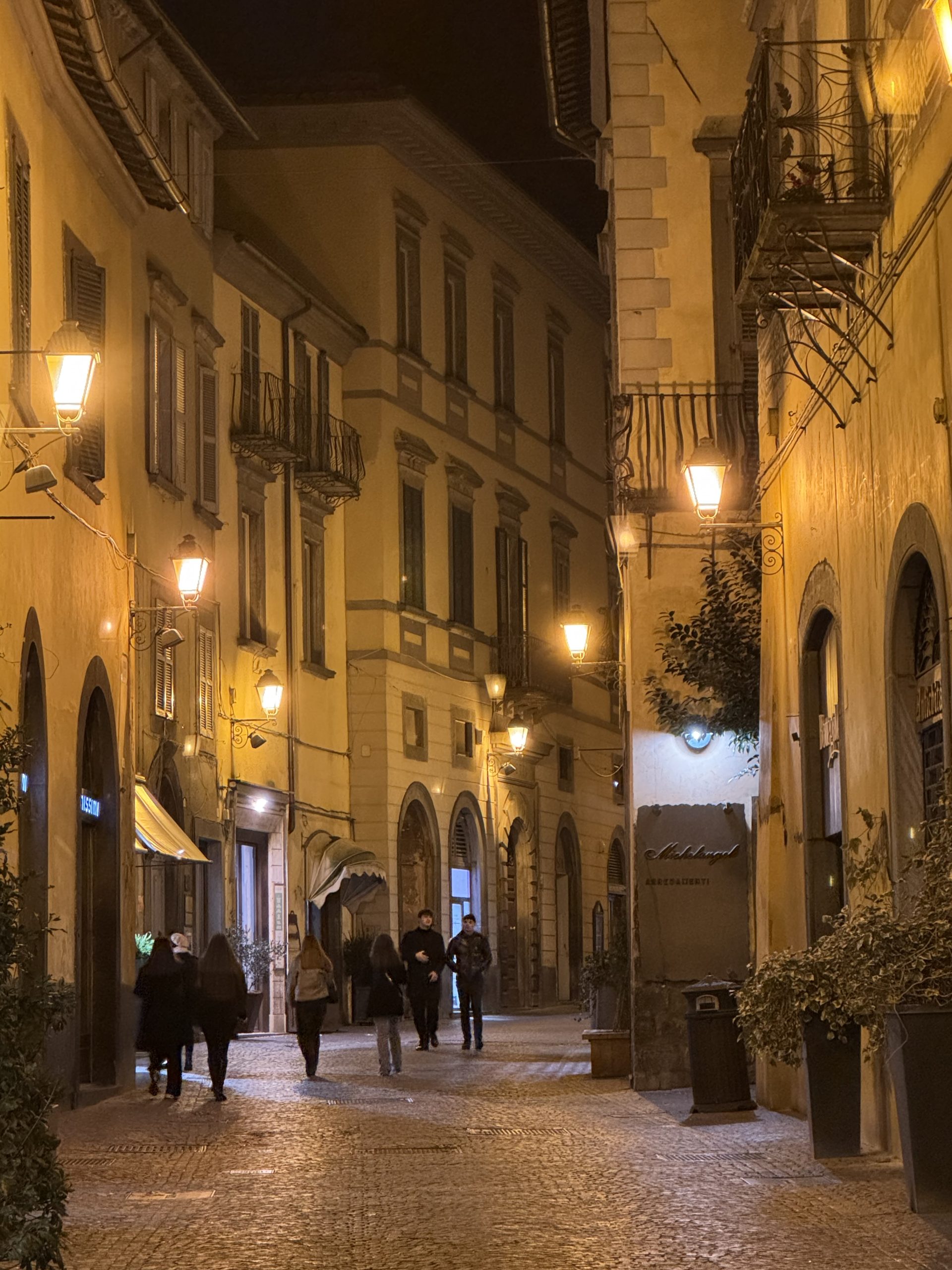
When we headed out for the evening, Orvieto was definitely out for its passeggiata – family groups and couples strolling the streets, people sitting in pavement bars under heaters enjoying a glass of wine. Gently buzzing.
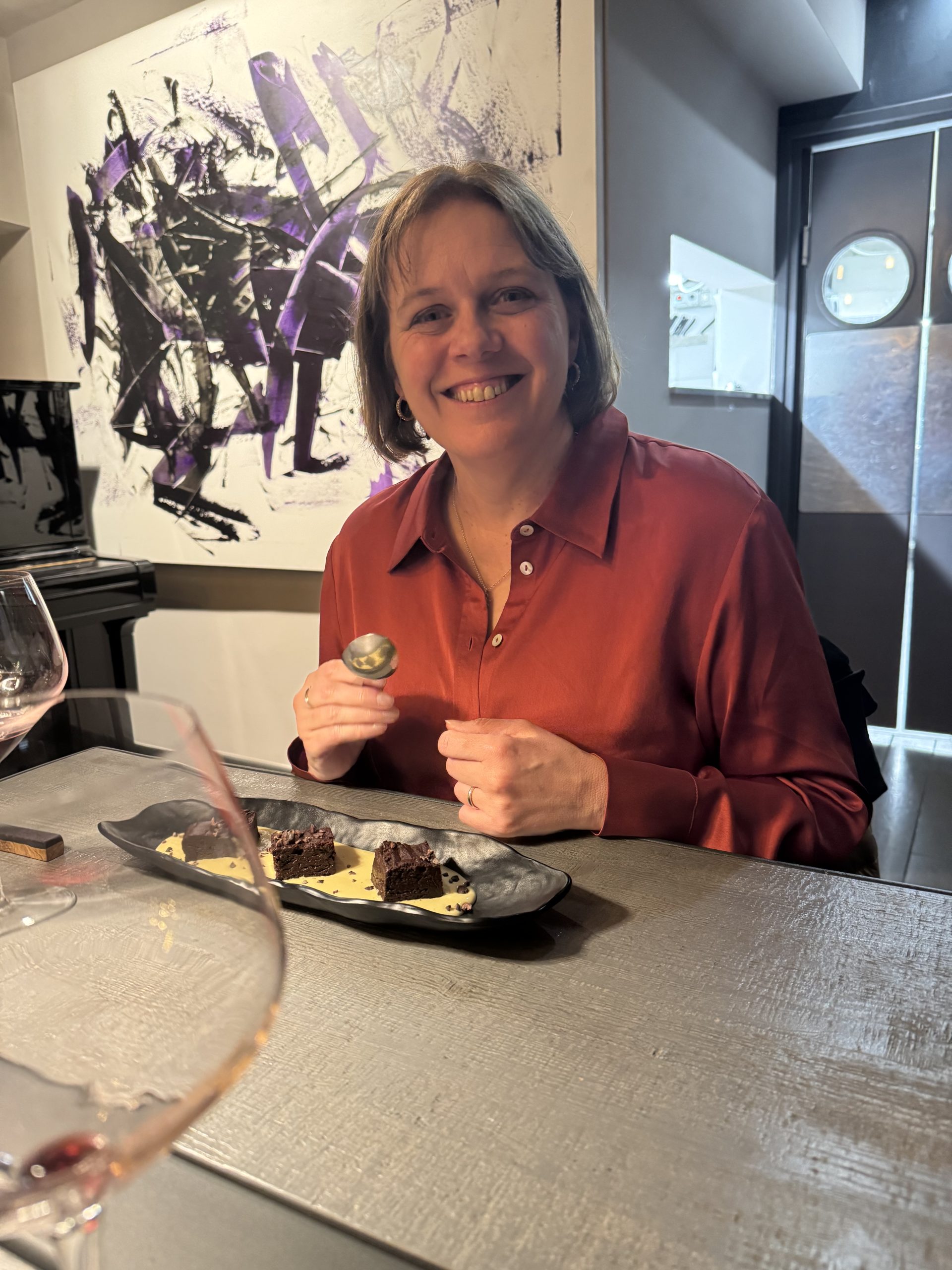
Our lovely day was capped off with a really great meal out. This part of Italy really does brilliantly with GF food, and tonight’s meal was so good. As someone who perpetually hates being ‘the awkward one’ at restaurants, there’s a huge joy and relief when a restaurant understands and makes it easy. The flourless chocolate cake was particularly fantastic. The post-dinner espresso, as it turns out, definitely a mistake in terms of restful sleep!
Another ‘up and out morning’ for a long day of travel heading south. Orvieto was definitely still asleep at 7 on a Sunday morning when we headed out into the still streets. A sunny morning, a delicate pink sunrise sitting behind the cathedral.
We’d built in enough time to get a morning coffee back at Caffè Montanucci, open surprisingly early on a Sunday. We walked in, were greeted as friends and offered due cappuccini e un cornetto – despite a busy Saturday, they’d remembered yesterday’s order. We sat in their peaceful early morning cafe and enjoyed a last moment of lovely Orvieto.
Beautiful, historic, fascinating and above all warm and welcoming. A sense of peace over the streets on a January weekend, mellow light and mellow atmosphere. Orvieto is lovely and firmly on my ‘must come back’ list.