Latitude: 56.9° north
Weather: -14, 🌤️ Sunrise: 08:55 Sunset: 16:10
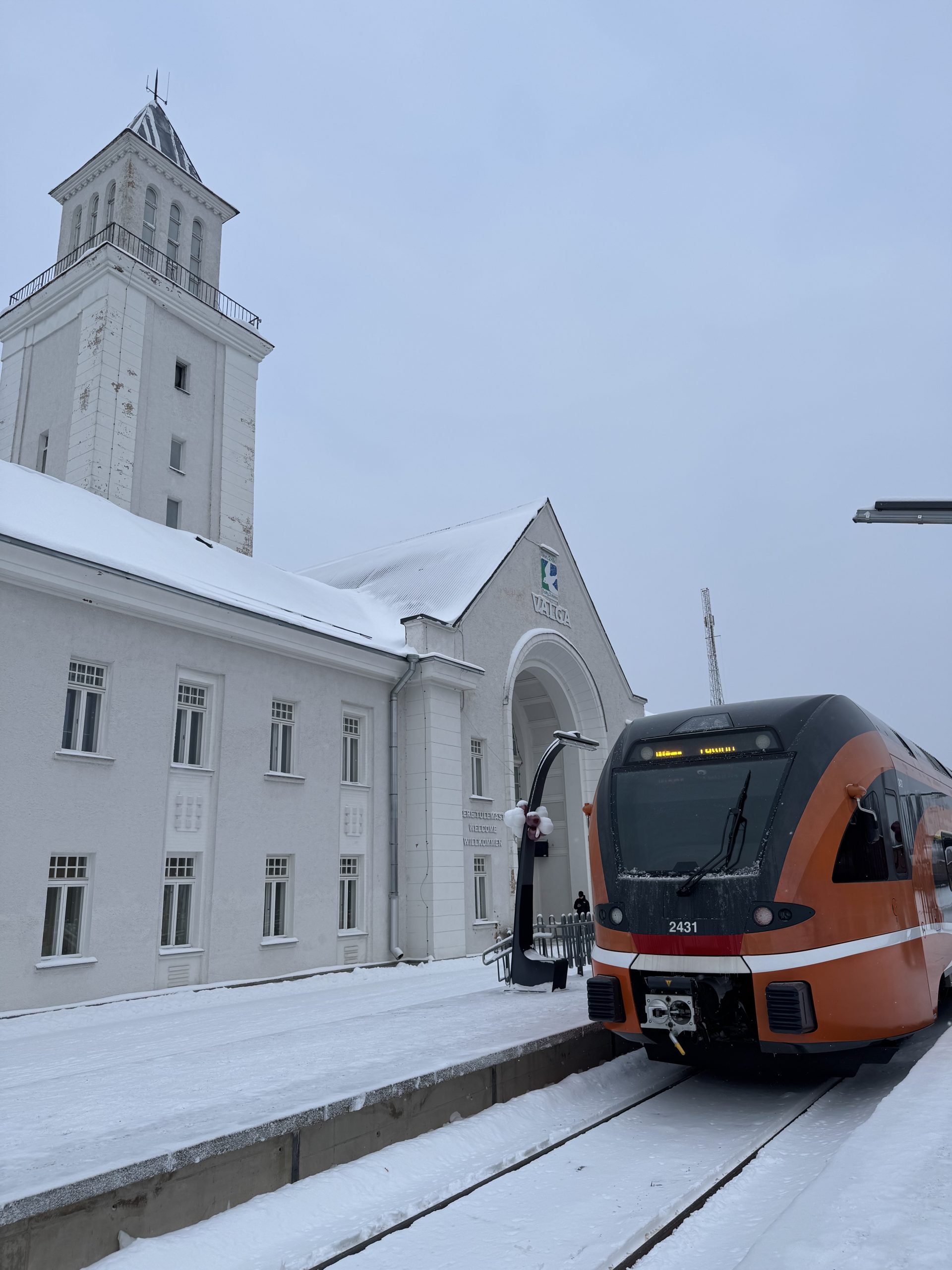
I’d hoped for at least a little ceremony when we entered my first new country of the trip. Instead, not so much as a fence or a marker in the snowy fields as we entered Latvia, after changing trains at the slight bleak station of Valga, a city split between two countries right on the border. I was disappointed not to have time to visit the Valga swing, which sits right on the border and allows you to swing between Estonia and Latvia. With one train a day, probably not worth a 24 hour stopover…
If Tartu was hard to leave, Riga was hard to arrive into. A big, busy station. Rush hour people. Four-lane roads, complex underpasses. And everything coated in a horrendously slippery layer of deep slush.
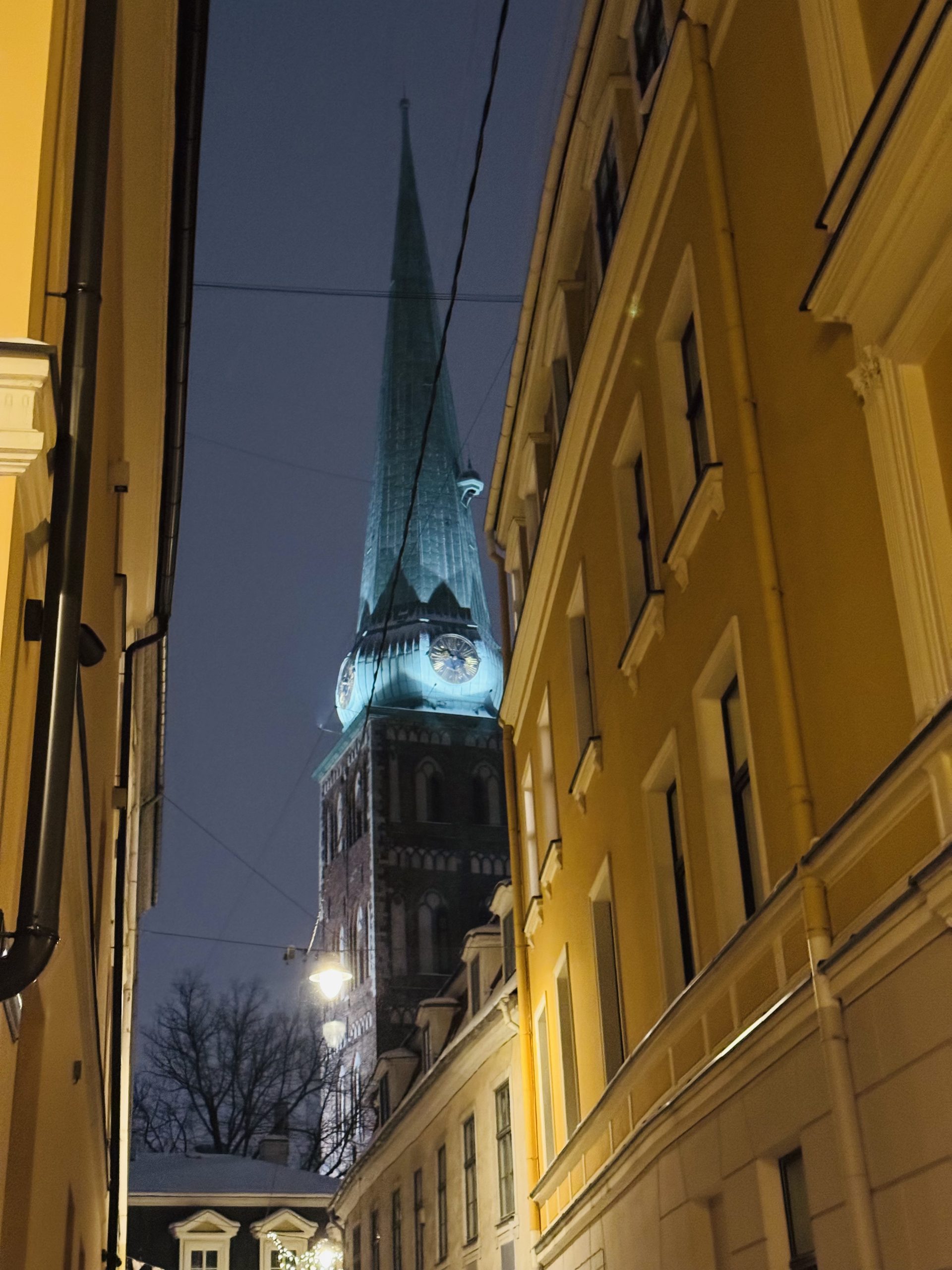
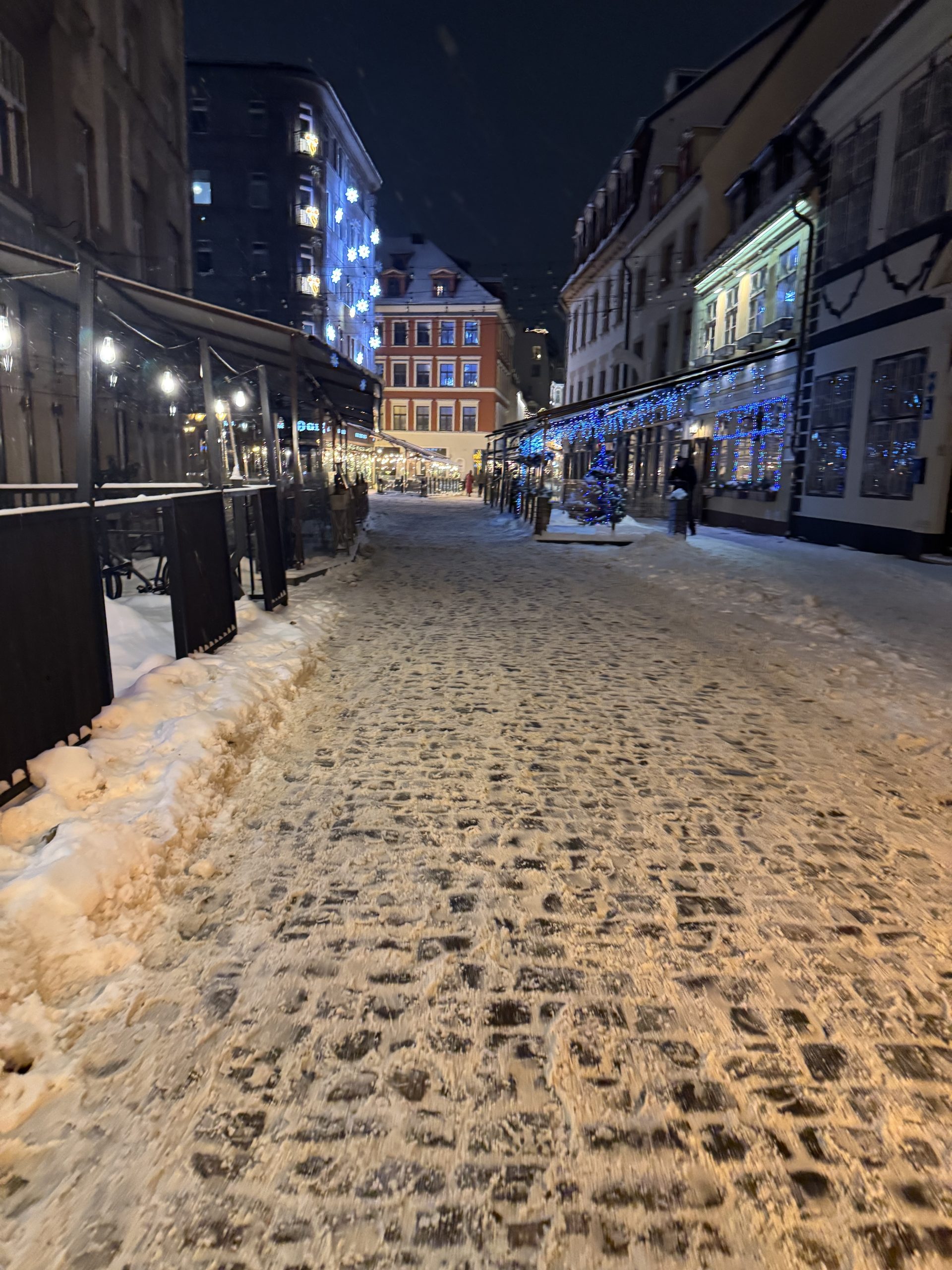
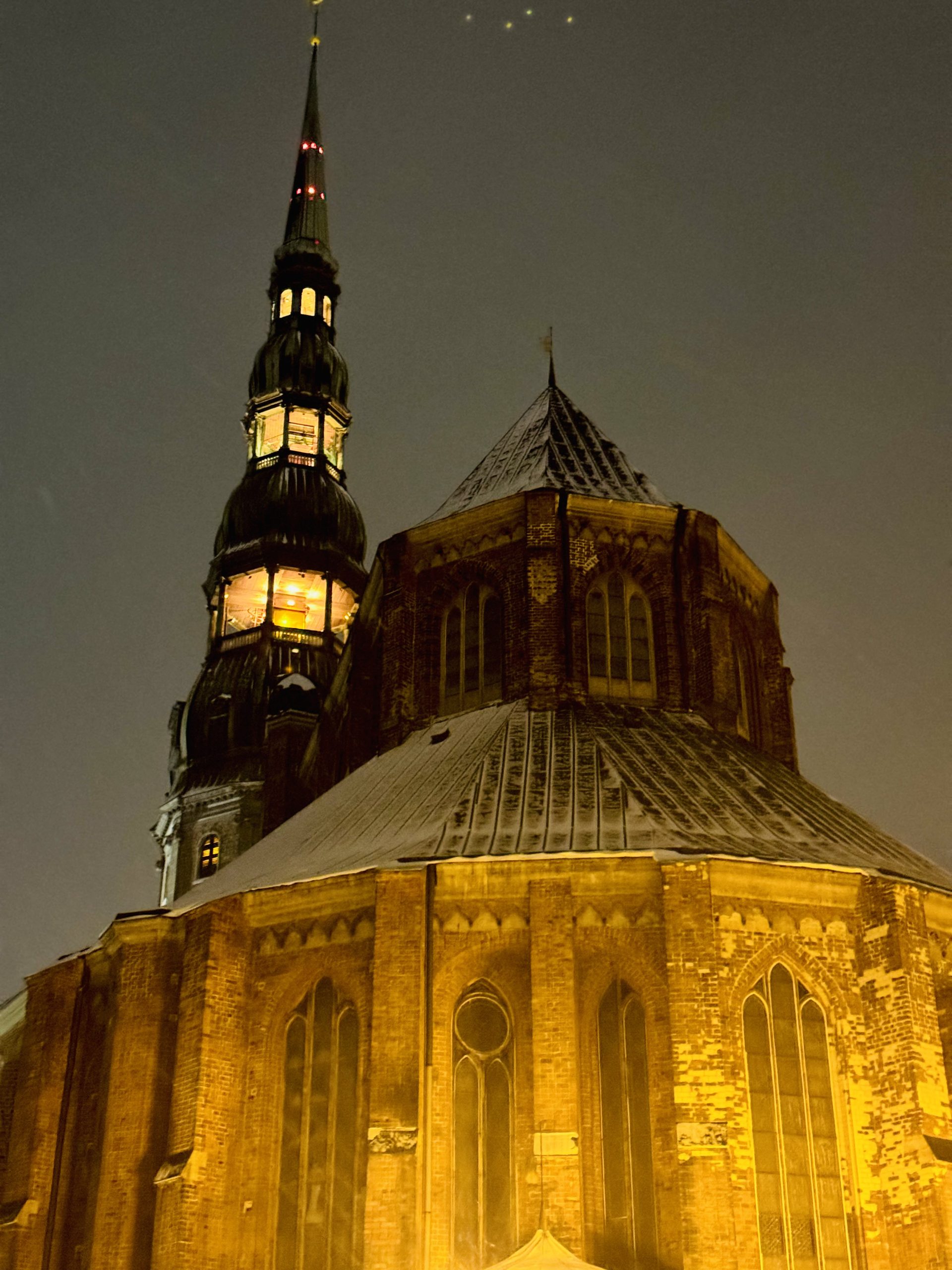
Our walk to our hotel took us into the old town. In the dark, it’s hard to form an early impression of a city. Cobbles, slush, narrow streets, tall buildings. Brash, bright bars and restaurants, music pumping into the streets, lights and neon signs at odds with the old, elegant buildings. Glimpses of church spires and courtyards. I arrived at the hotel with really no idea what to make of the city so far.
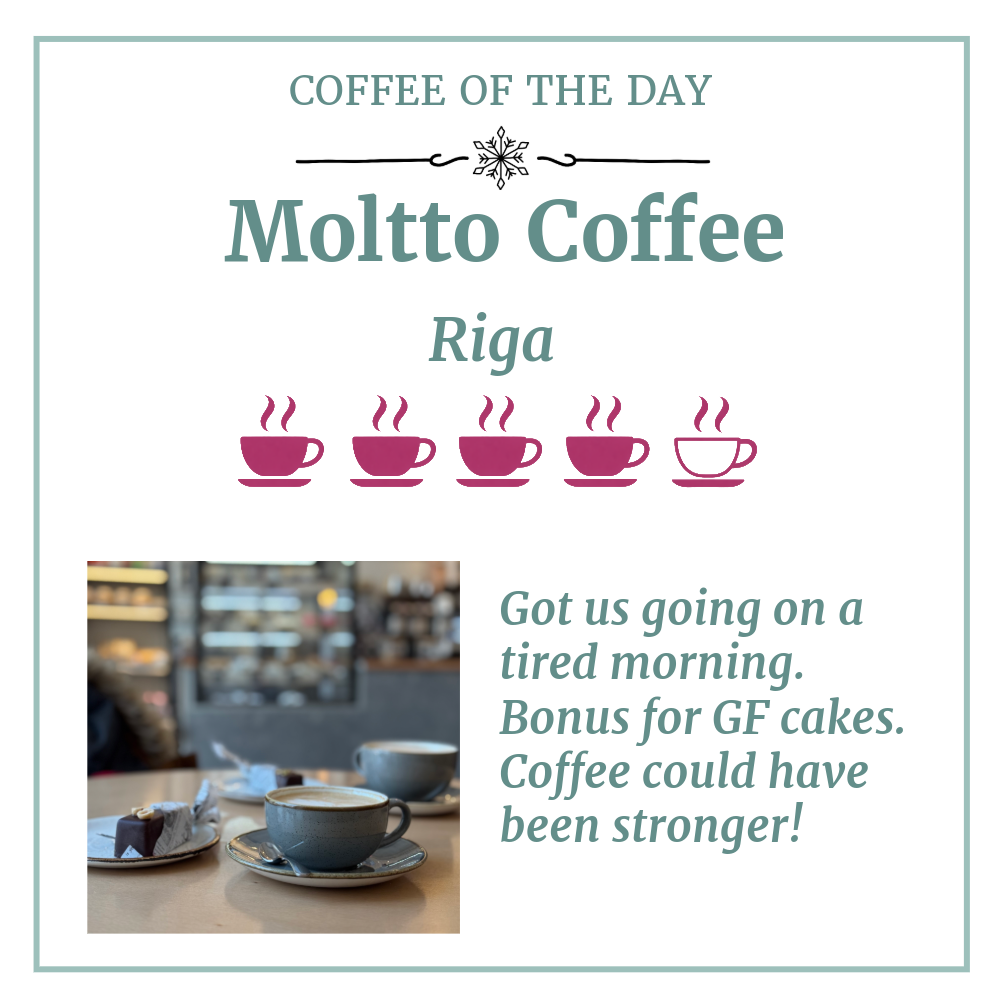
Our plan in Riga had been for a bit of indulgence. A nice hotel, booked free on accumulated points. A lazy evening ‘off’ with room service and TV in jimjams. Atone for some of the cake eating in the morning with a gym session, and then sally forth, restored, into the city.
Not quite. The hotel – lovely. The kitchen – closed. Room service – definitely off. Since Riga probably wasn’t ready for me in my jimjams, we gave up on that idea and headed out fully clothed in search of food. Riga rewarded us with a lovely cosy restaurant, great food, and the opportunity to try sea buckthorn ice cream (sharp, but good). Riga 1, jimjams 0.
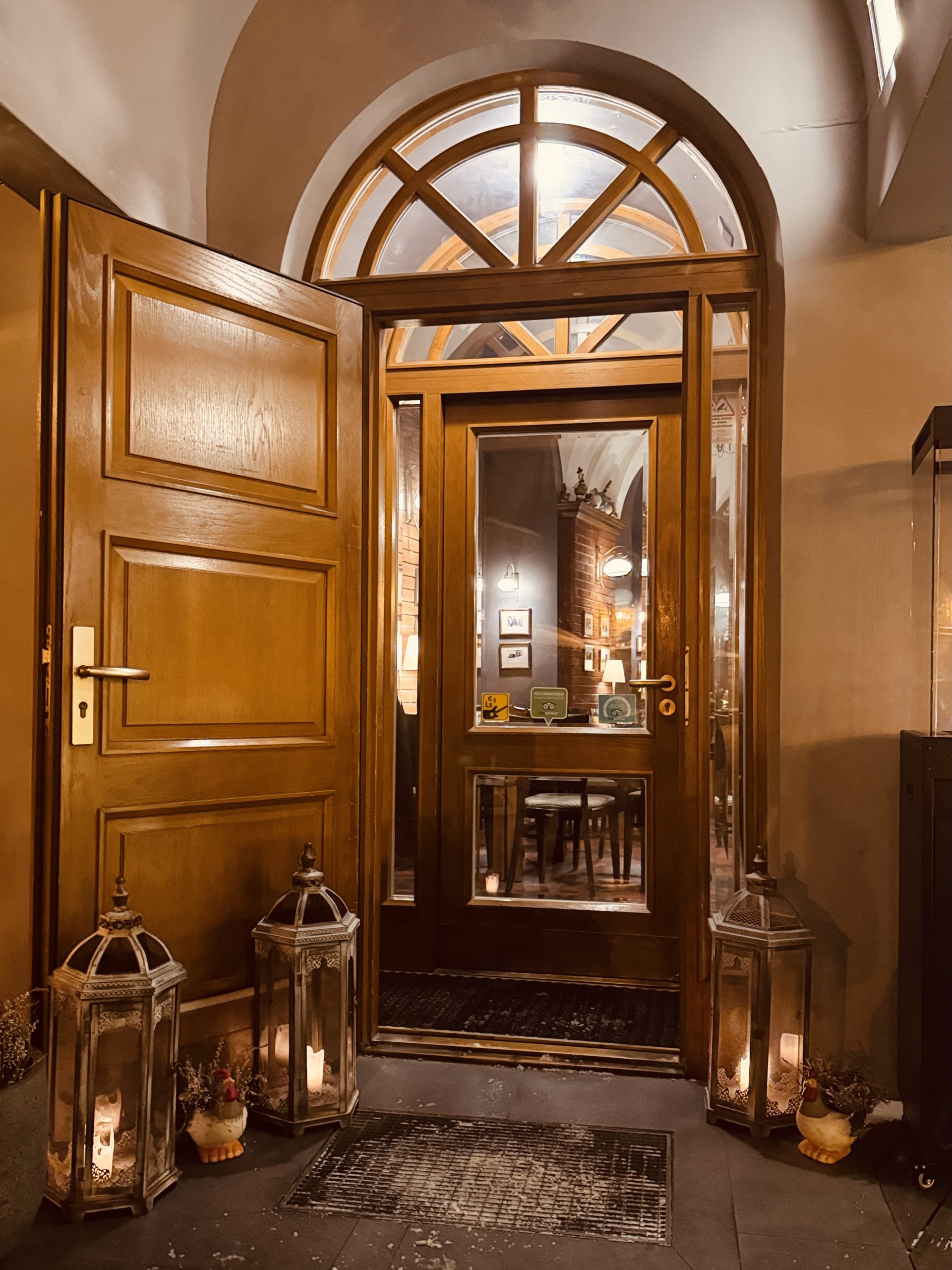
Sadly, the gym was also ‘not currently working’ so we were forced into a leisurely breakfast instead. Hard times. We were both suffering from travel fatigue this morning, finding it hard to get going. Carrying an 11kg rucksack for 2 miles yesterday may have had something to do with that.
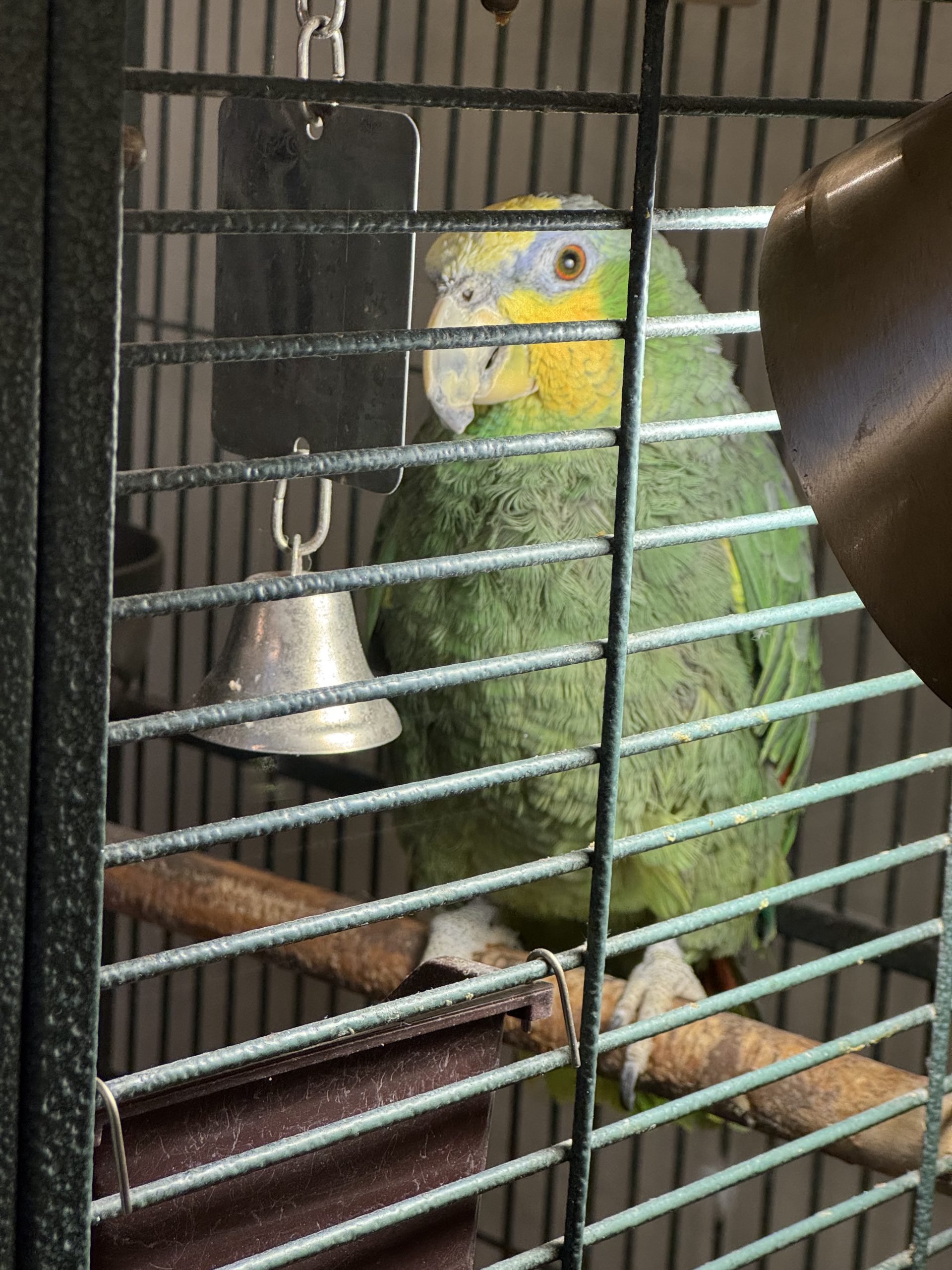
Fun fact: the Grand Palace may have neither working kitchen nor functioning gym, but it does have a resident parrot called Misha who lives in the breakfast room. Welcome to Latvia …
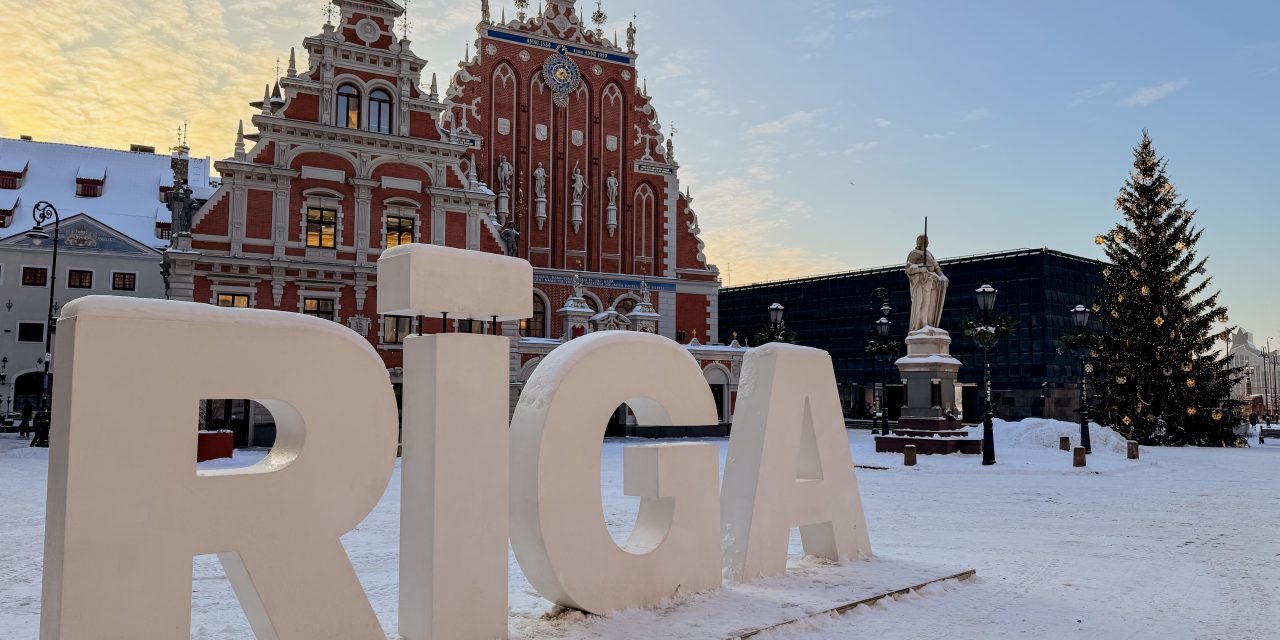
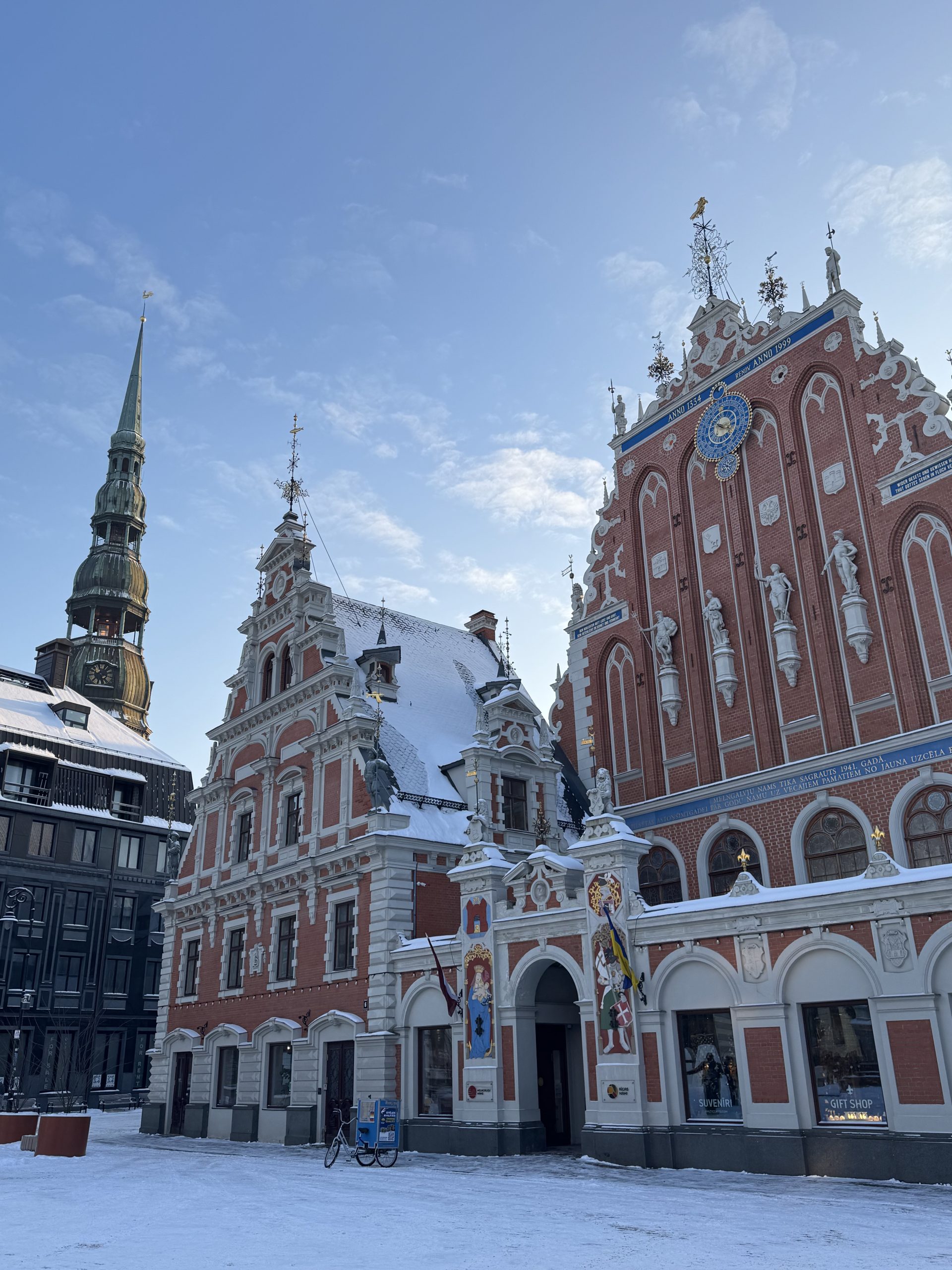
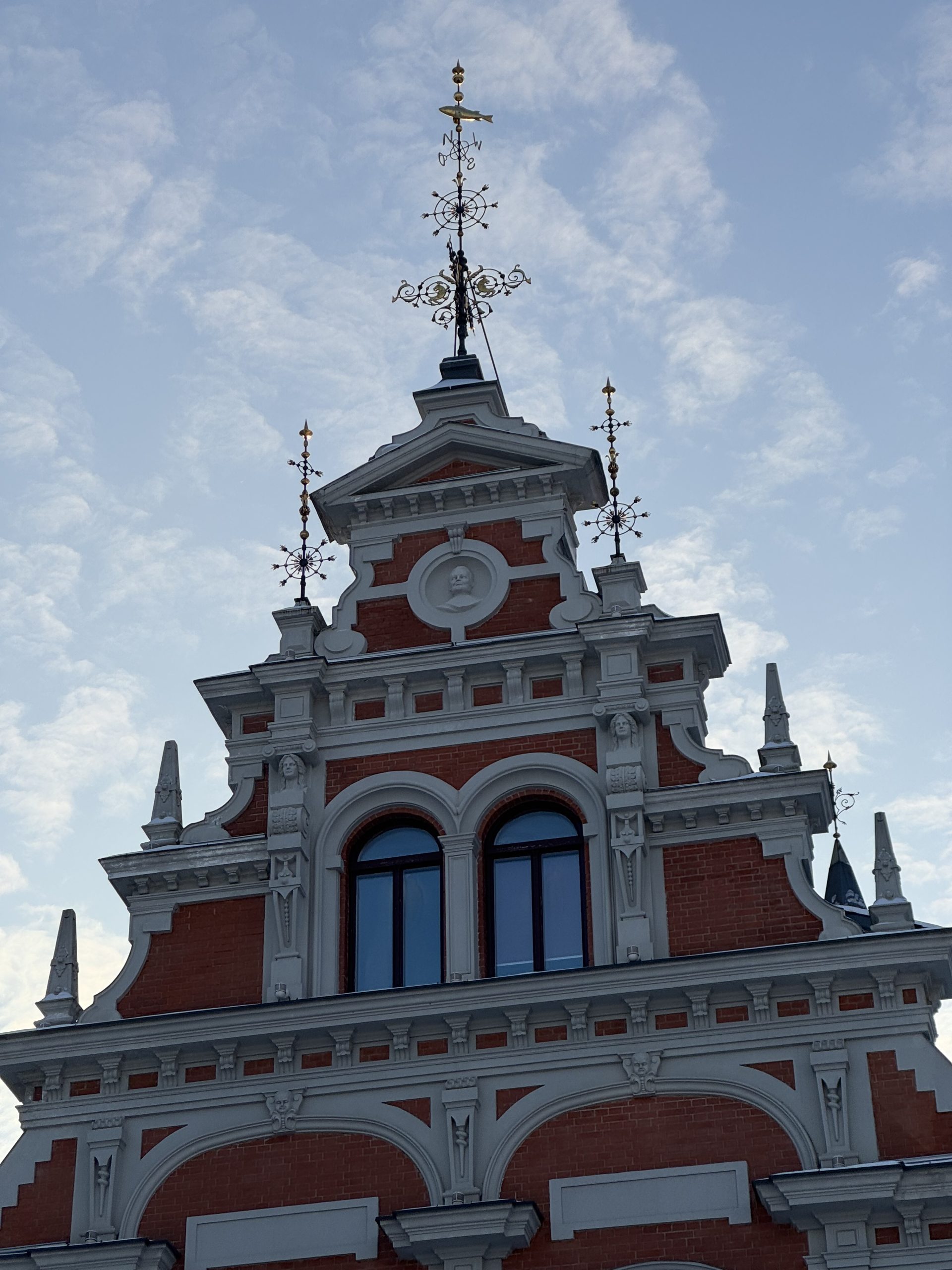
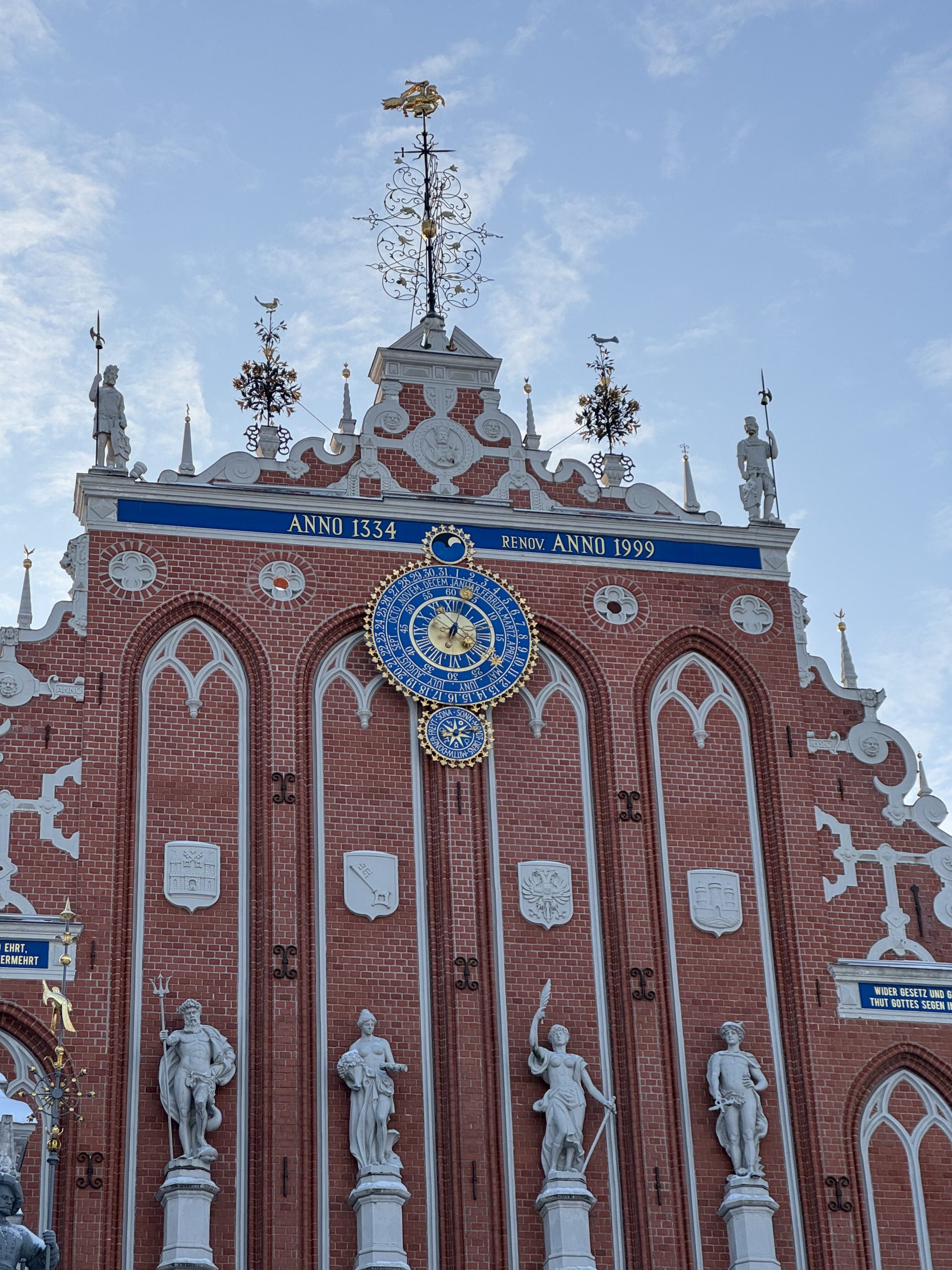
When we finally got ourselves going, we found a world of bright, super-cold sunshine, glinting off the crosses on top of the many church spires. The old town weaves and winds, all cobbles and a mishmash of colours and styles. Not chocolate box like Tallinn, but real, interesting and something new at every turn. We found some pretty squares, marvelled at the House of Black Heads and its delicate roof decorations and then decided to head for the library.
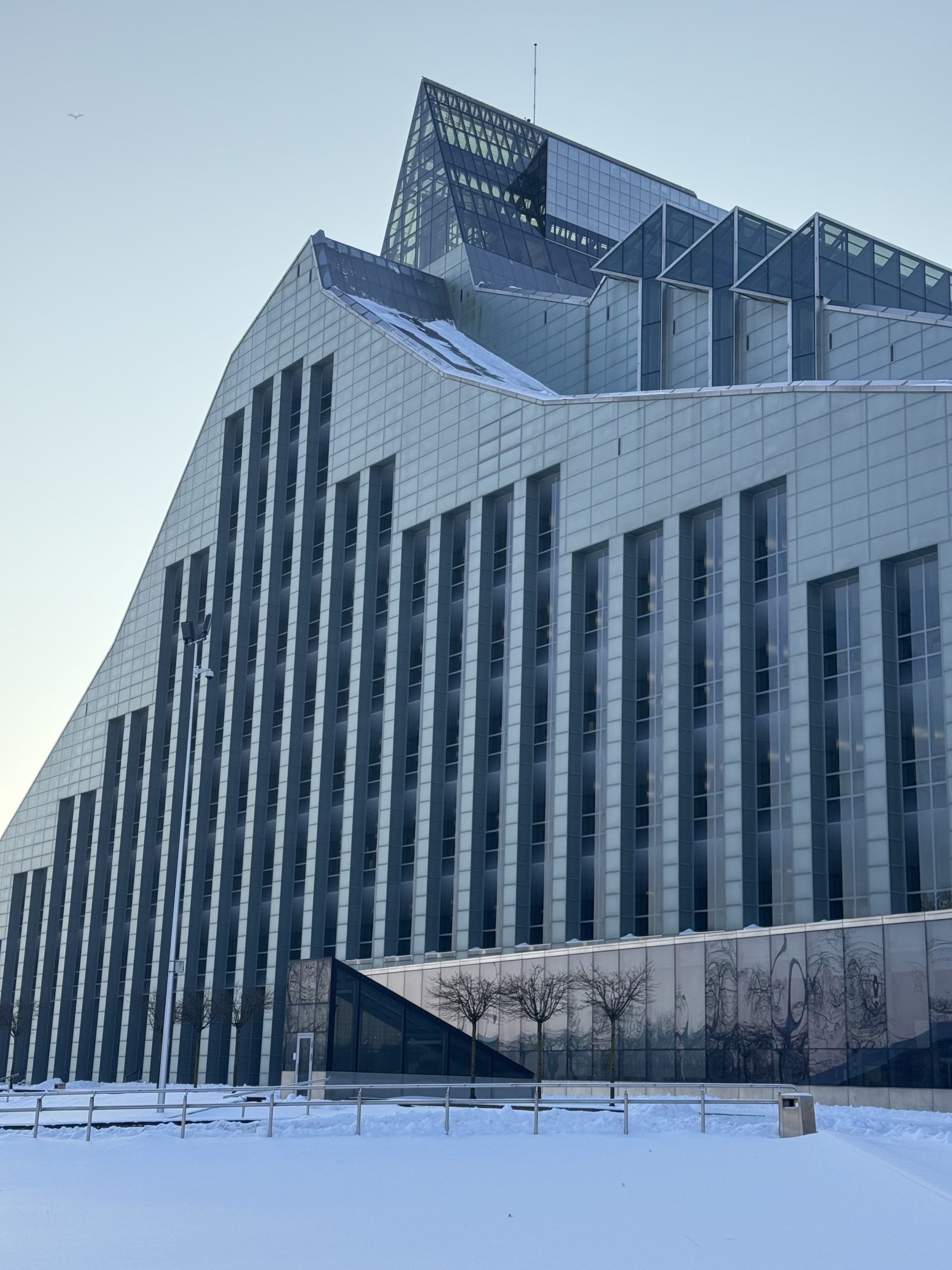
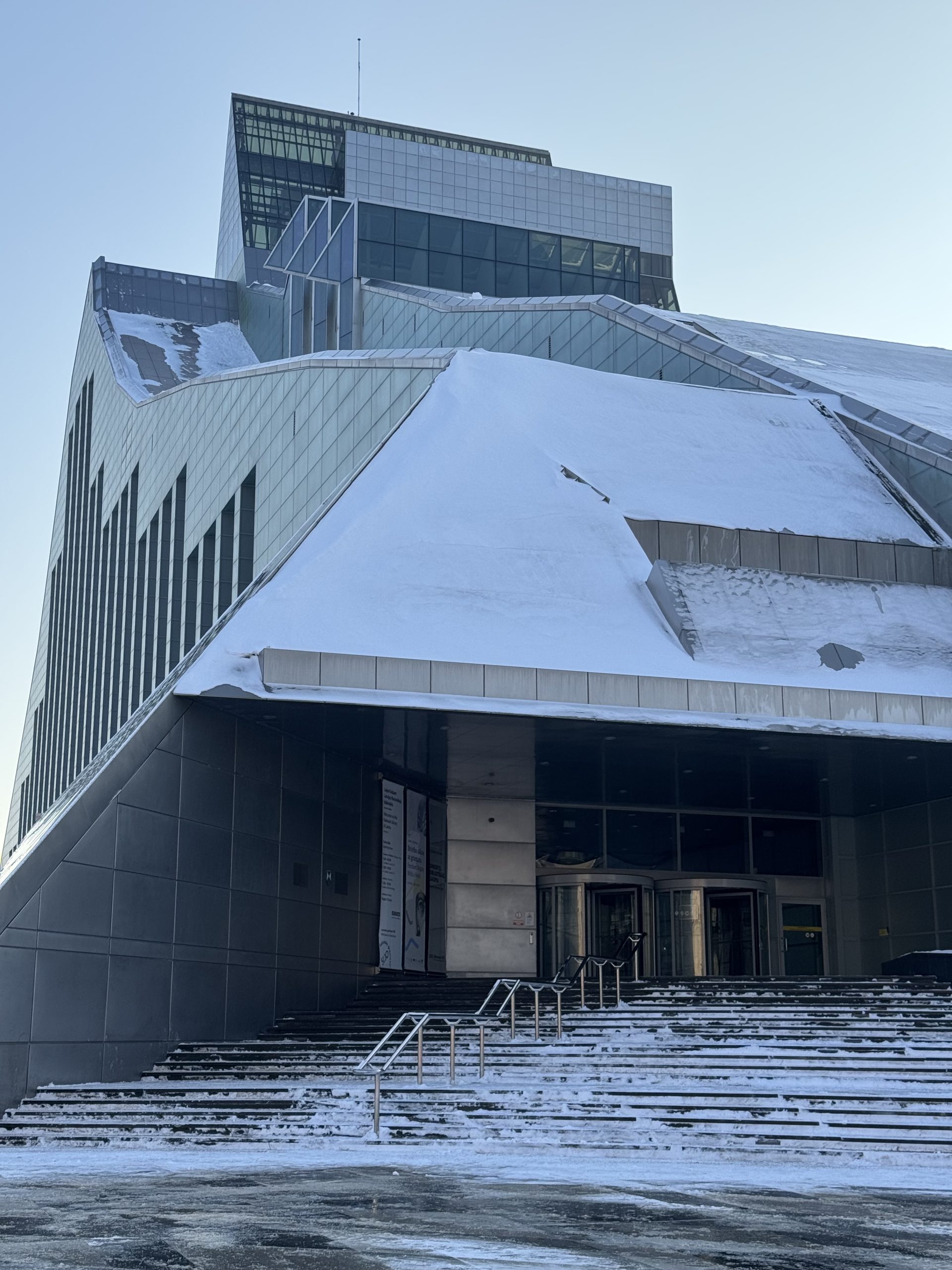
I love a good city library; the best tell you so much about the city they are in. We’d originally planned just to walk up onto the bridge to take a look from a distance and snap a few pictures of the incredible building. Designed in 1989, it’s built to resemble a mountain, and symbolised the cultural rebirth of Latvia after occupation.
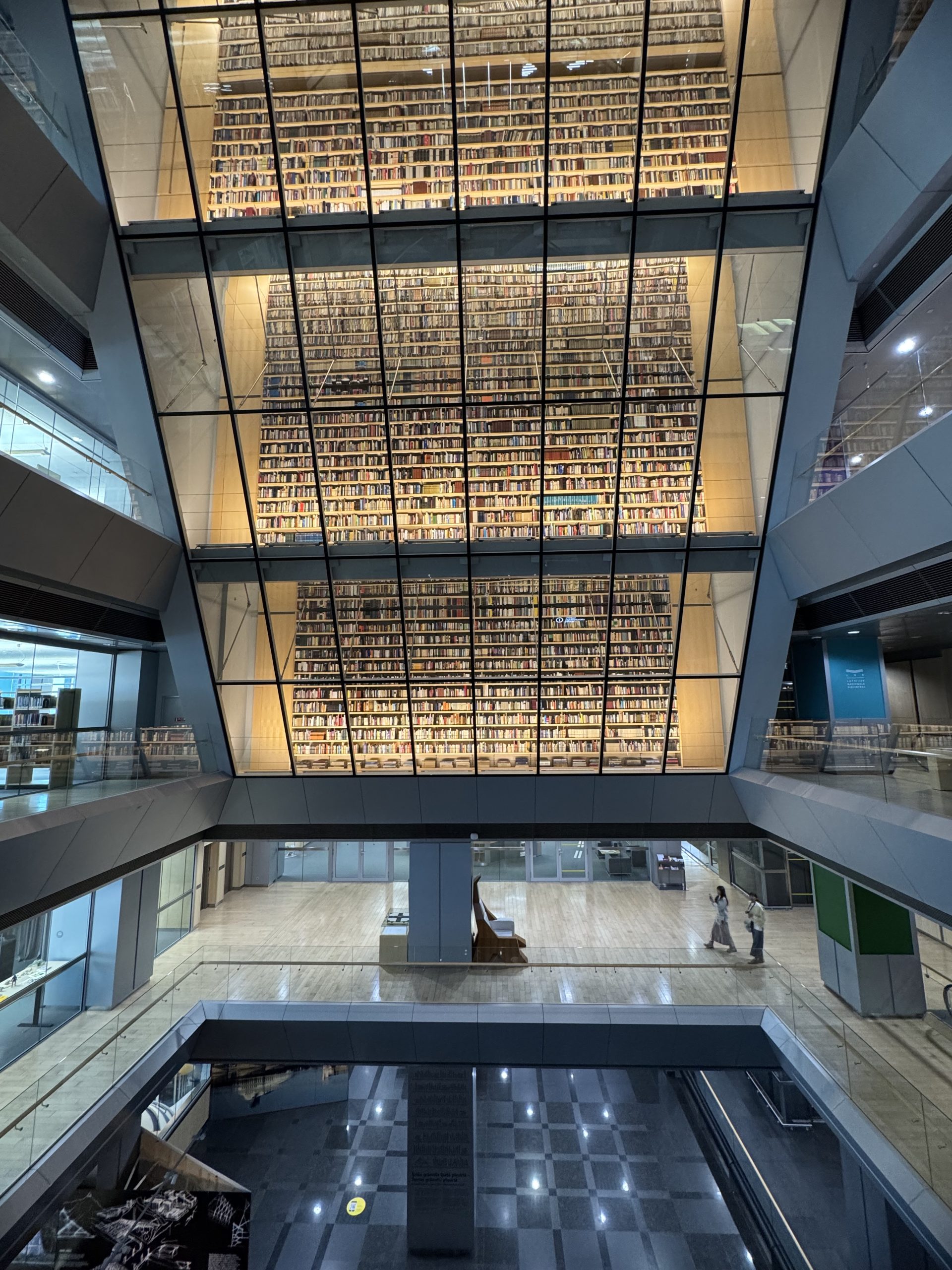
We crossed the vast, frozen, white river Daugava (by my reckoning on the map, it’s 500m wide and was totally covered in snow) and as we got closer to the library, decided to pop in for a look. Honestly – what a place. If you ever find yourself in Riga, it’s an absolute must. A huge, pyramid-shaped atrium, full of light and glass. Calm, hushed – but warm and welcoming to visitors, with an app to guide you around.
Visitor passes issued, we took the lift to the 11th floor, where you can enjoy the most amazing views of the city, set against the angular steel design of the roof apex. Laid out below us, views across the river to the old town, to the arched railway bridge and beyond to the giant ‘Stalin birthday cake’, a throwback to Soviet times. Water all around, islands in the river, an old train yard with two steam engines, a big wheel. Tall spires and modern glass buildings. An ancient centre and large traffic-filled roads. The city defies easy description and is wrapped in contradictions and personality.
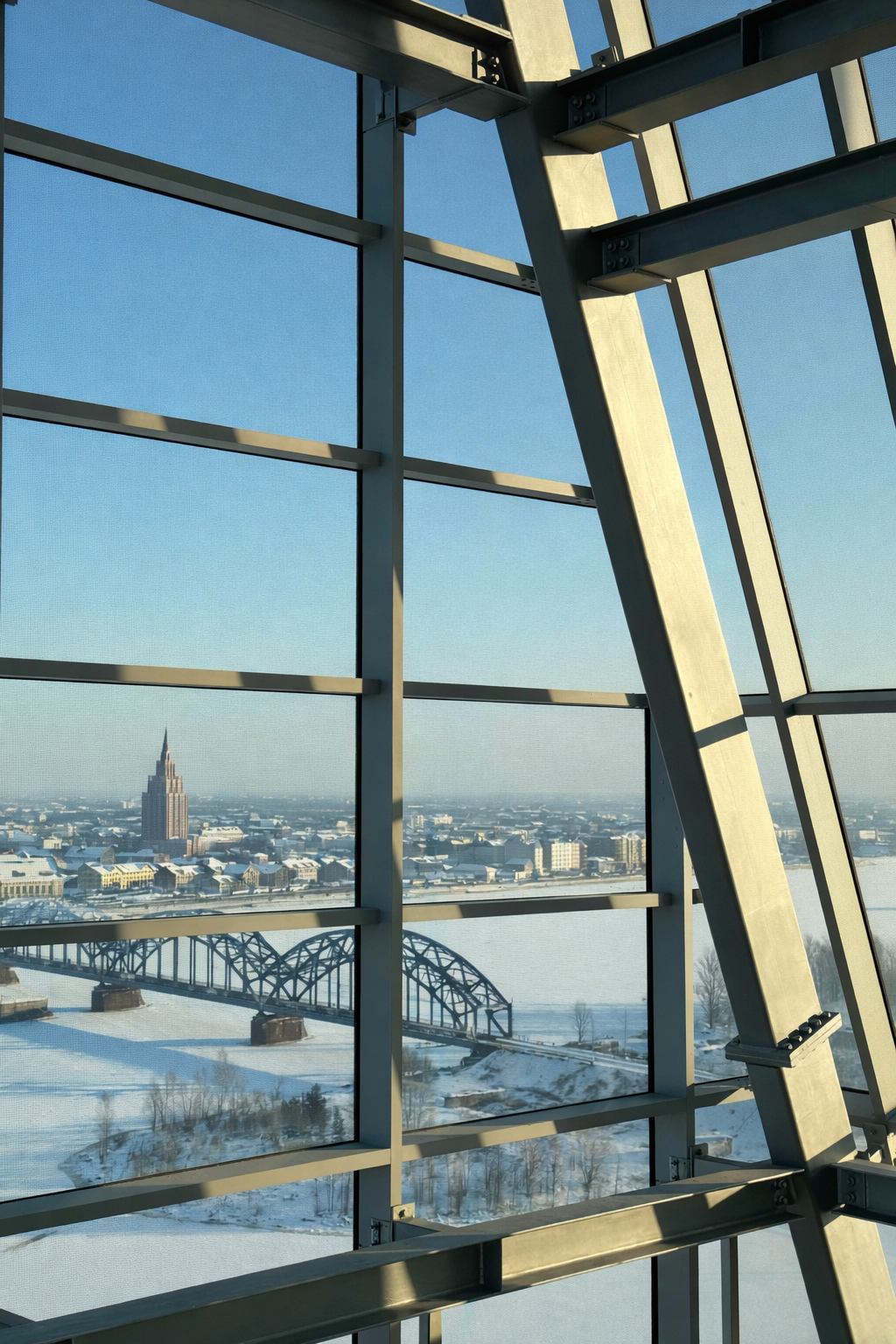
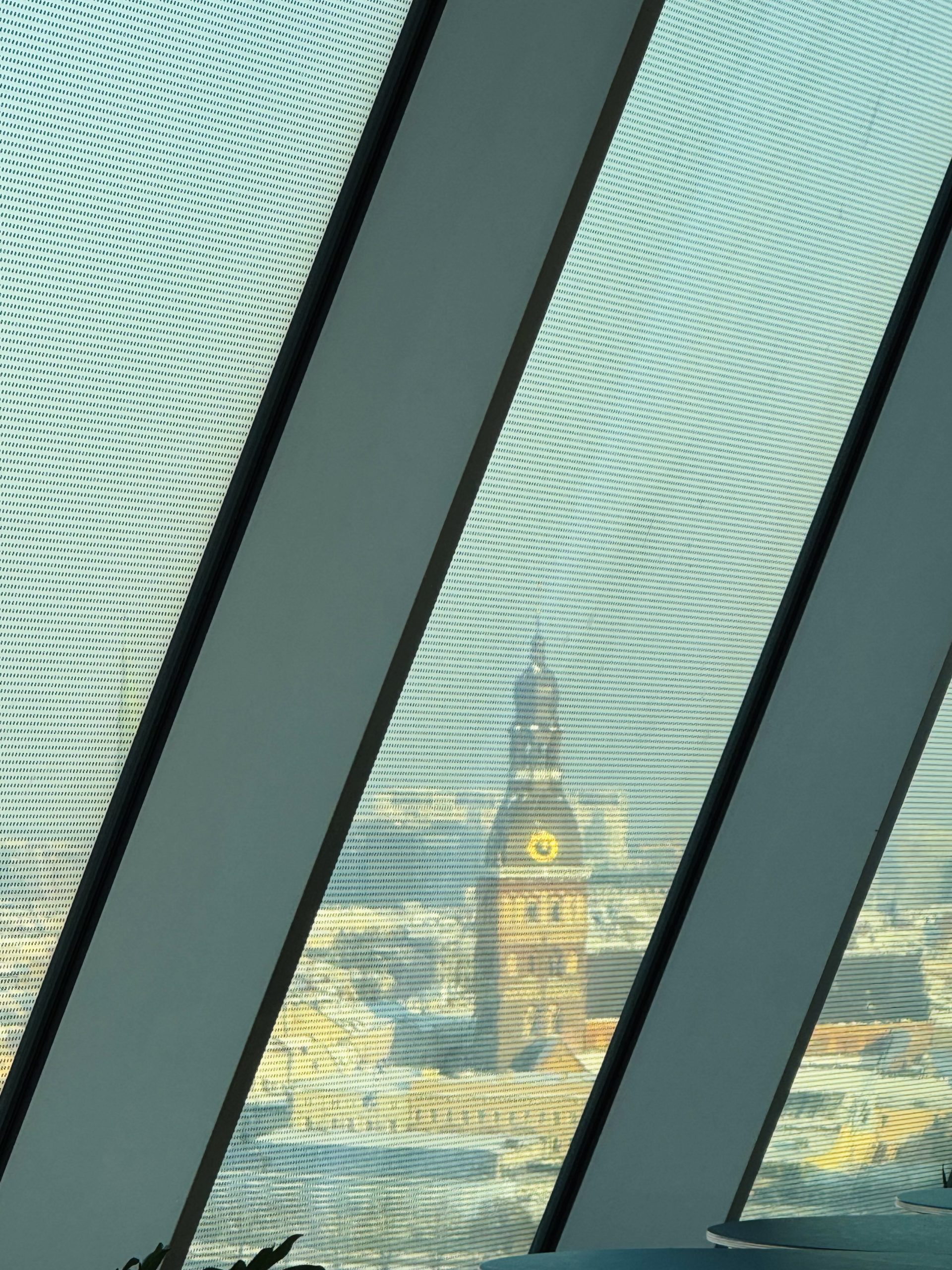
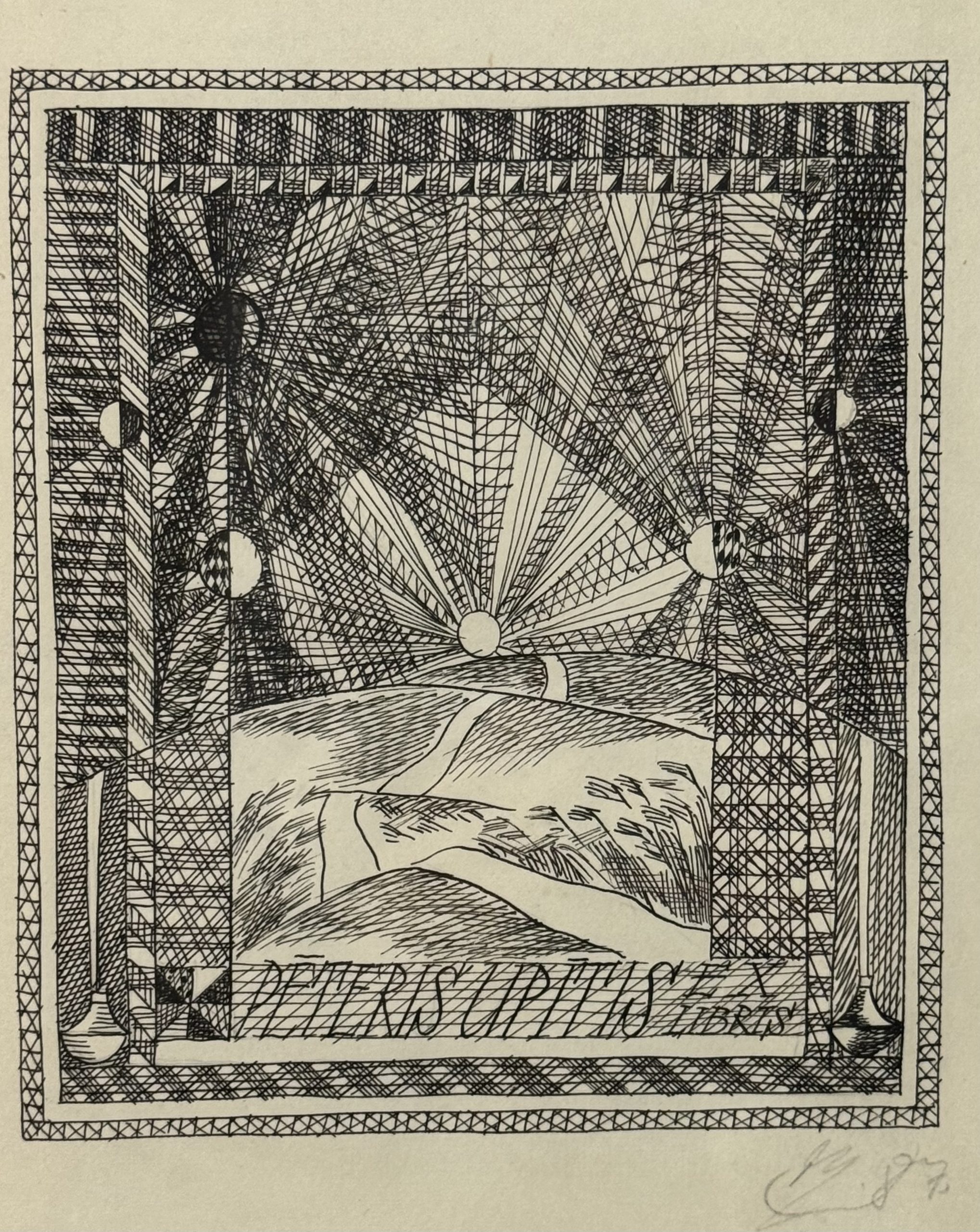
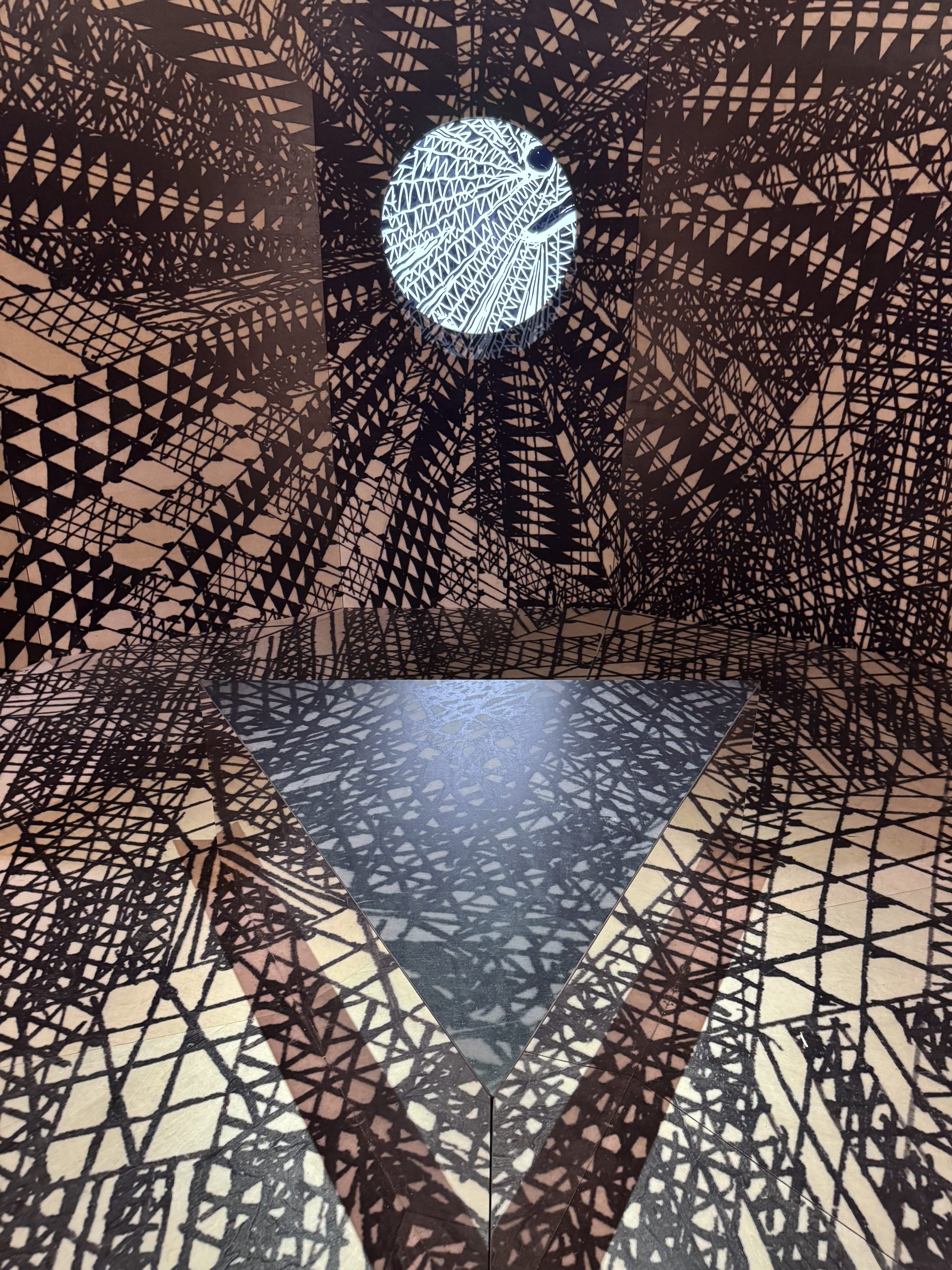
The library atrium is circled with glass-walled collections and reading rooms, not open to visitors, but light and bright with incredible city views. I looked into the sheet music archive with some envy! Around the atrium, small exhibitions and galleries on most floors, open to everyone. We spent some time looking at the beautiful art of Dzidra Ezergaile, a graphic artist who created amazing geometric ink sketches and book plates based on the solar system and the cosmos. Working from the 50s and 60s onwards, she found ways to express personal freedom and individuality at a time when that was a dangerous path under the ideologically repressive Soviet regime.
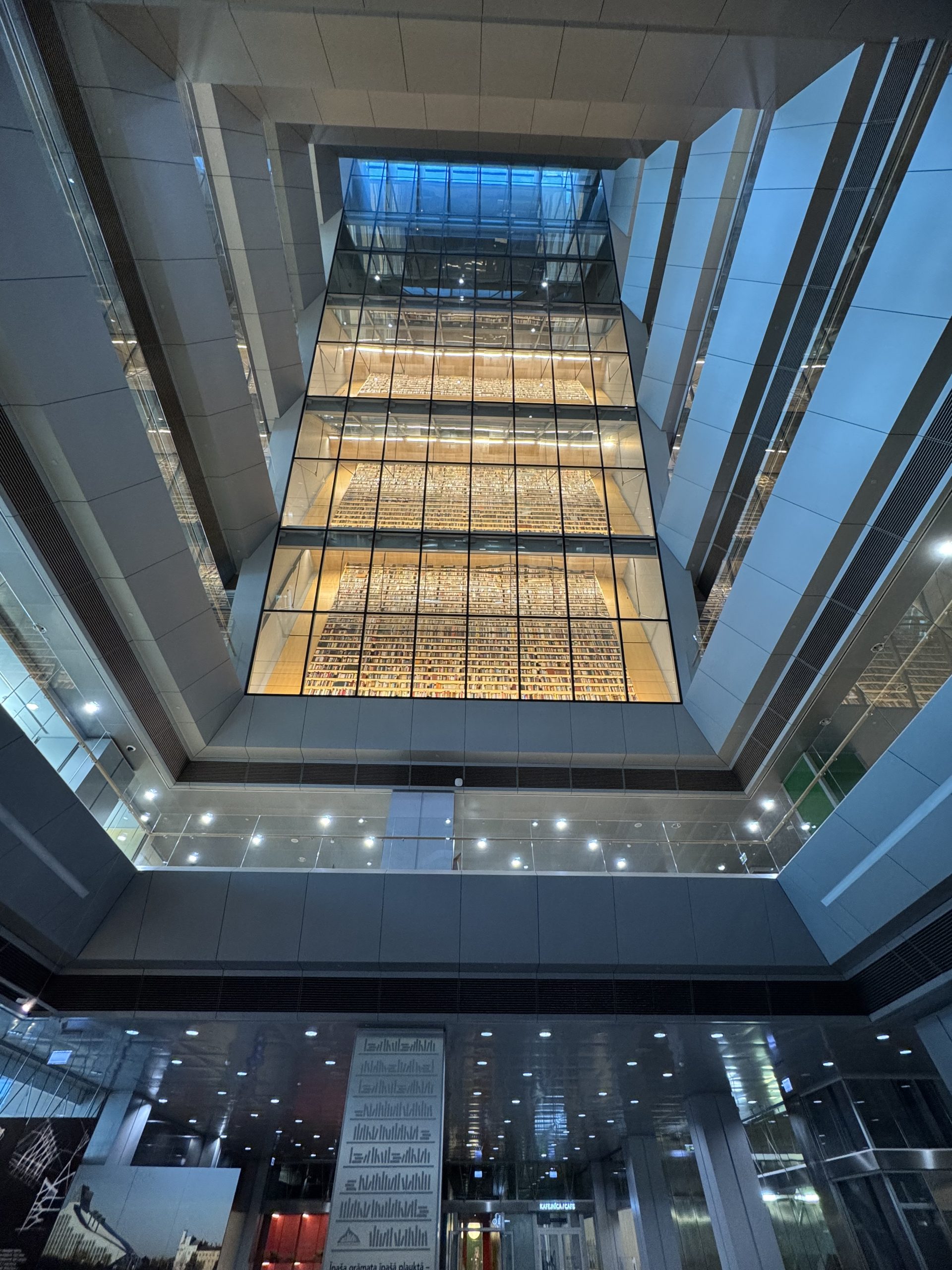
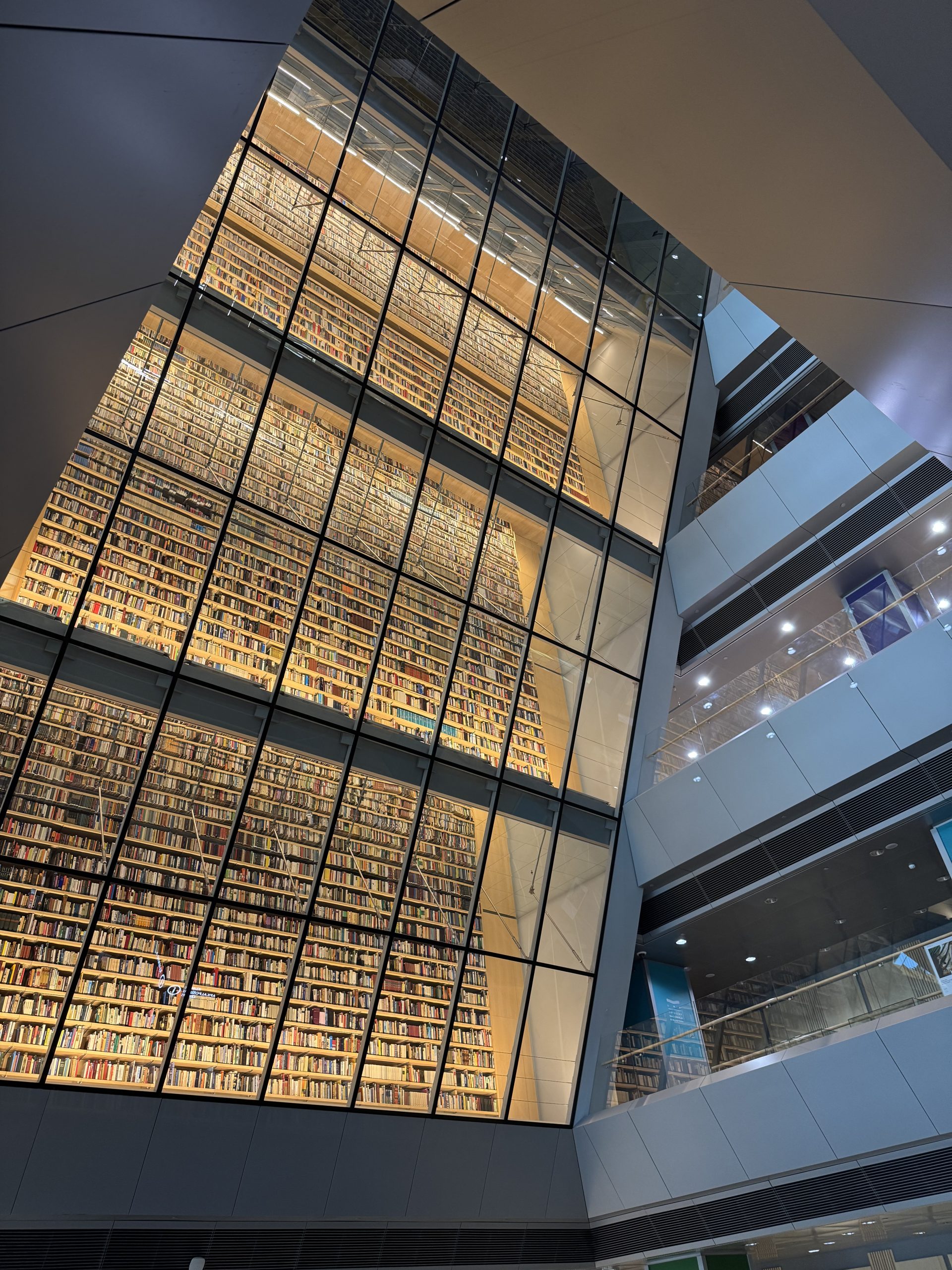
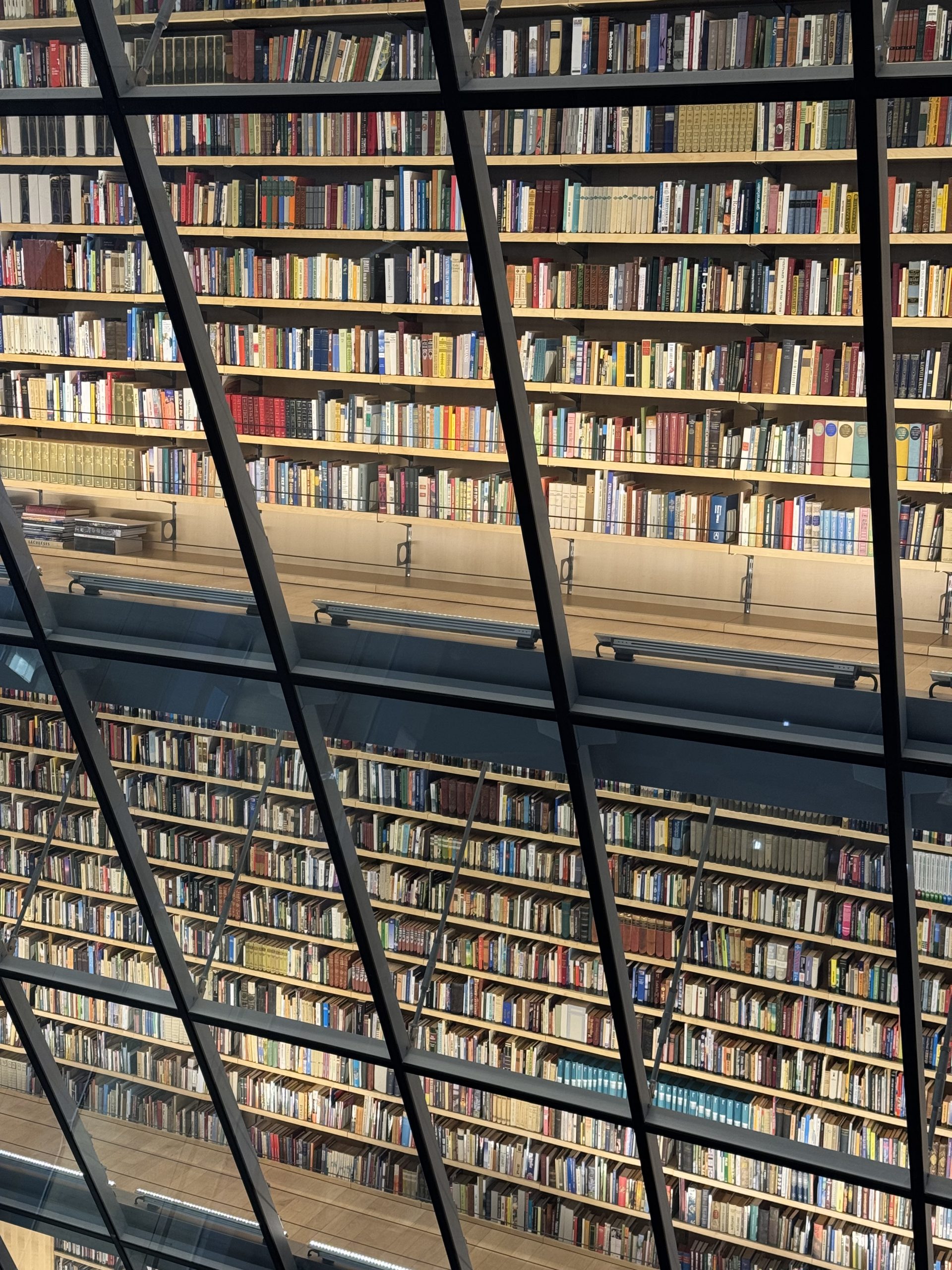
At the heart of the library, built into the sloping roof, is the People’s Bookshelf. Thousands of books, each with personal meaning to someone, have been donated by Latvians and visitors, making up a five-storey bookshelf which is as beautiful in looks as it is in concept.
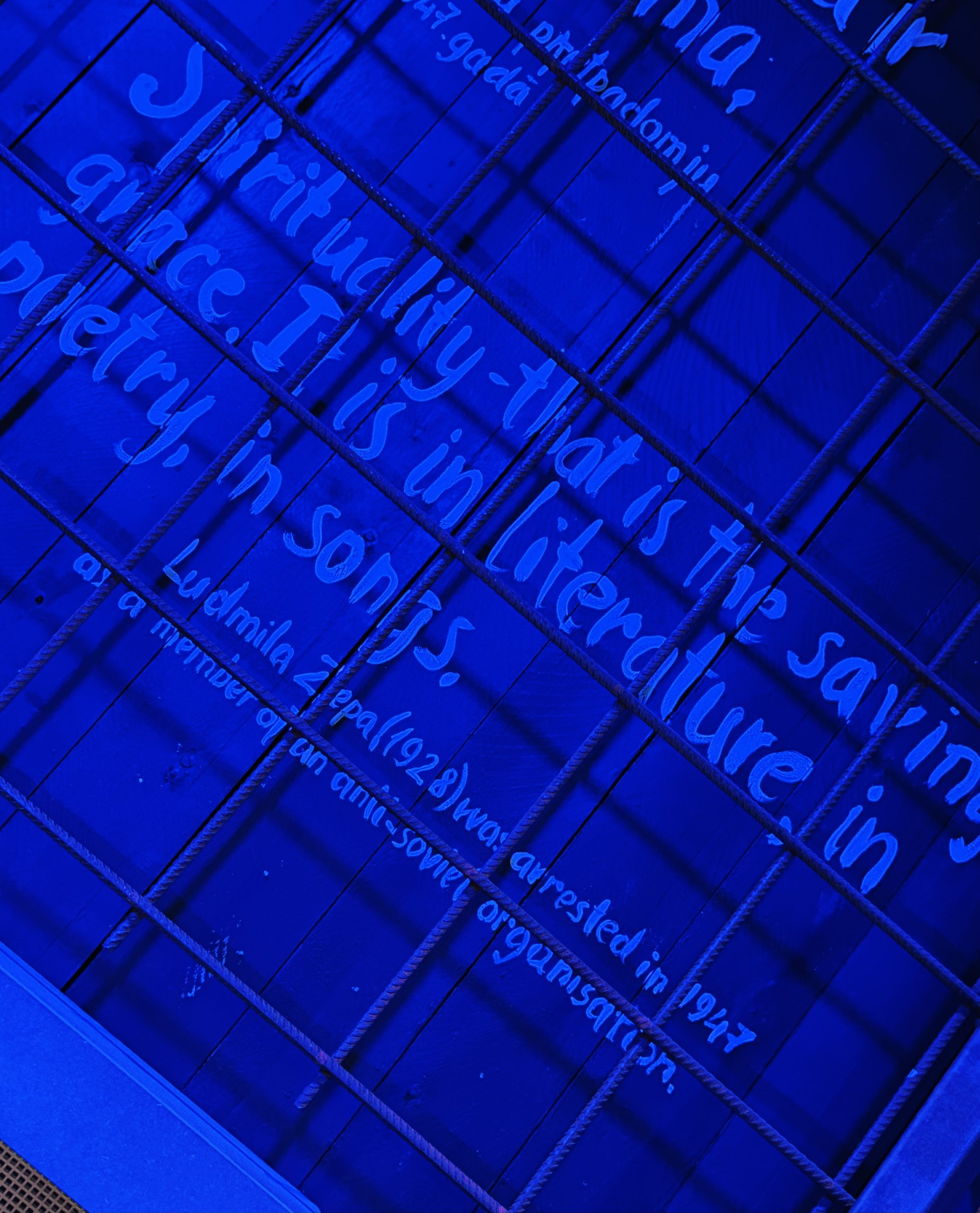
Before we tore ourselves away, we visited a small exhibition celebrating the life of Lidja Doronina-Lasmane. A Latvian dissident, now 100 years old, she was a member of the anti-Soviet resistance. Convicted and imprisoned three times by the Soviets, she endured the most horrific conditions in prisons and work camps, yet continued to fight for what she knew was right. A truly incredible lady, still speaking out in difficult times, with a life that is as humbling as it is inspiring.
(Read more about Lidija here
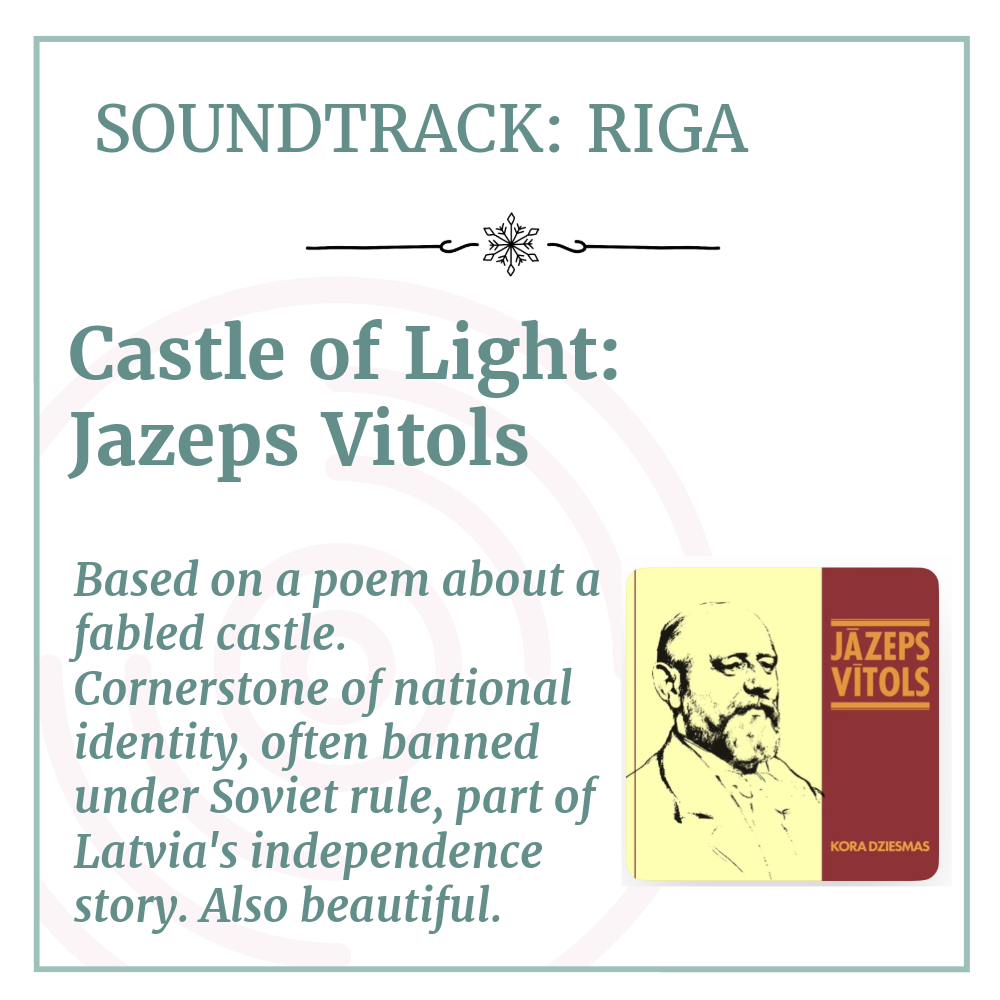
If a library tells you something of a nation, Riga’s speaks of valuing culture, learning, knowledge – and above all, people. The building is known as the Castle of Light, named for a choral work at the heart of Latvian cultural identity, and it very clearly embodies strength and light in both design and ethos. Truly wonderful.
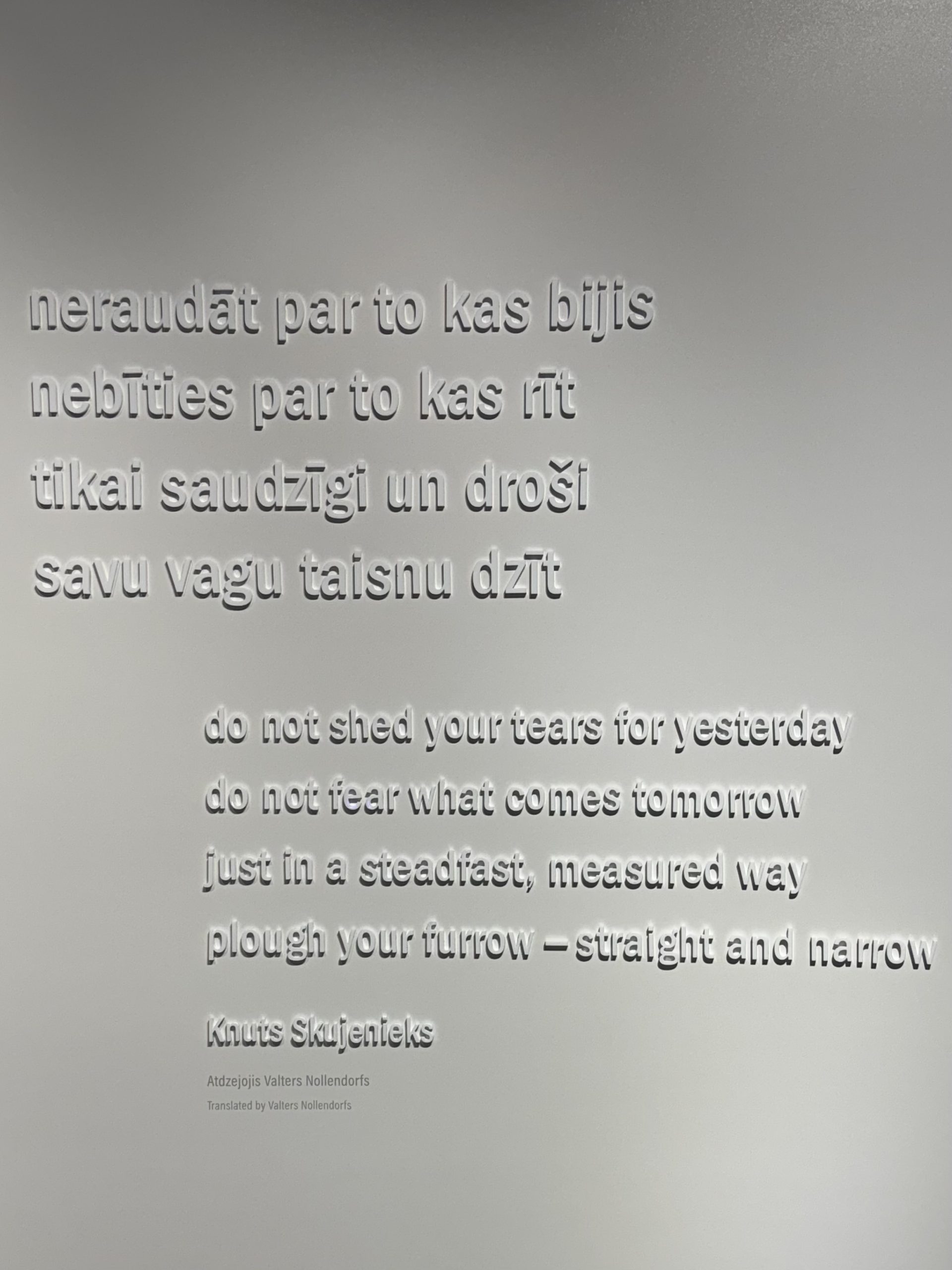
To try to understand a little more of the turbulent history of Latvia, we spent some time in the excellent Museum of the Occupation of Latvia. This was everything that is right in modern museums. Engaging, beautifully put together, powerfully thought-provoking, with so much to explore that you could easily spend days in there. Equally, a short visit still sent us away with so much to think about. Despite a lot of years studying the Soviet Union as part of my degree, I was woefully unaware of the details of Latvia’s hard history. After a war of independence and some years as a happy nation state, it was first occupied by the Russians, then violently taken and occupied by the Germans and then retaken by the Soviets and occupied until the end of the 1980s.
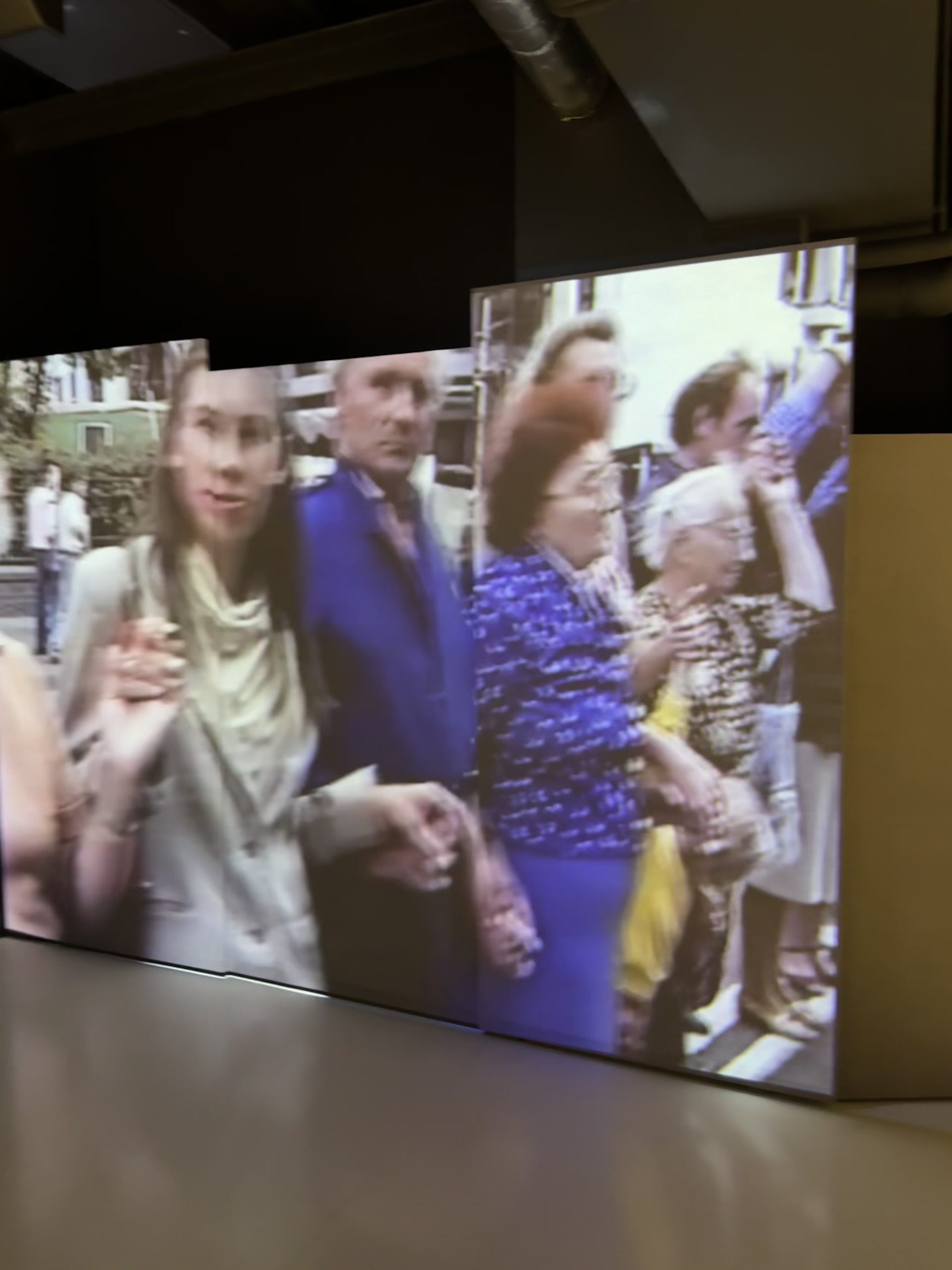
The brutality of war, the horror of being occupied by first one nation then another, the devastating reality of deportations, imprisonments and worse, the intense bravery of those who risked everything to continue the fight. Emerging from the darkly-lit stories of occupation into the bright light of the stories of independence, one video in particular moved me to tears. Footage of a moment in 1989 when 1.5 million people joined hands in a continuous, 660km-long chain across all three Baltic states, from Tallinn through Riga to Vilnius, in a moment of strength and solidarity. So much heartbreak and horror – and still so much hope.
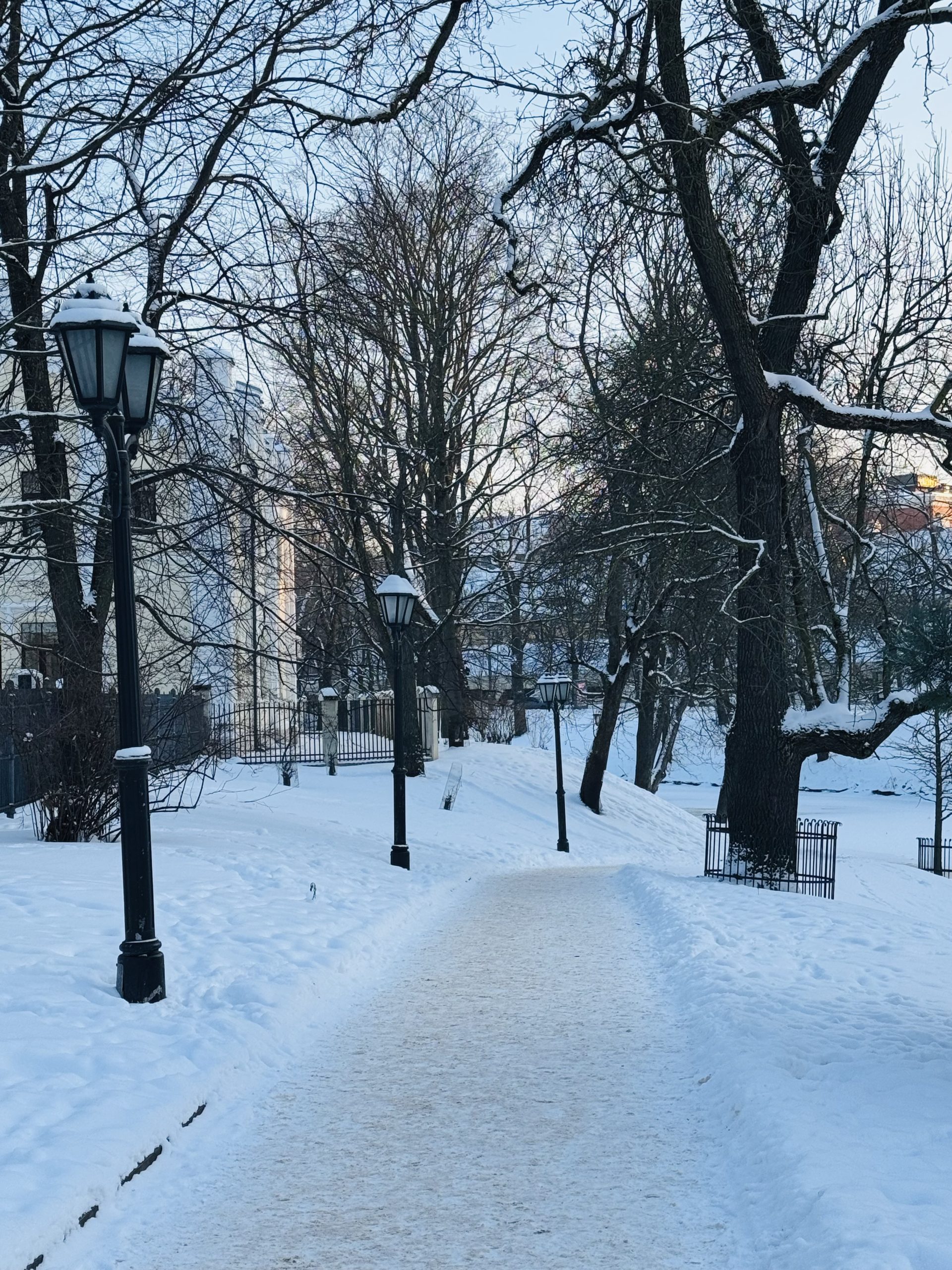
It was hard to follow this museum with anything, but we took a lovely snowy walk through the park in the fading afternoon sunlight, visited the Freedom Monument and generally soaked up a little more of the city. All too soon it was time to leave on the train for Vilnius.
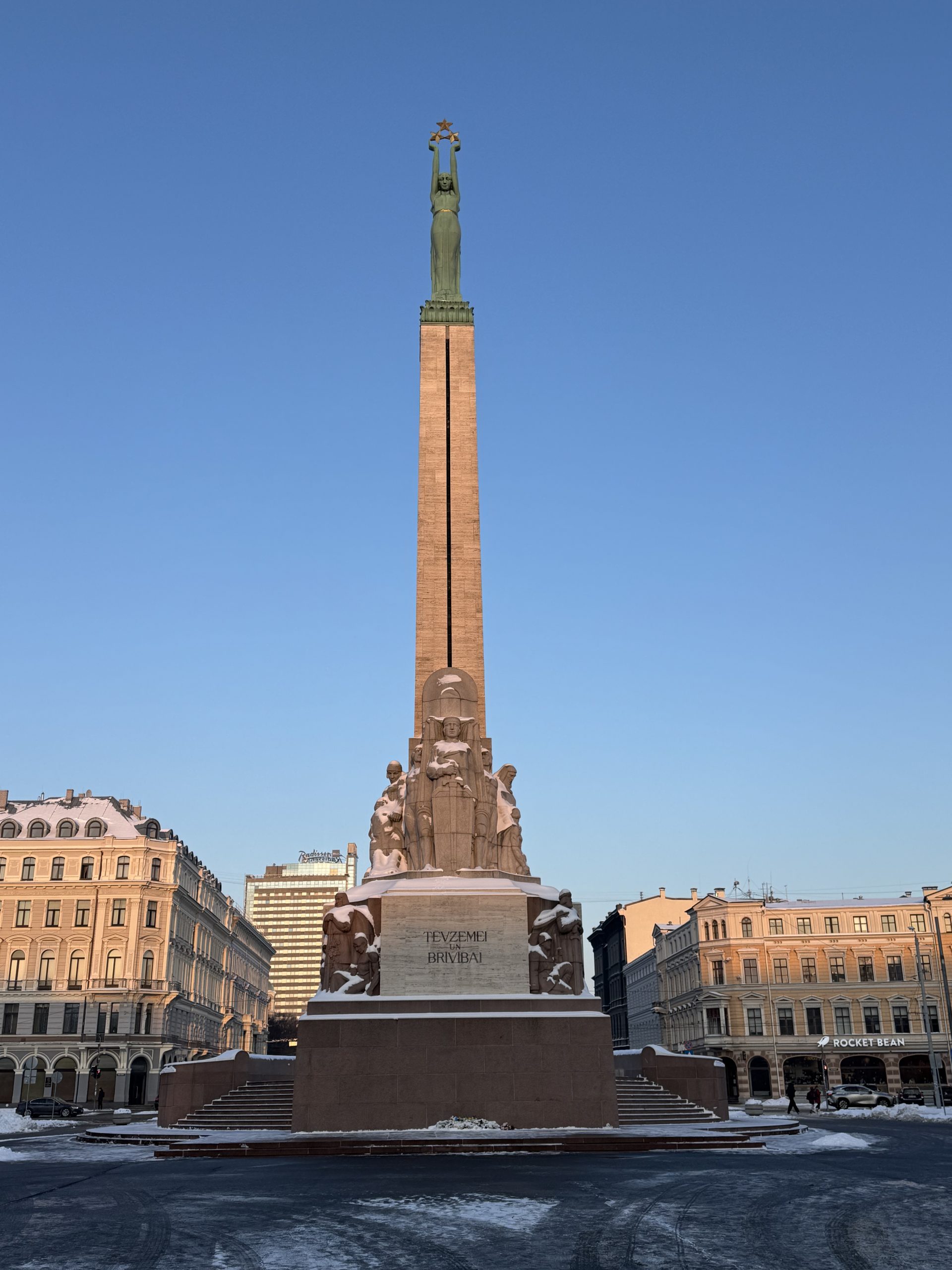
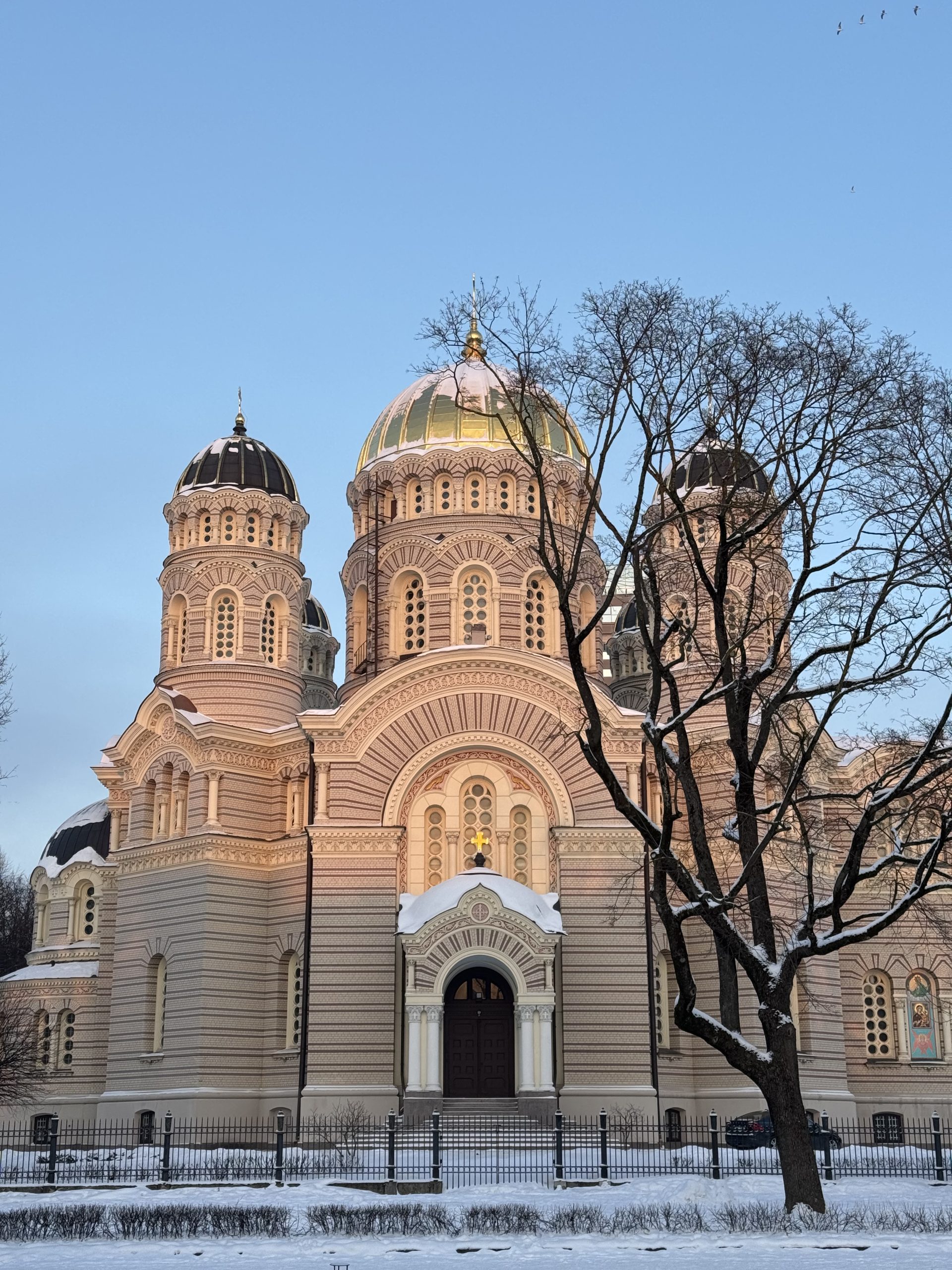
It’s impossible to know a city in such a short visit, and Riga feels like a city that is so full of contradictions, it would take time to get under its skin. I’m left with impressions of a city (and a country) that has been through so much, but come away with an incredible sense of its national culture and soul.