Latitude: 51°
Weather: 4°C, 🌤️ Sunrise: 07:45 Sunset: 16:30
We waved Lithuania – and the Baltics – goodbye at Mockava, just short of the Polish border, and swapped our beautiful LTG Christmas train for a very functional Polish Intercity.
Another border crossing was marked only by a field, and we were into Poland. We stopped at Tracieszki for border control – the first time we’ve needed passports since we landed into Tromsø.
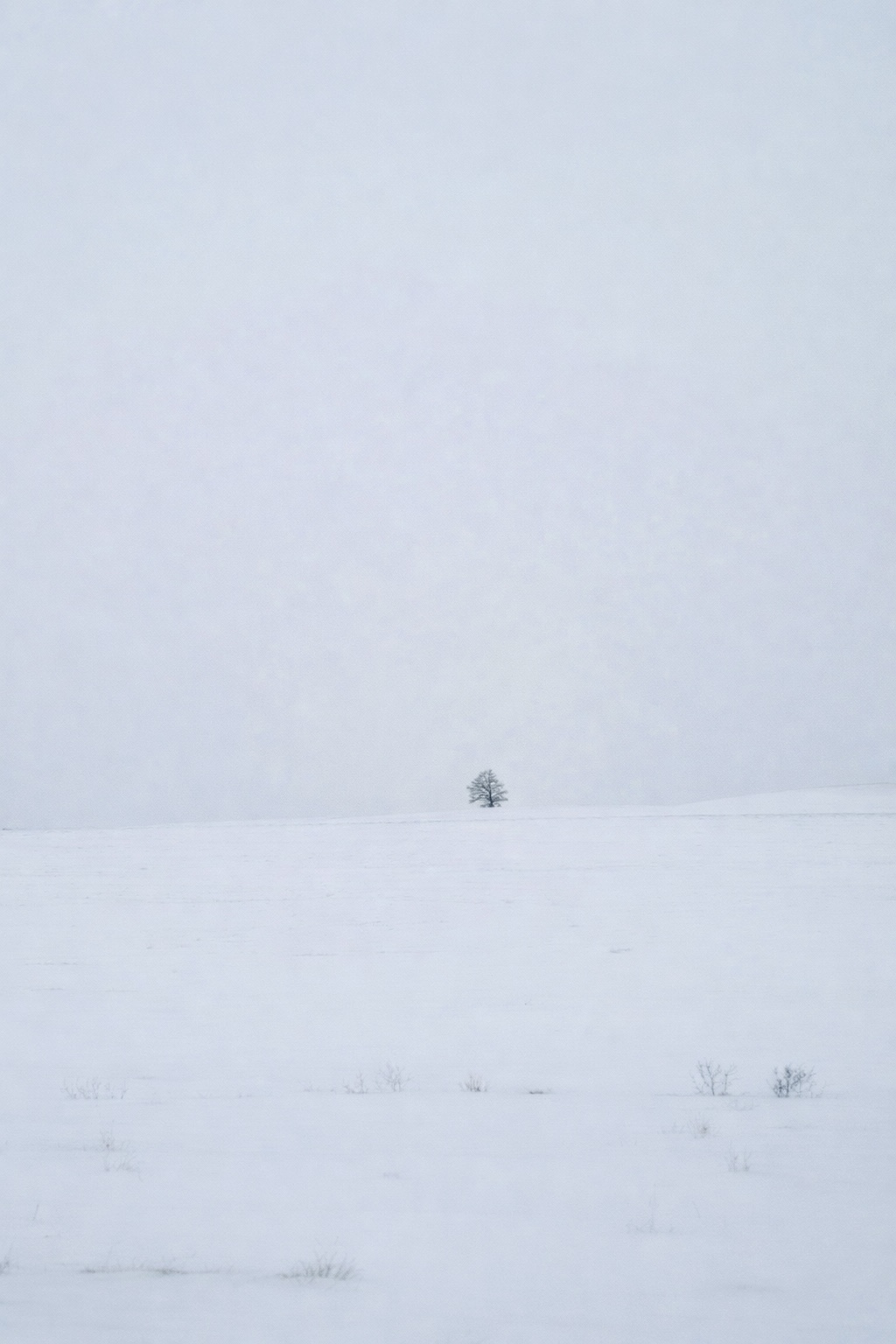
Lithuania had given us wide open expanses and rolling fields. A sea of white, broken by occasional deer and two moose.
Poland took us back into forests. Deep, white, regimented spruce plantations which later softened to bring back my beloved silver birch and a handful of pine. A peaceful train, but a bumpier ride than we’ve had so far, carriages rattling and jolting over rails less smooth than their Baltic counterparts, and a decidedly dodgy set of brakes making station arrivals a little … abrupt!
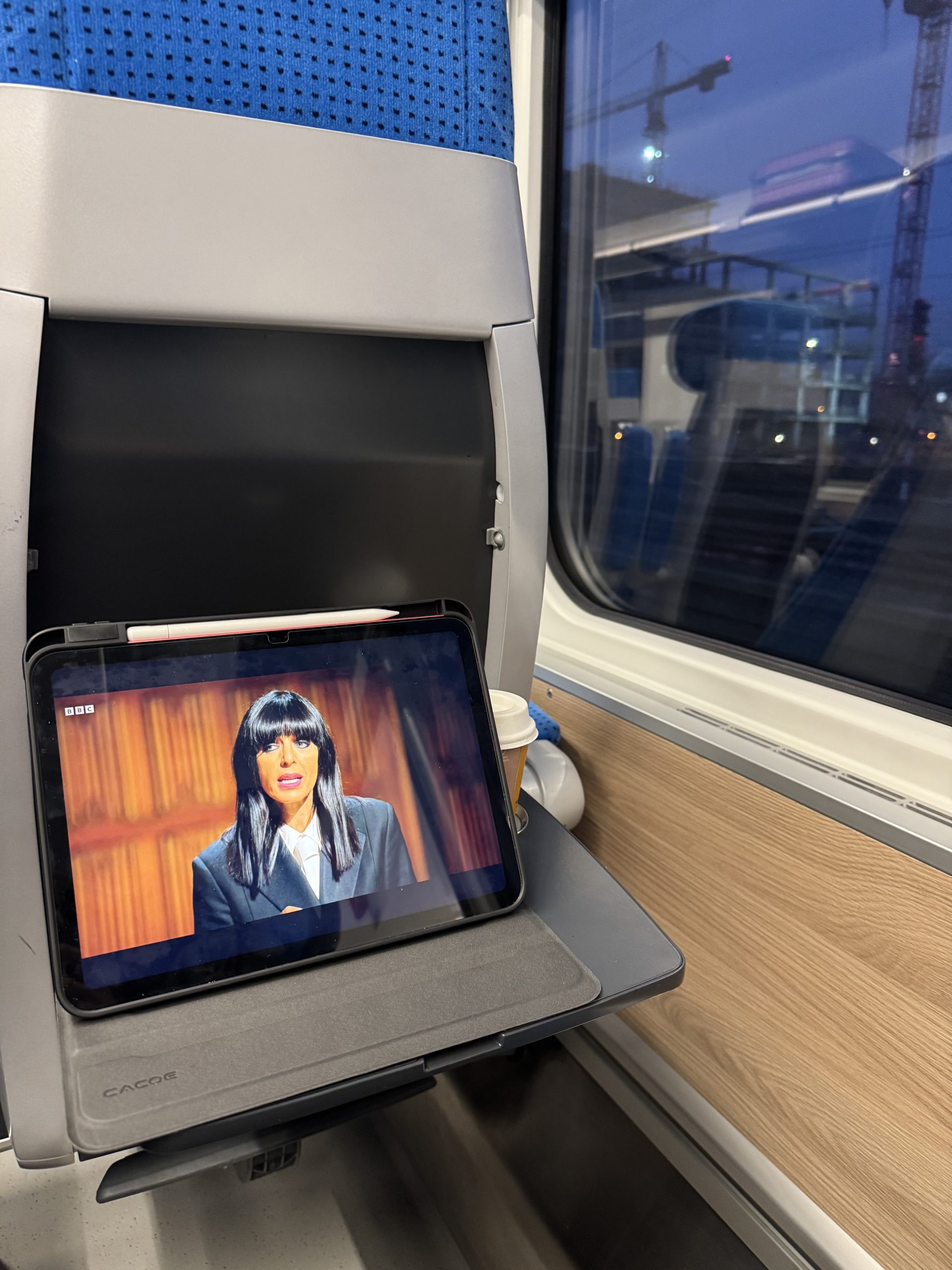
Warsaw was a shock to the senses and I was thankful that we’d decided to transit straight through. A big, noisy station in a hurry. People, noise, movement. Grey, misty and damp outside, although still some snow. We grabbed a coffee and were happy to make it successfully onto the right train, heading for Wrocław. The train had a different mood too. Noisy, full of chatter and people on mobiles. Hot and loud, with the snow gradually becoming more patchy outside the window as darkness fell. The screen showed an outside temperature of 4°C: a crazy 20° warmer than the silent city we left before dawn this morning. This felt like a proper wrench and I can’t pretend to have been happy about it.
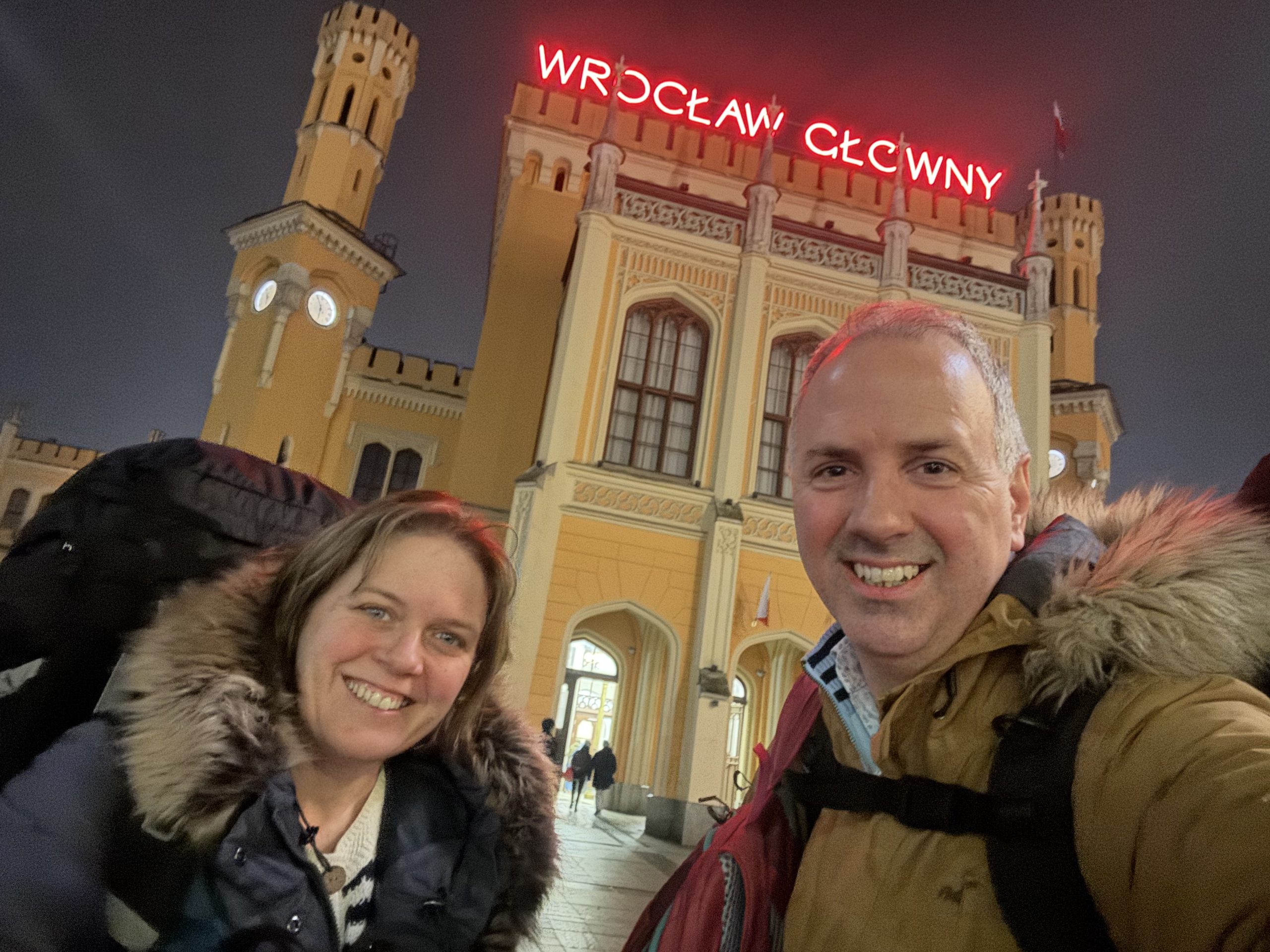
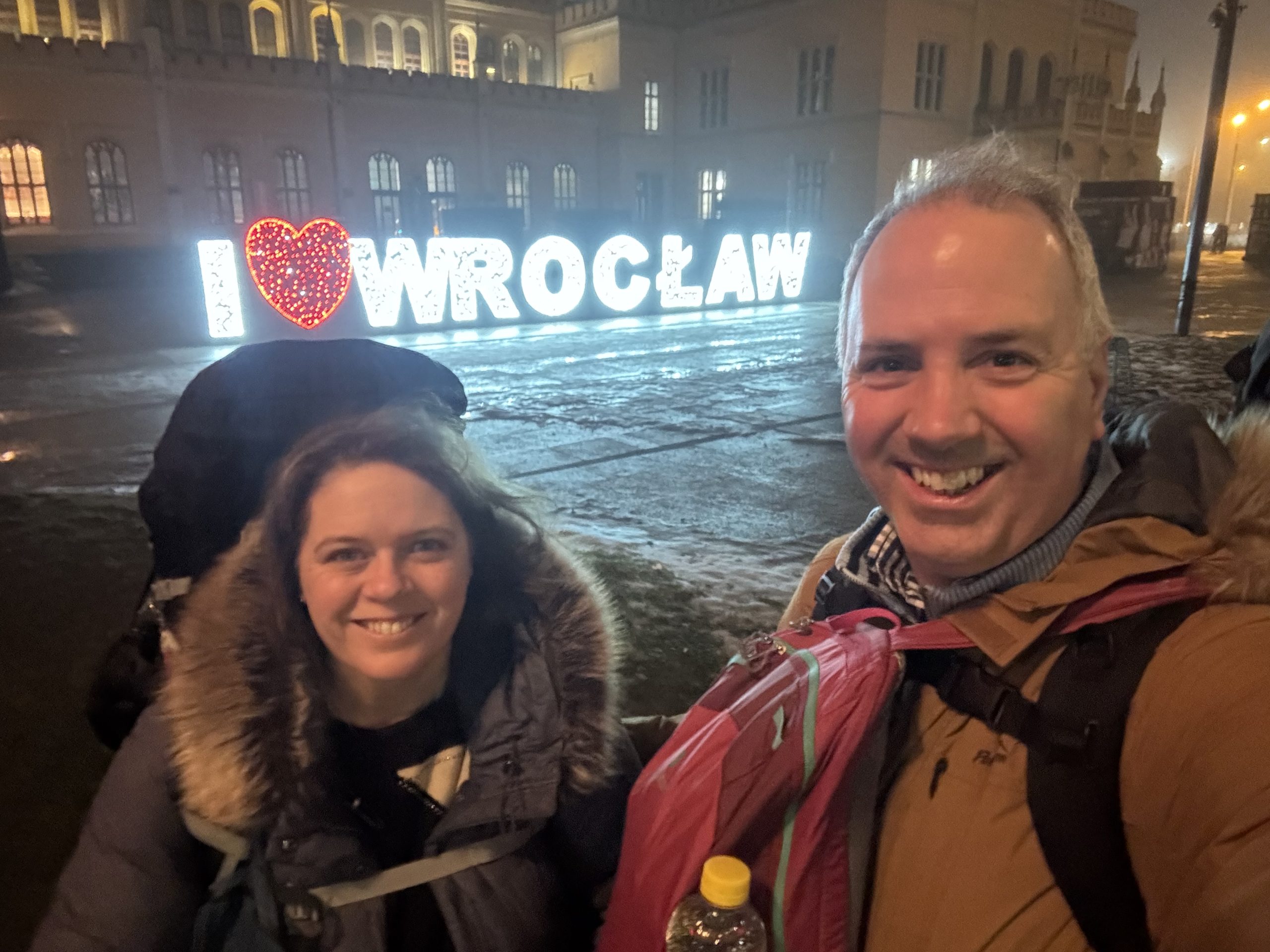
Against that backdrop, Wrocław had its work cut out. To be fair, wherever we had chosen to land after two weeks of magical snowy winter was going to be at a disadvantage. By the time we arrived into Wrocław, we’d been travelling for 12 hours and were desperate for food and a shower. The decision to book a hotel right by the station was a good one, and in an unusually disciplined moment, we hit the gym, rewarded ourselves with a sauna, and finally got our long-awaited room service in jim jams. Hooray.
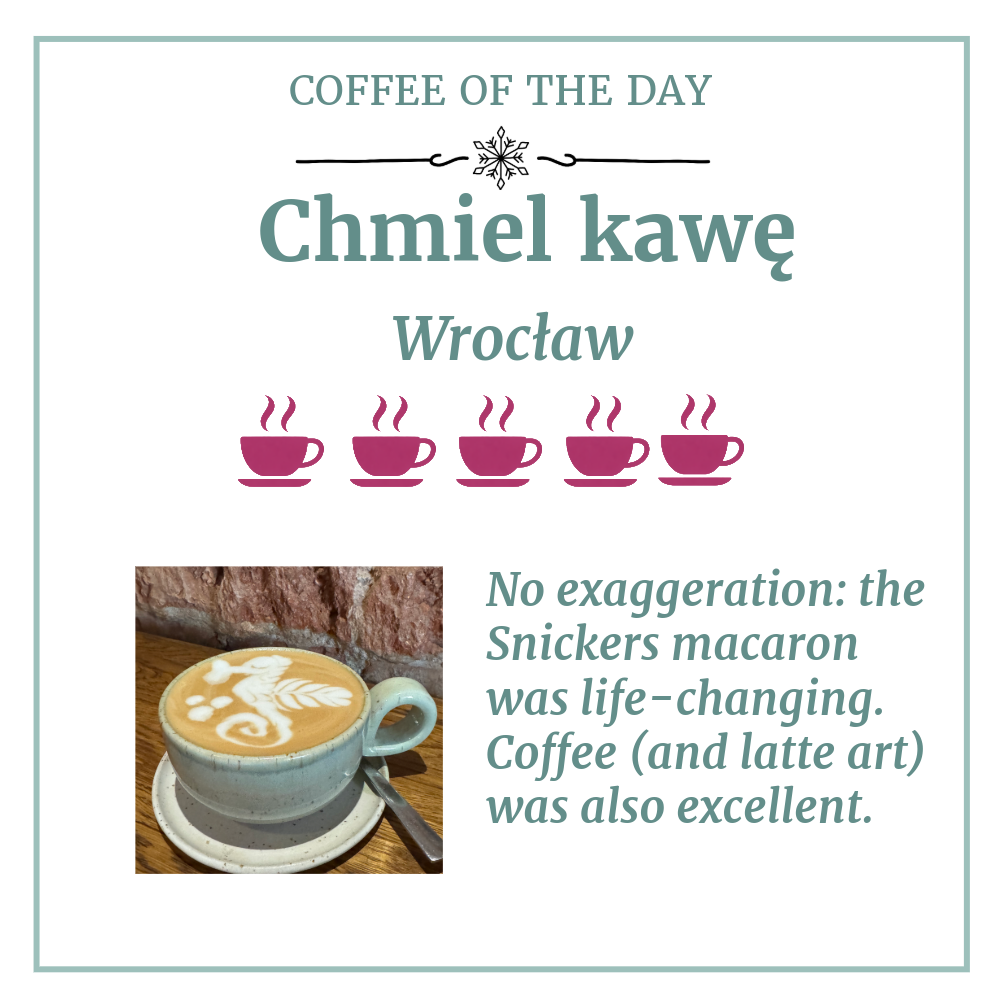
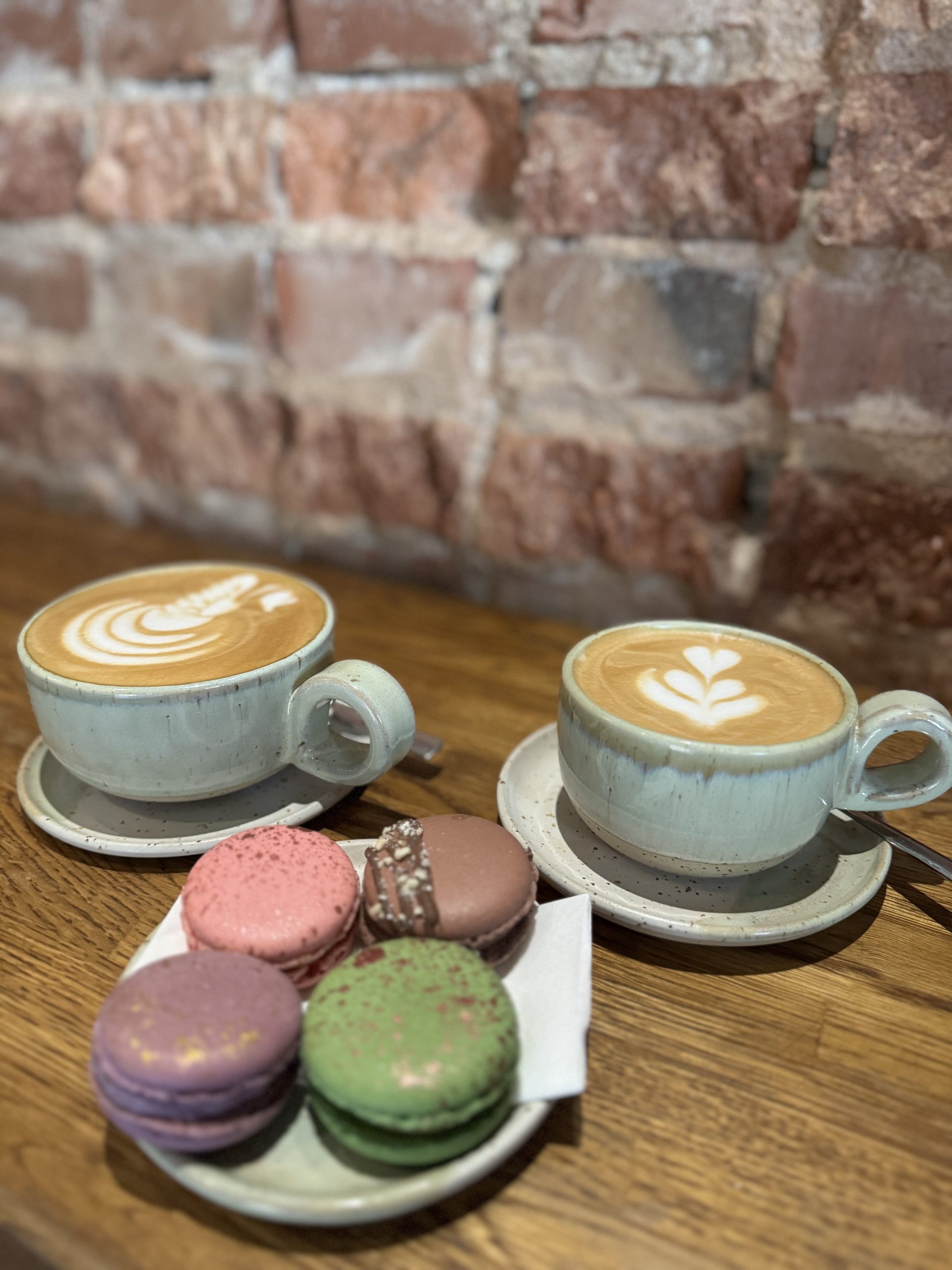
We slept late (it’s surprisingly tiring, sitting still doing nothing for 12 hours) and stumbled out into Wrocław for late morning coffee. Weird to be in jeans and trainers; no thermals, no Yaktrax, big gloves left firmly in the rucksack. My hair was delighted to be hatless for most of the day. Also fun to remember how easy it is to walk on pavement rather than snow or slush – we powered through the city at super speed.
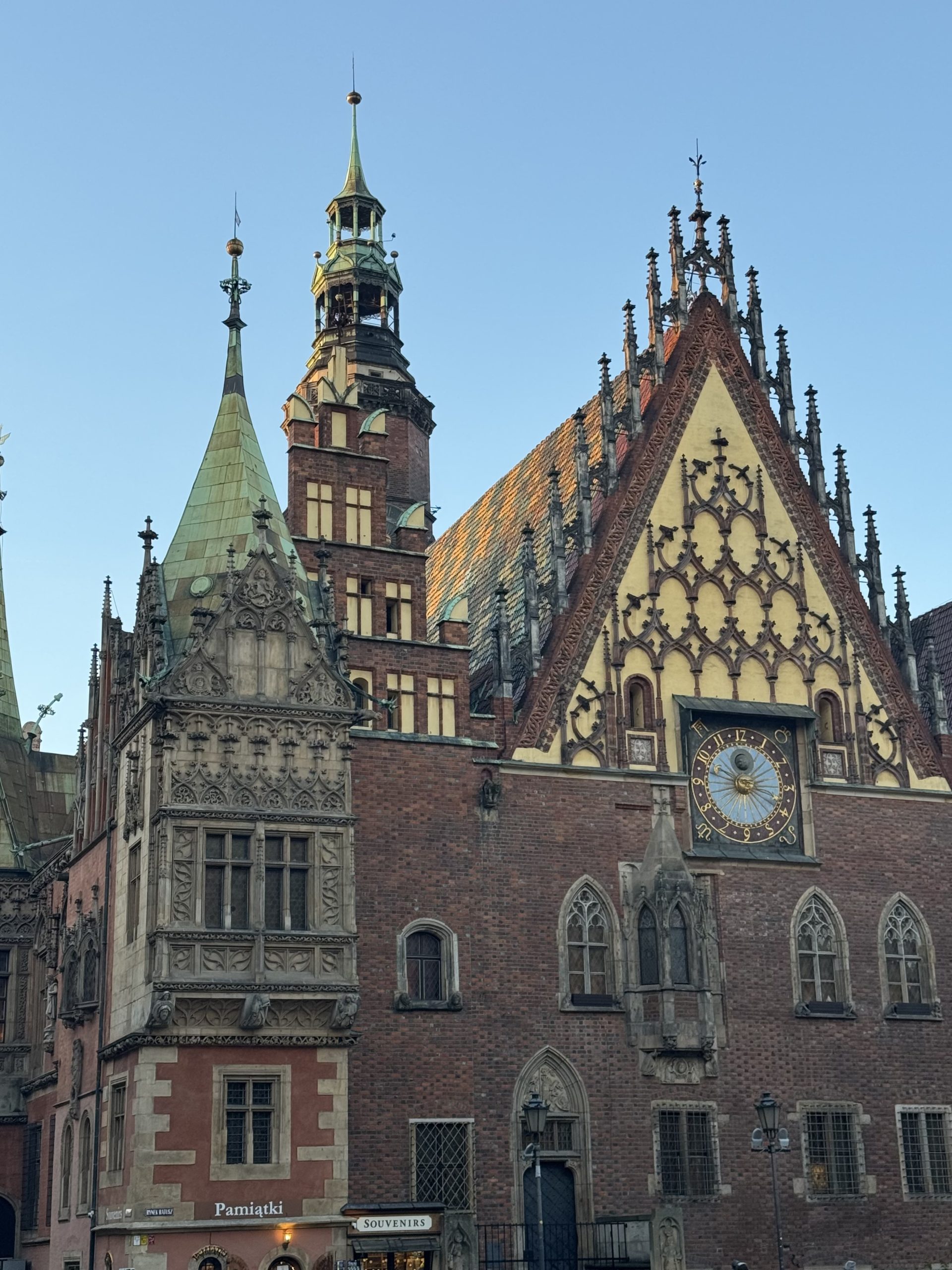
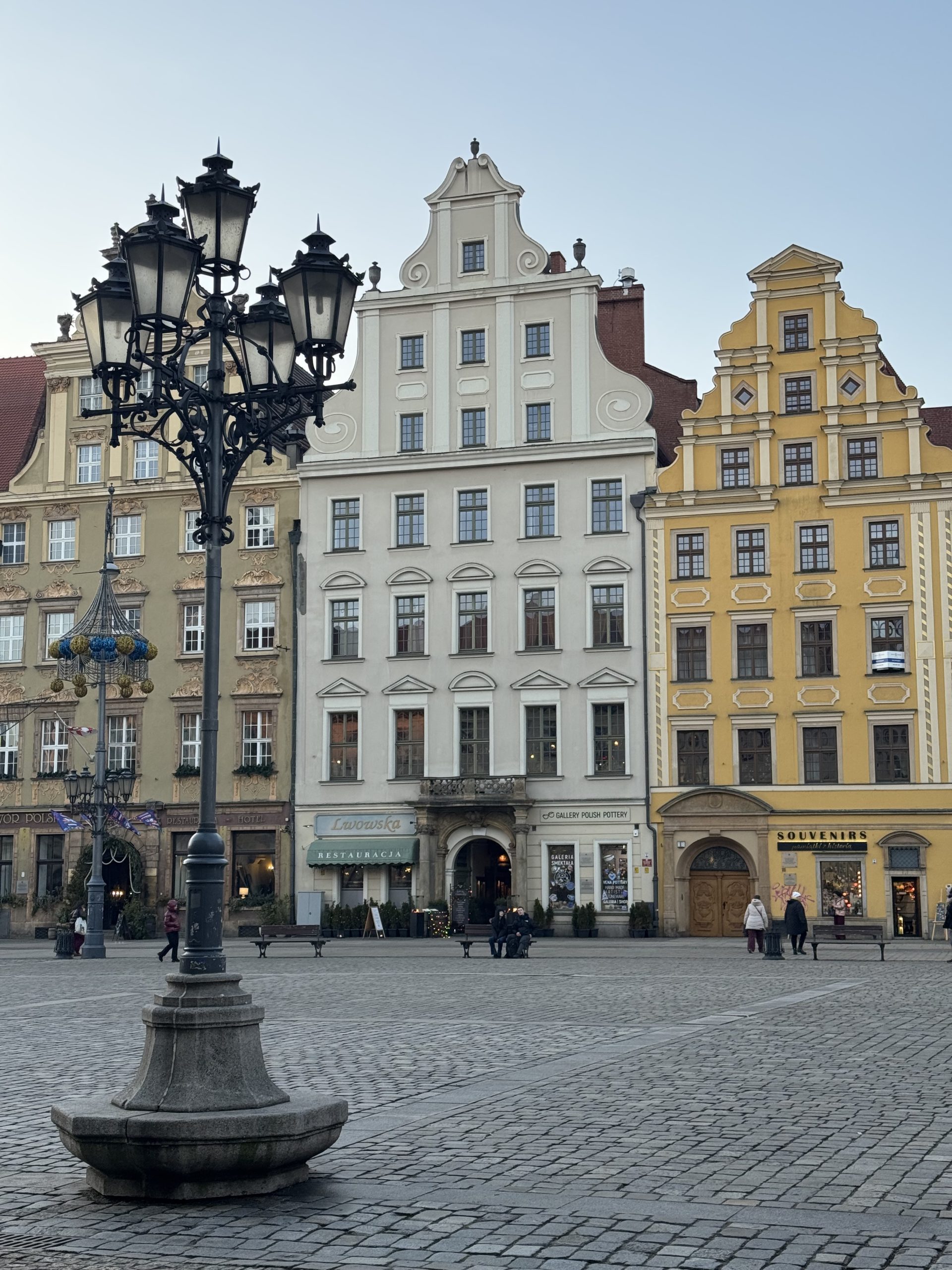
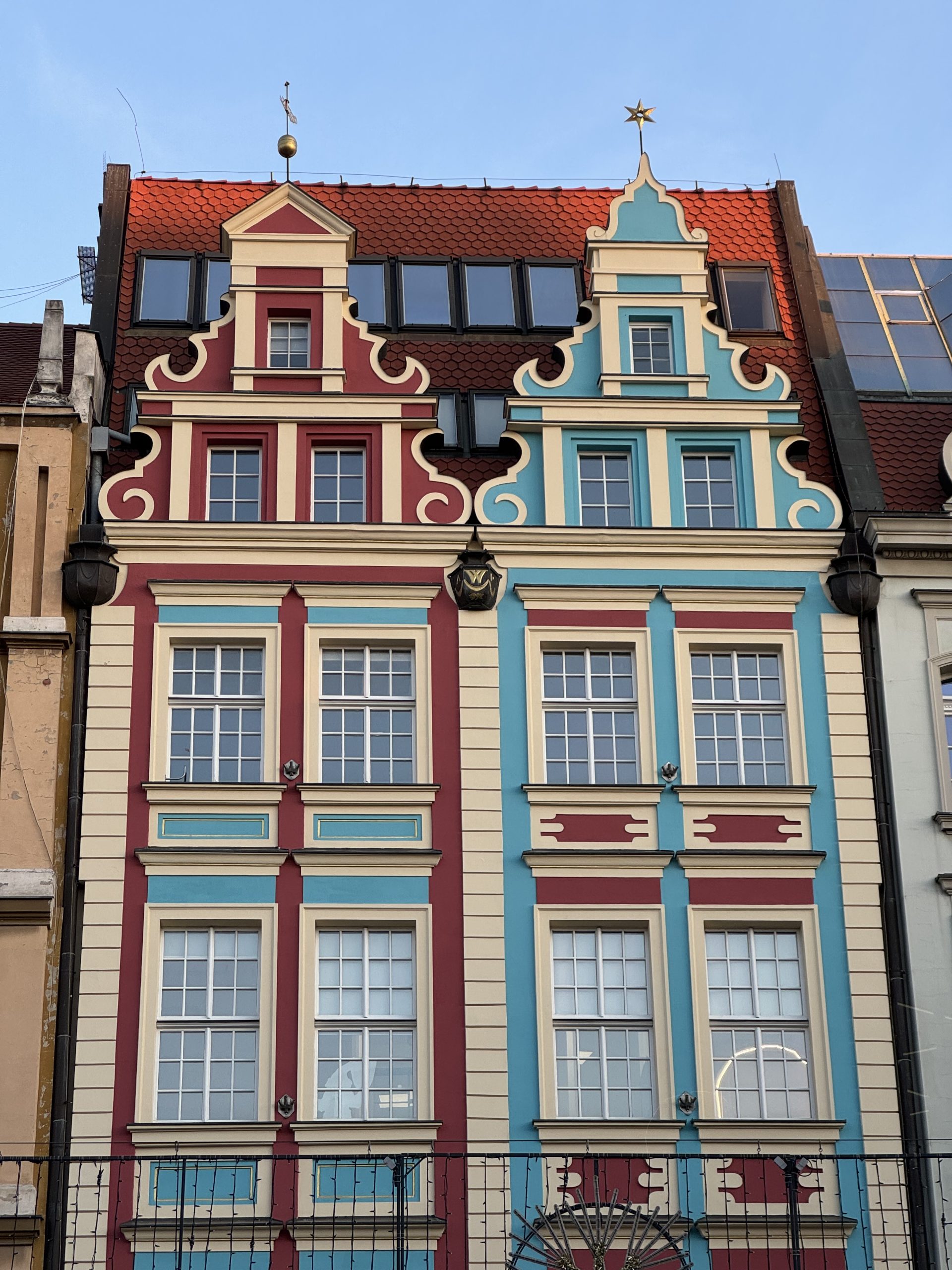
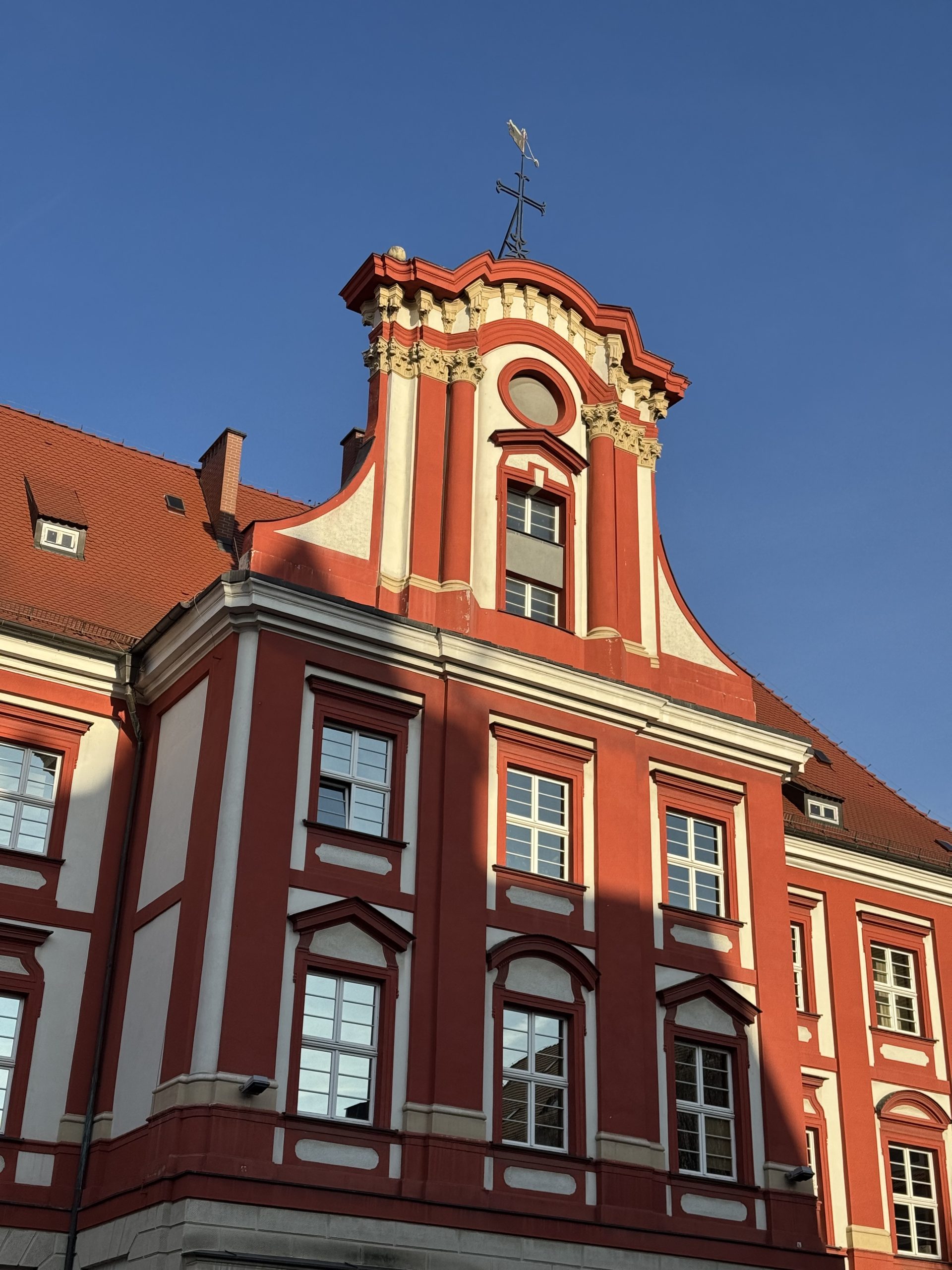
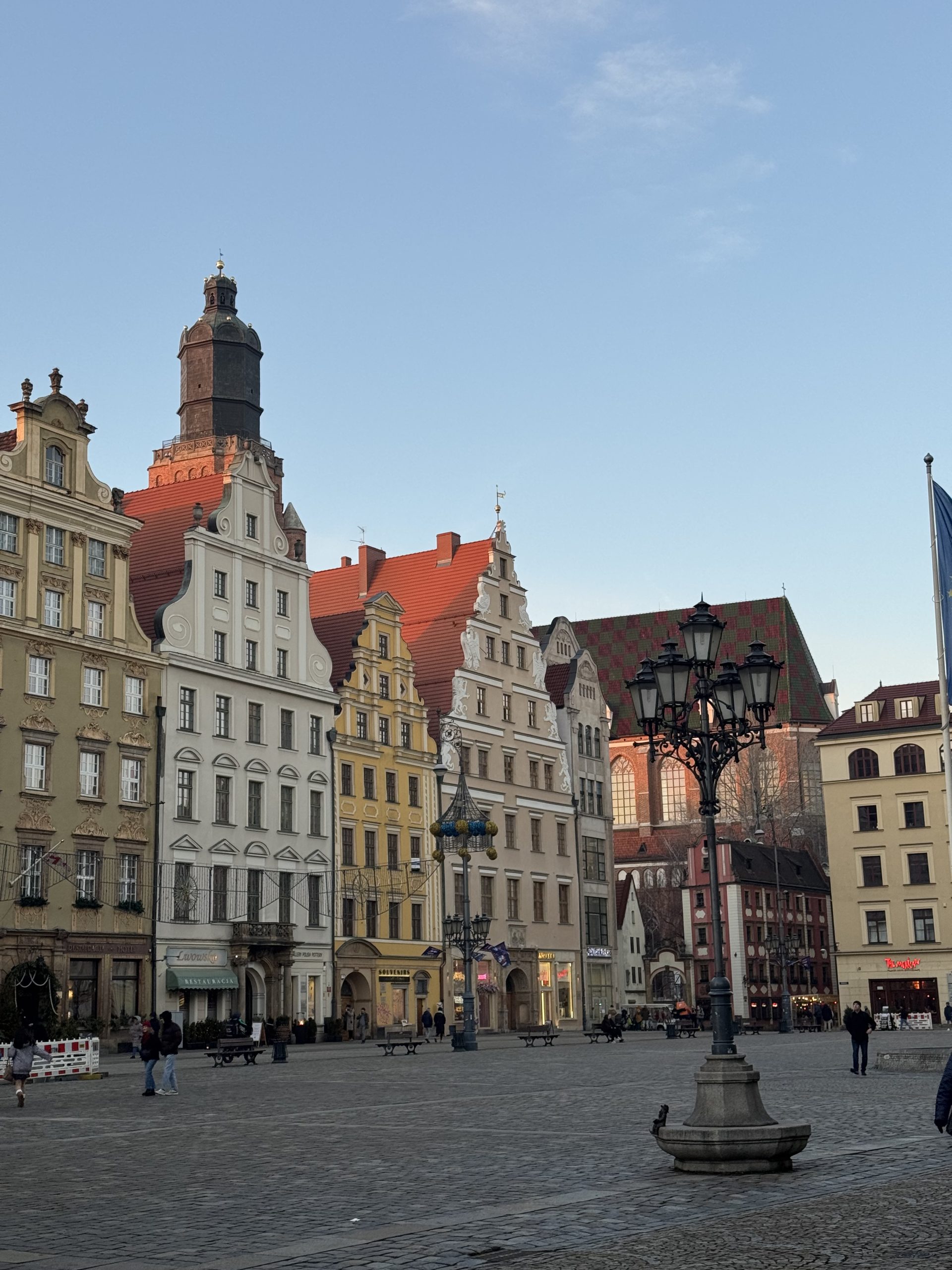
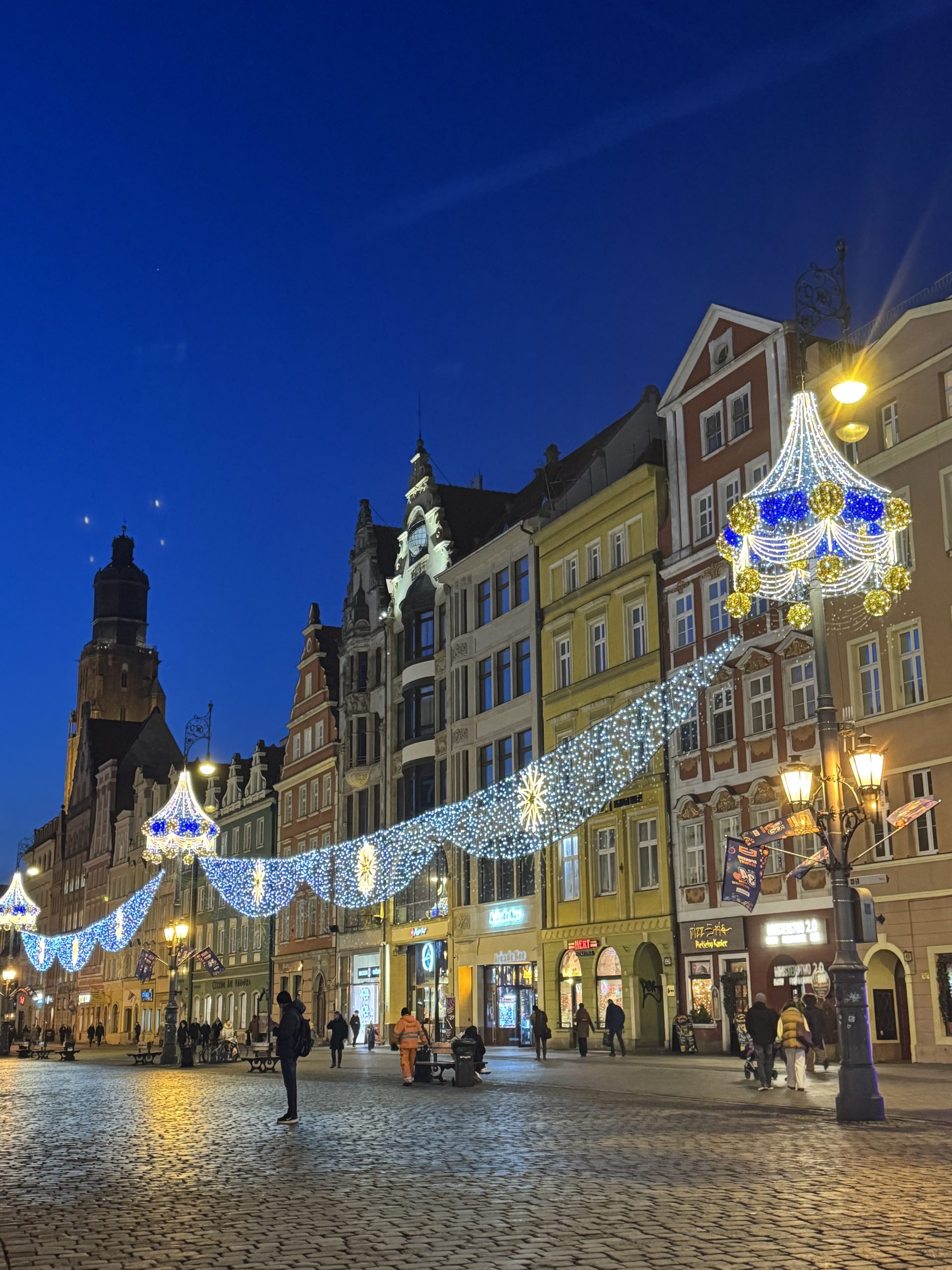
Wrocław (pronounced roughly Vrots-waff) is a big city with a well-preserved old town, built around a river. The main square is grand, all gothic churches and tall, brightly-coloured buildings with intricate gable roofs. A big, lit Christmas tree stood in the middle, and there was a general but gentle hubbub of locals and visitors criss-crossing the cobbles.
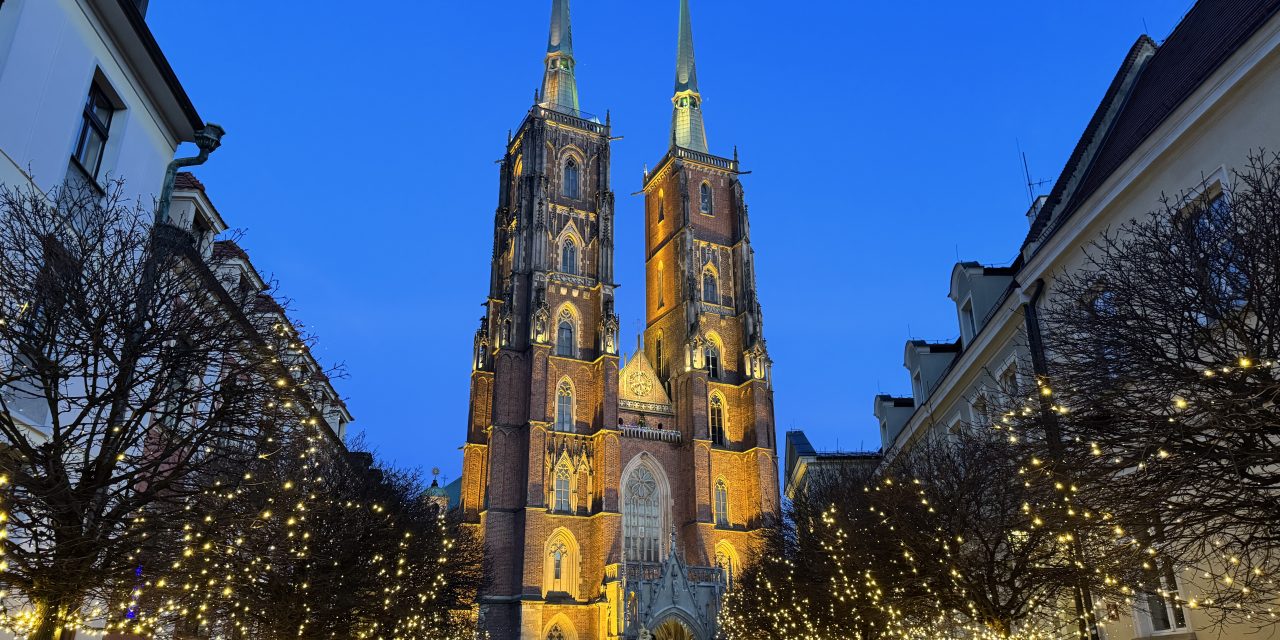
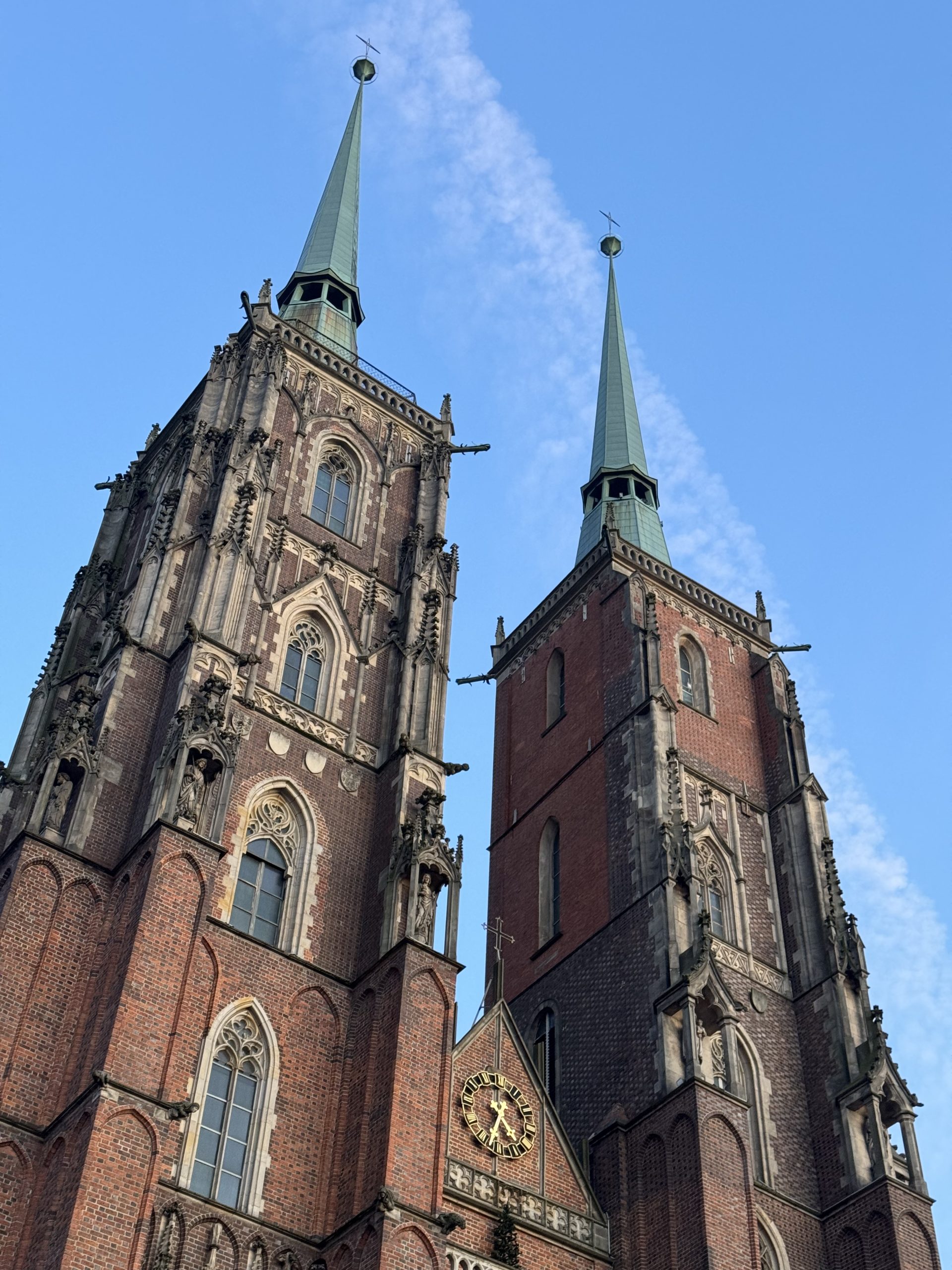
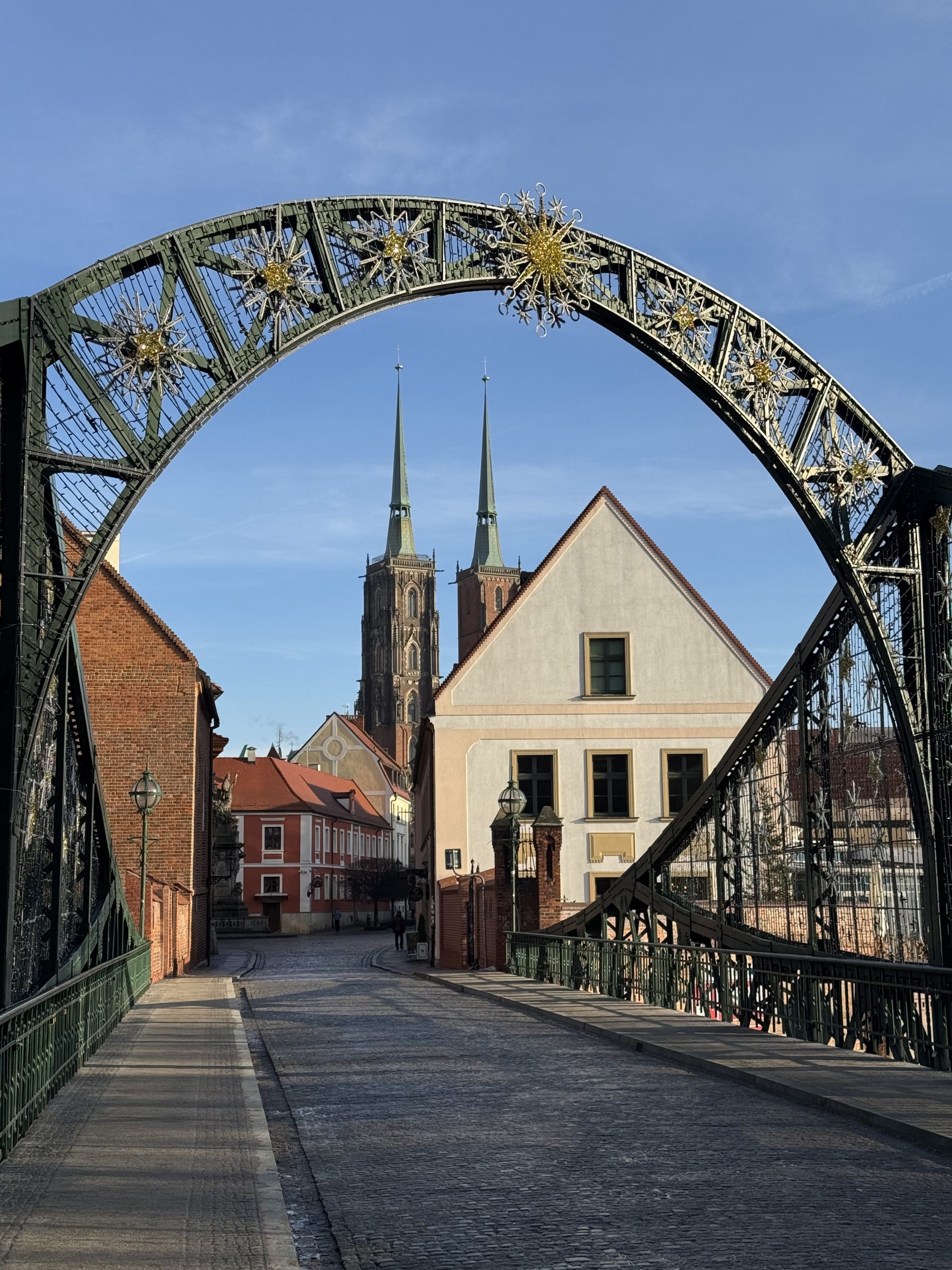
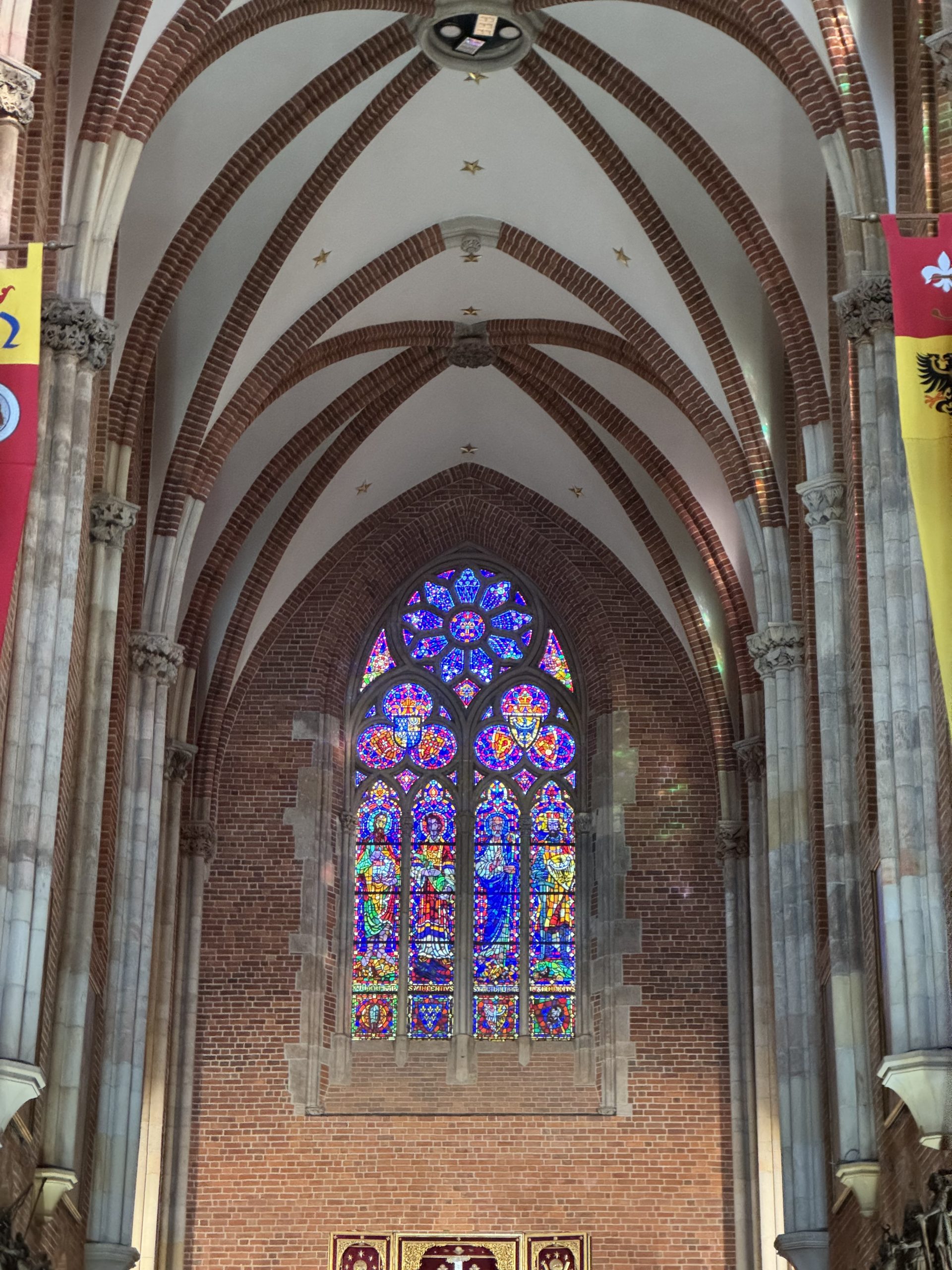
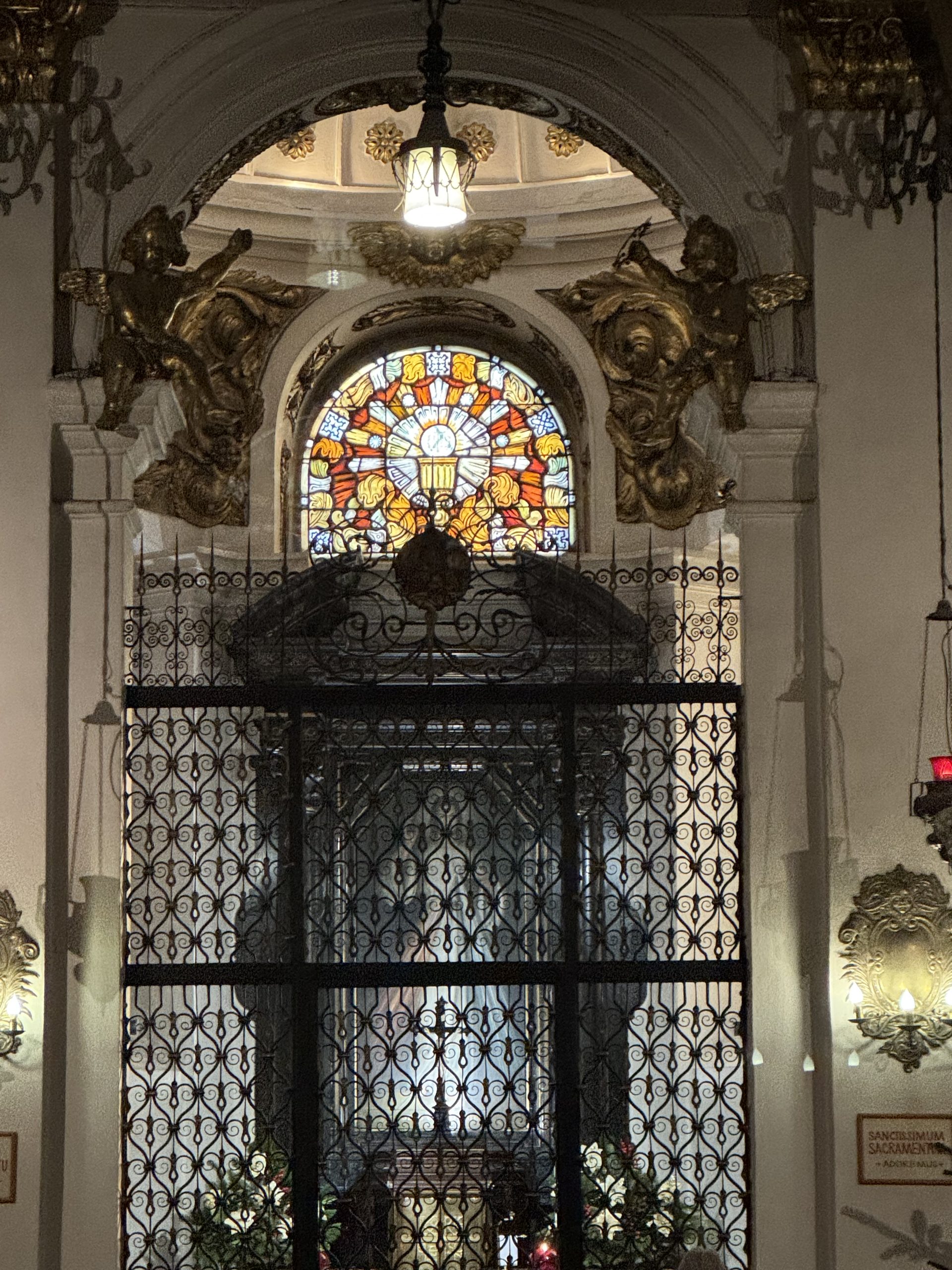
The river Oder runs through the centre of the old town, bridges crossing several small islands before reaching Cathedral Island (no longer an island …), which is the oldest (and prettiest) part of the city. We walked over an intricate iron bridge, across the partly-frozen river, to find small cobbled streets and a stunning gothic cathedral. With Cat Ramsden in mind, I spent some time admiring the really beautiful stained glass windows inside; glorious colours and incredible, intricate designs. Cat – you’d have loved them. Sorry the photos don’t really do them justice.
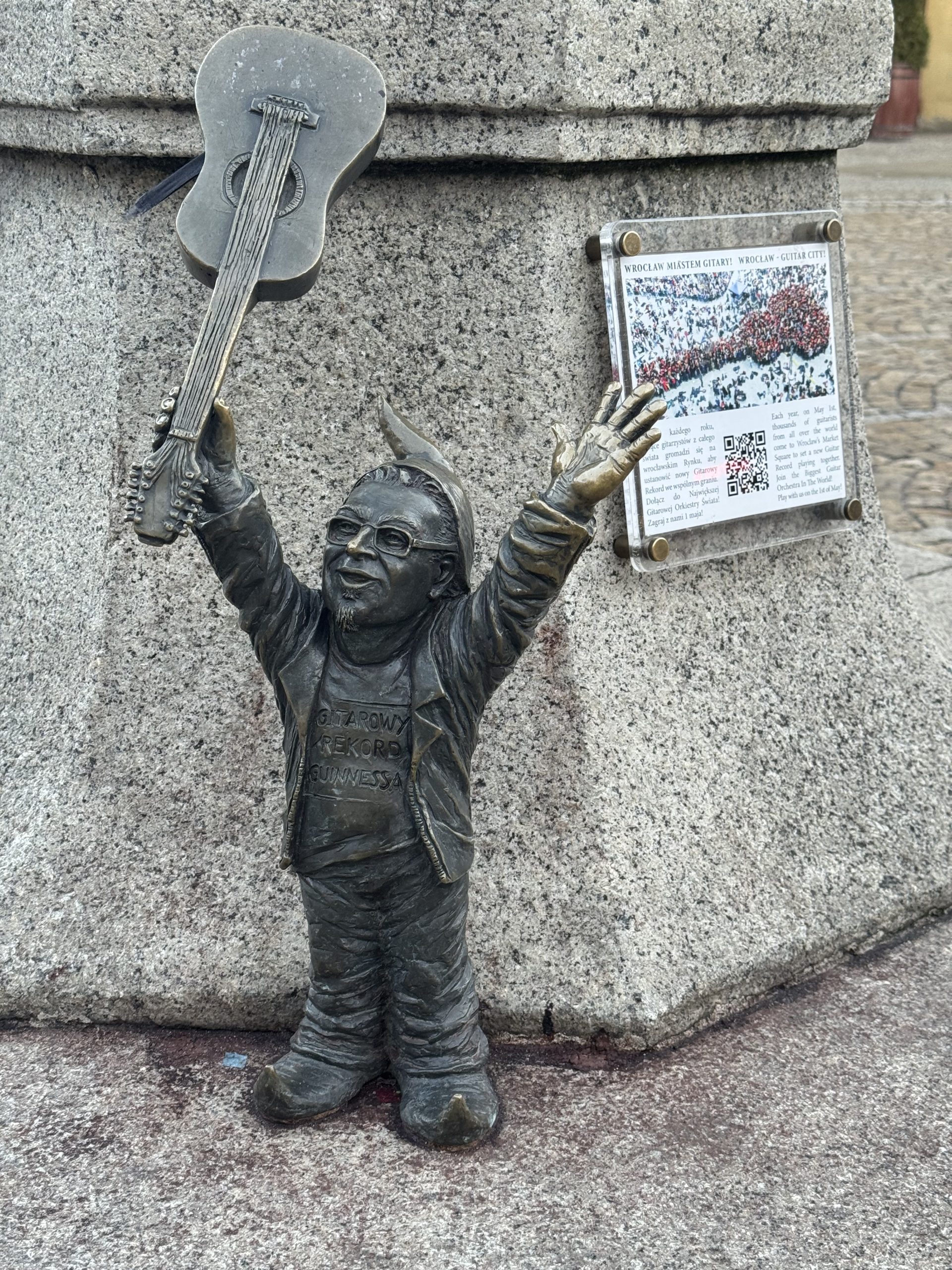
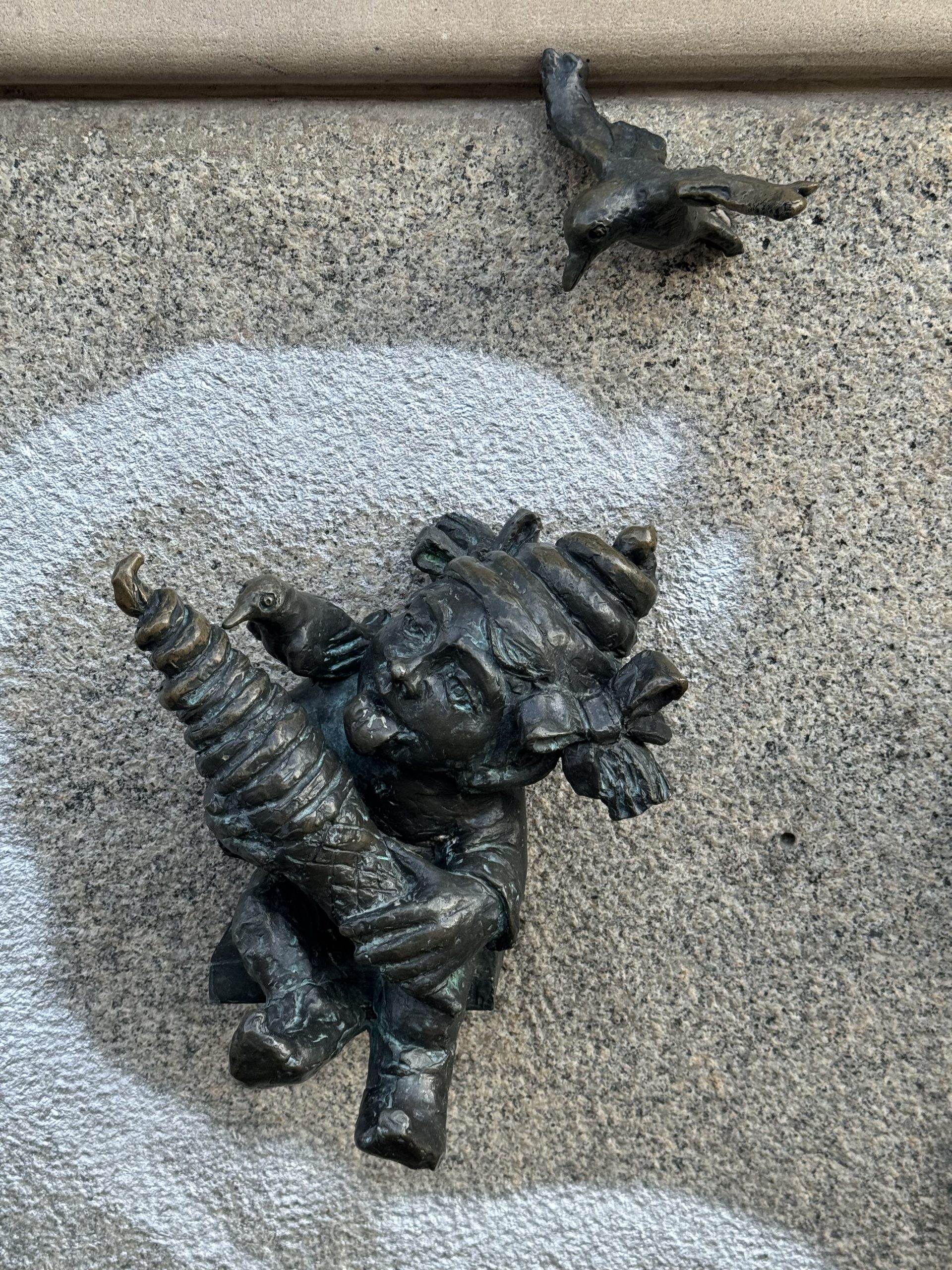
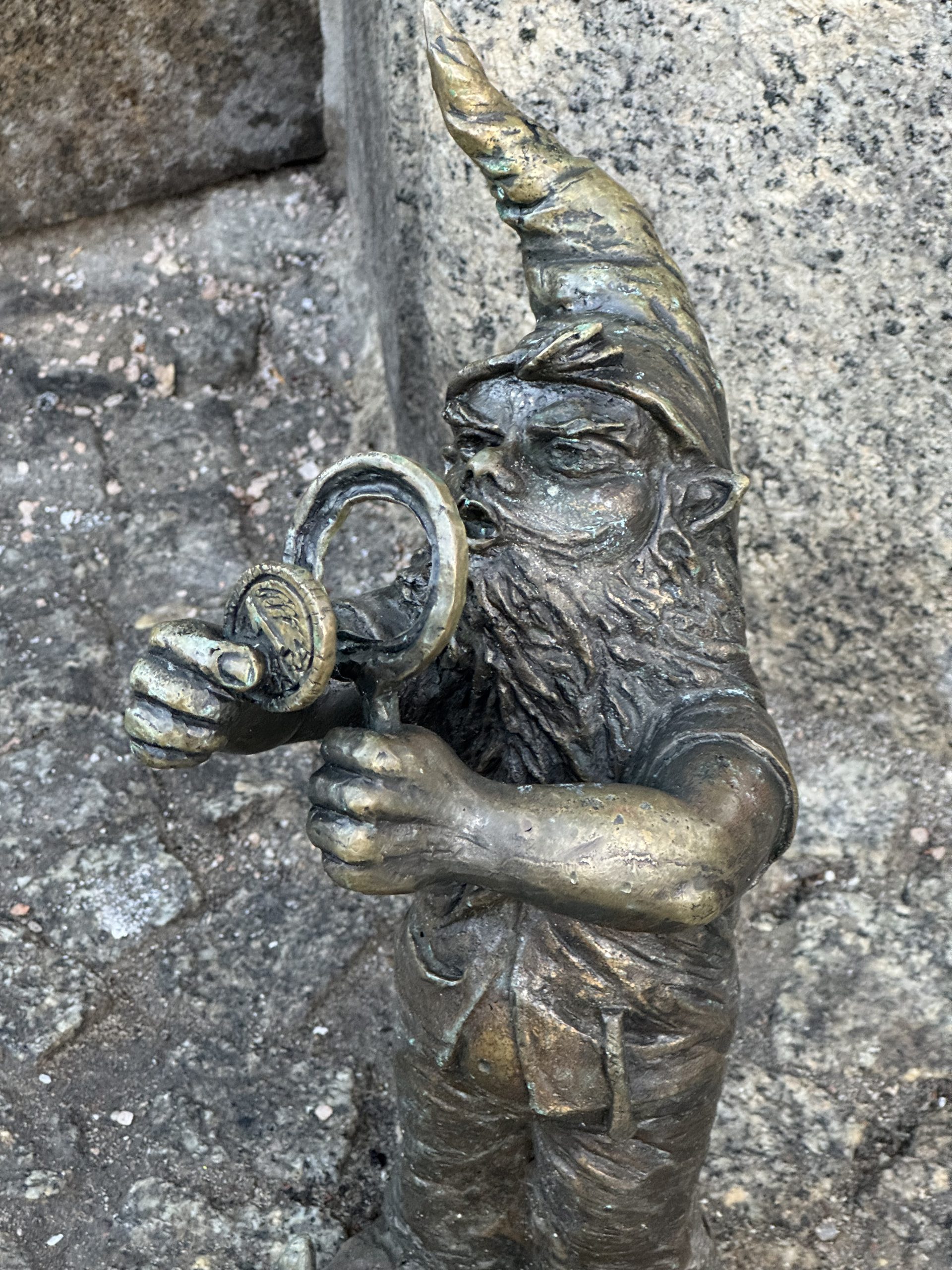
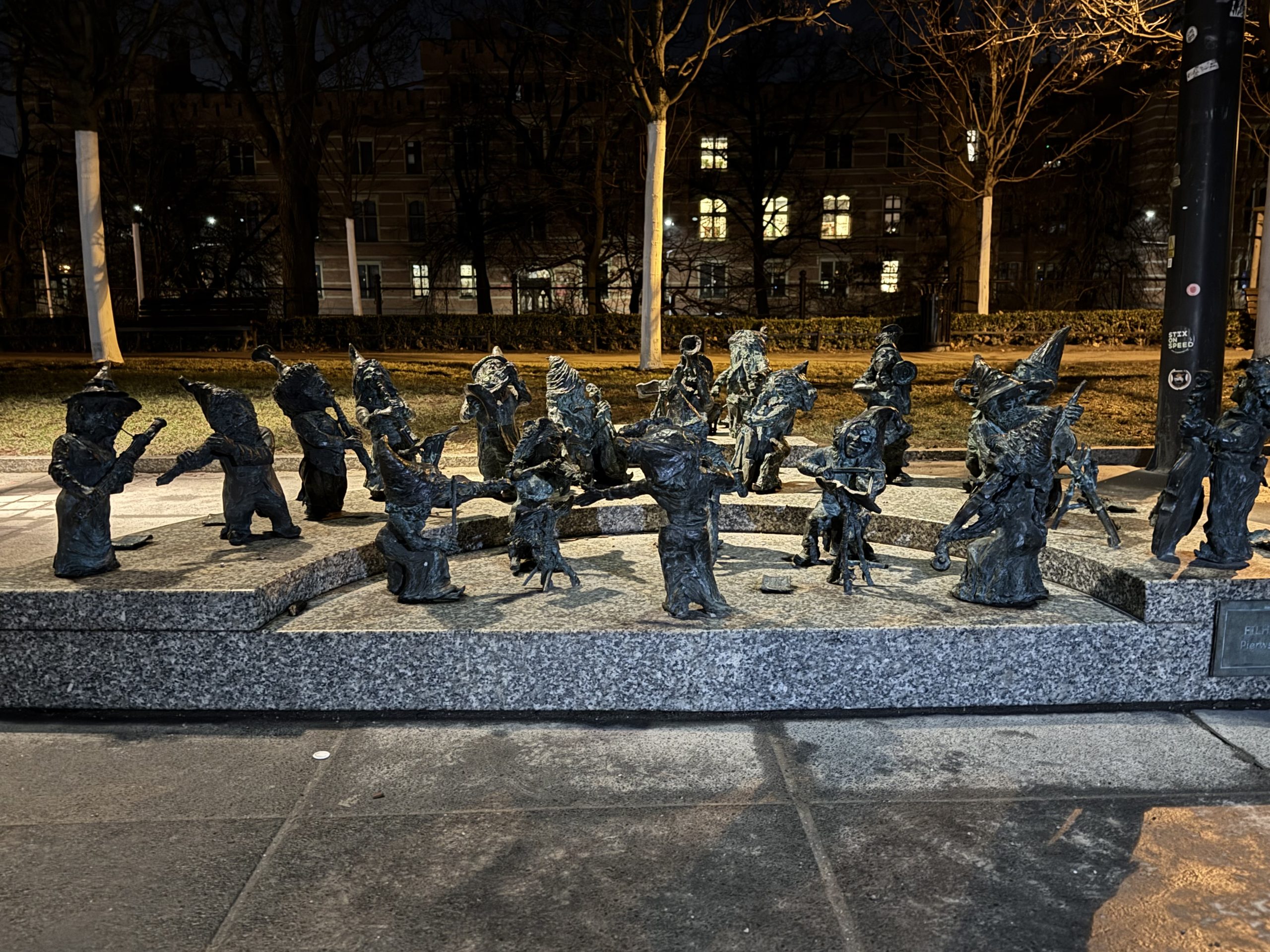
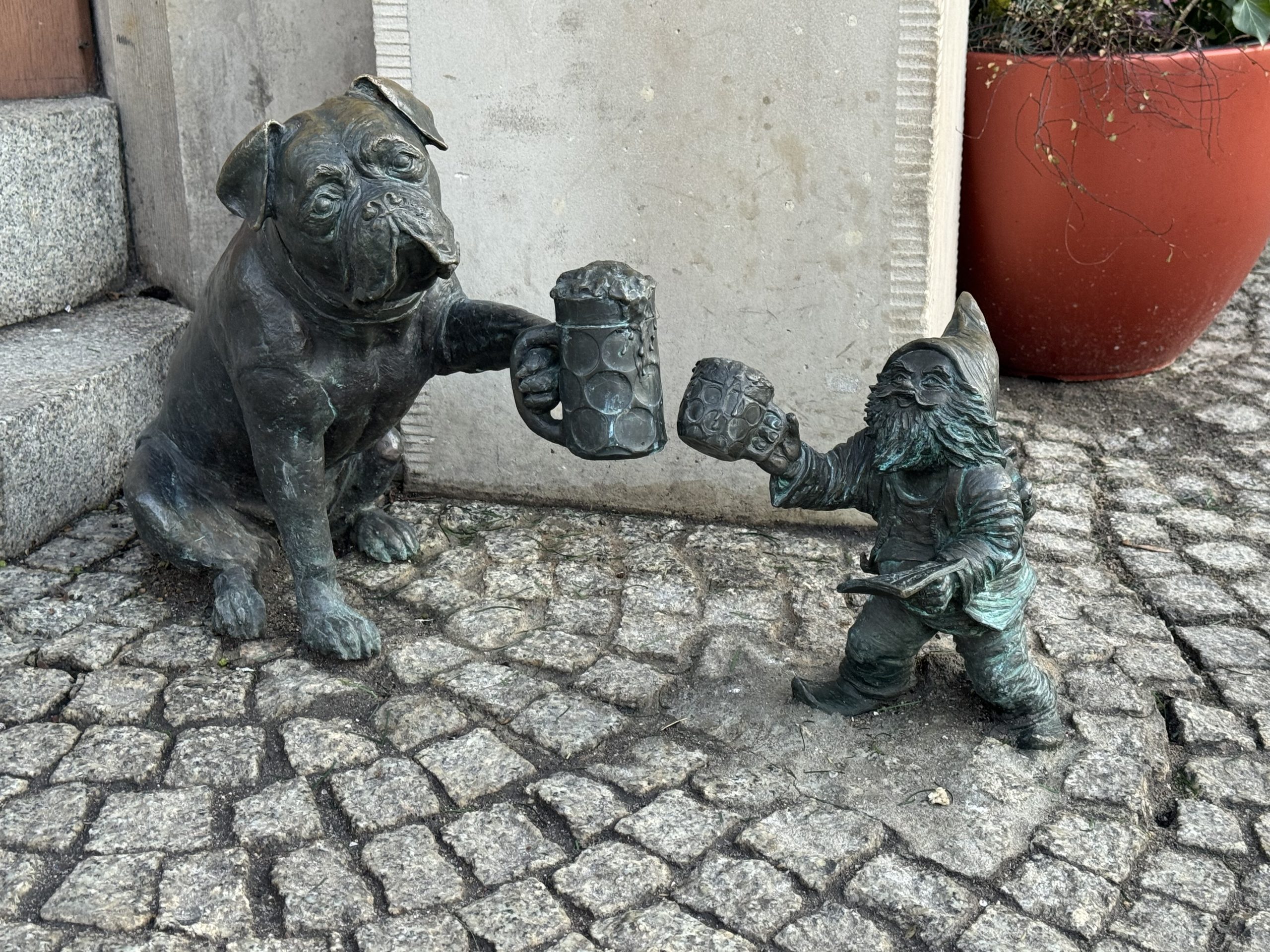
The main goal of our walk round the city was to hunt out some of the Wrocław dwarves. Hidden in plain sight across the city are hundreds bronze dwarves, each less than a foot tall. Nobody knows the exact number but estimates suggest there are more than 1,000. Quirky, fun, cheeky; leaning on walls, sunning themselves in courtyards, resting on benches and windowsills – you never know where you’ll find the next one. Each one unique, full of character, often linked to the business or location where it has been placed. We found chemists and architects, artists and dancers. A slightly ironic photographer-dwarf taking a photo of an even tinier dwarf. One dwarf was buckling under the weight of too many padlocks (a witty reference to the struggle to keep ‘love locks’ off the iron bridge leading to the cathedral). At the end of the day on our walk home, we found a fantastic symphony orchestra of dwarves in front of the National Foundation for Music. They make for a fun and entertaining treasure hunt through the city – but also represent a much more serious side to Wrocław’s history.
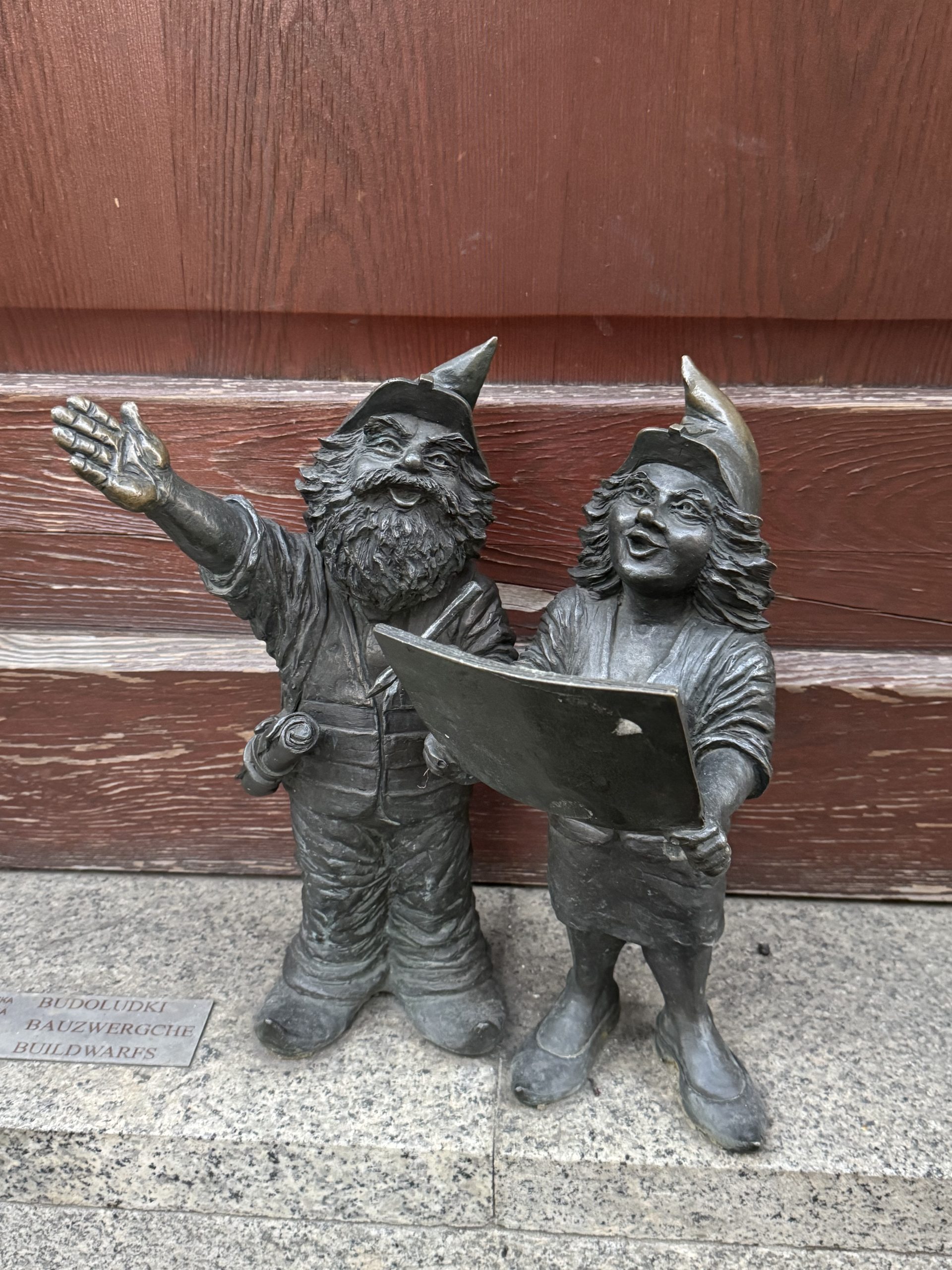
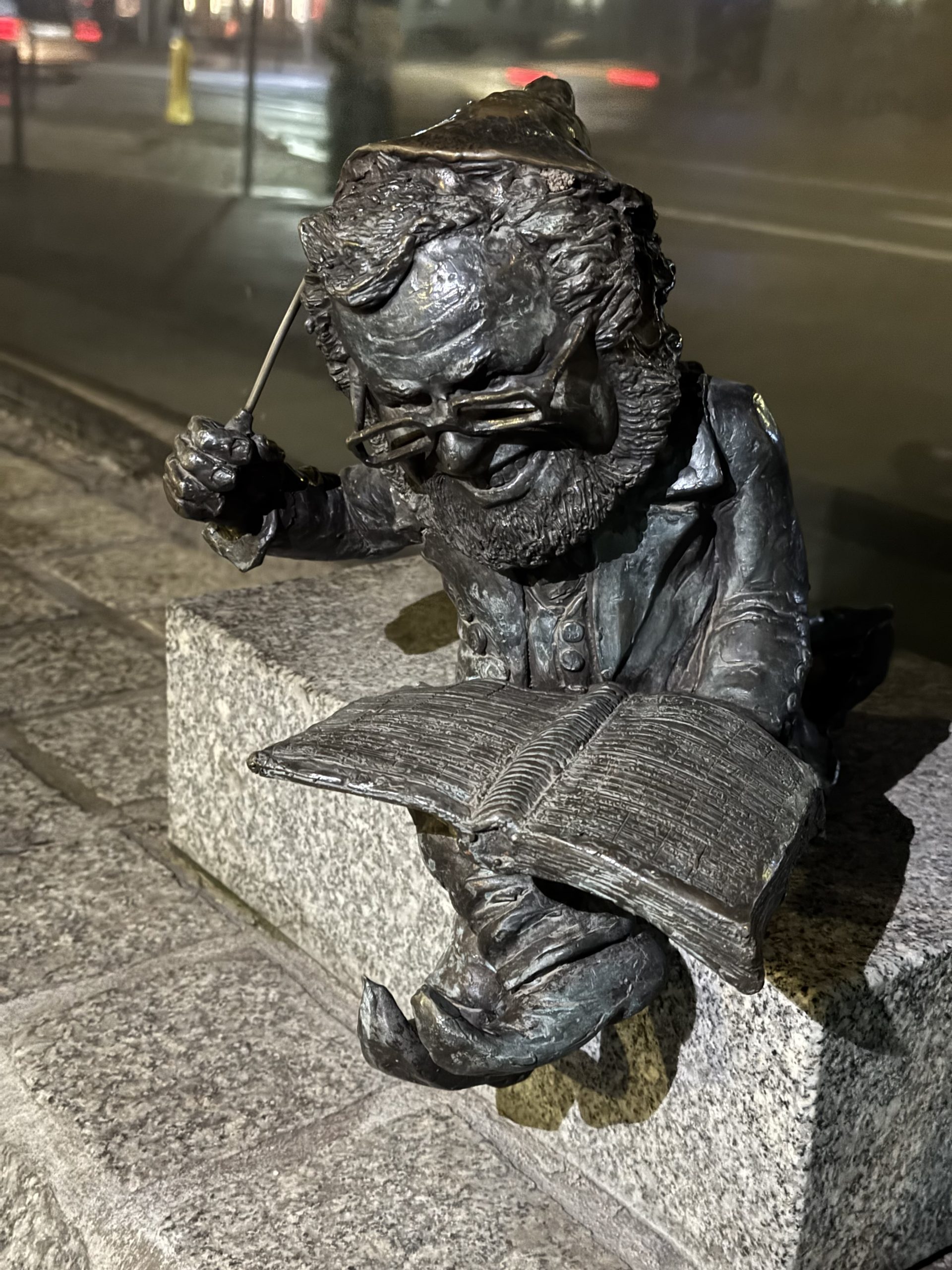
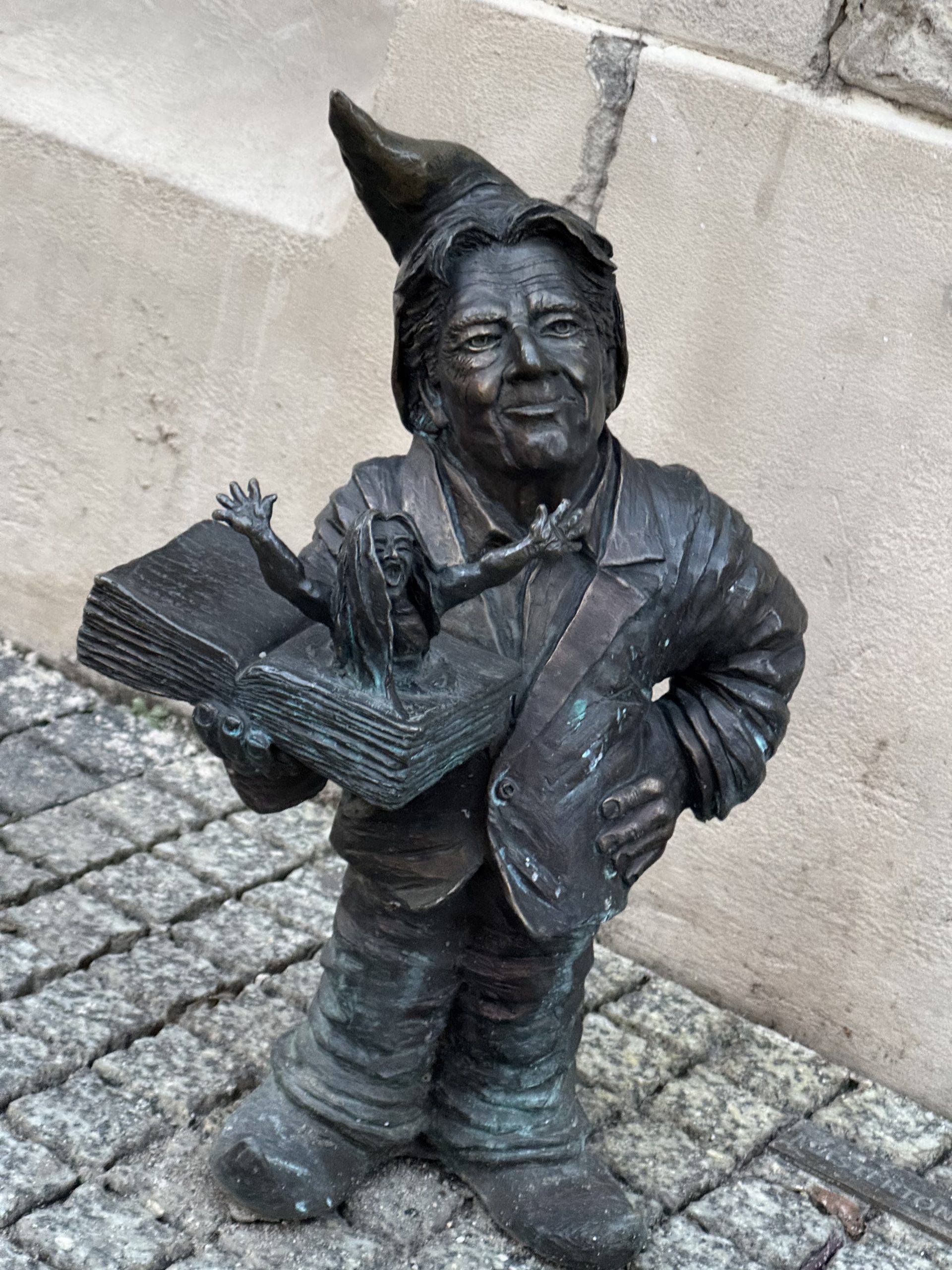
In the 1980s, a peaceful protest movement called the Orange Alternative used art and humour as tools of resistance against the repressive communist regime. Armed with spray paint, they defaced communist propaganda and painted dwarves onto walls where anti-regime slogans had been covered up. At a hugely dangerous time in the city’s history, the dwarves injected a note of humour and encouraged people not to be afraid to protest.
Gradually, the dwarf spread as a symbol of resistance, culminating in a massive demonstration in 1988, thousands of people marching into town and chanting ‘freedom for dwarves’. The event showed the country and the world that communism was unravelling in Poland, and was part of the movement that ultimately toppled the repressive regime.
The first bronze dwarf was placed in the city in 2001 as a tribute to the Orange Alternative, and marked the beginning of an ever-growing family of dwarves which are now an iconic feature of the city.
Wrocław’s other claim to individuality is its Lamplighter. Every night at dusk, a man in a black cape makes his way round Cathedral Island, lighting each of 102 gas lamps as he goes. It’s quite the spectacle in the gathering twilight, against the backdrop of the gothic cathedral and twinkling fairy lights in the trees. A little extra piece of the ancient in this city, and a very atmospheric sight to watch.
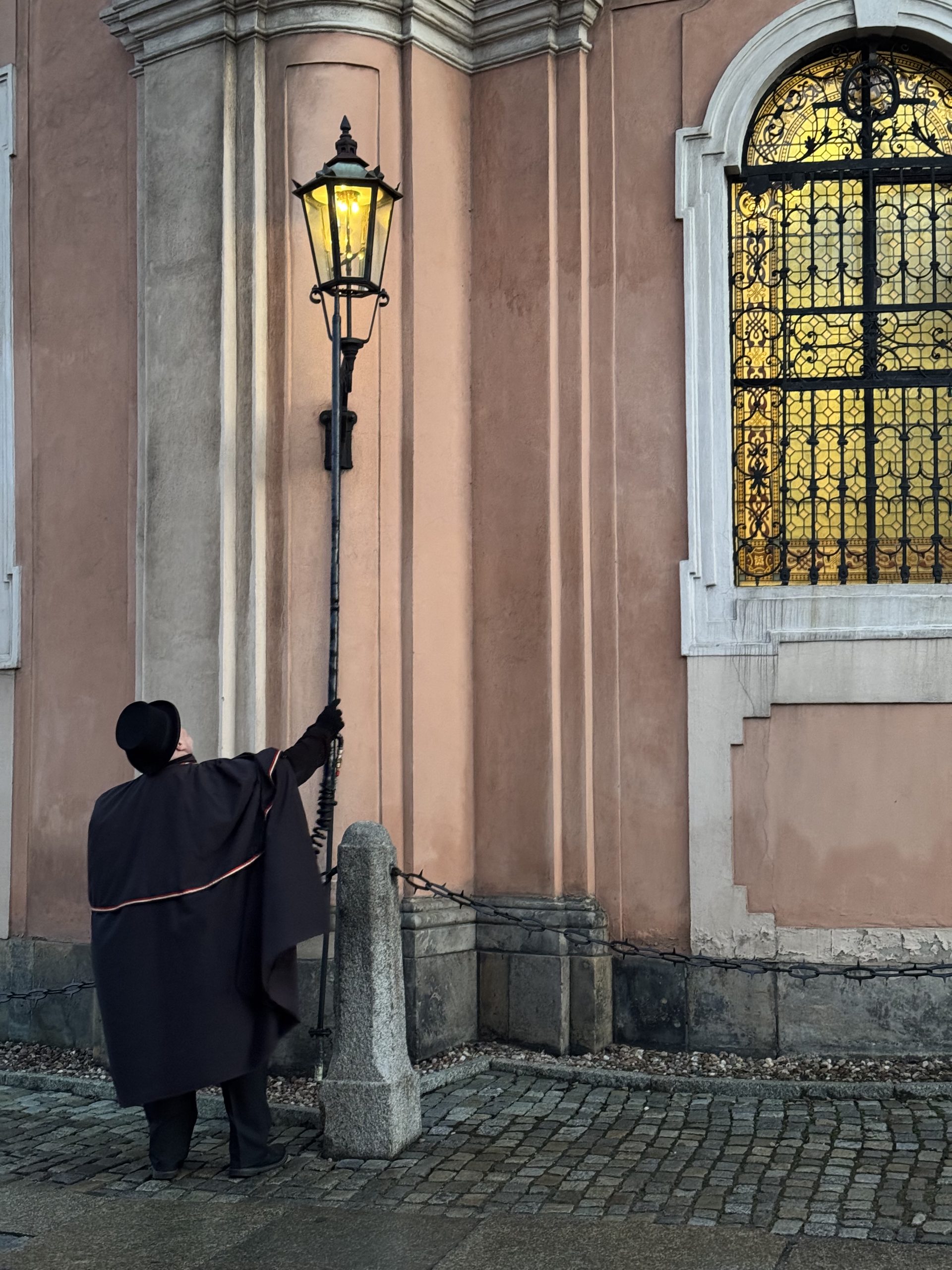
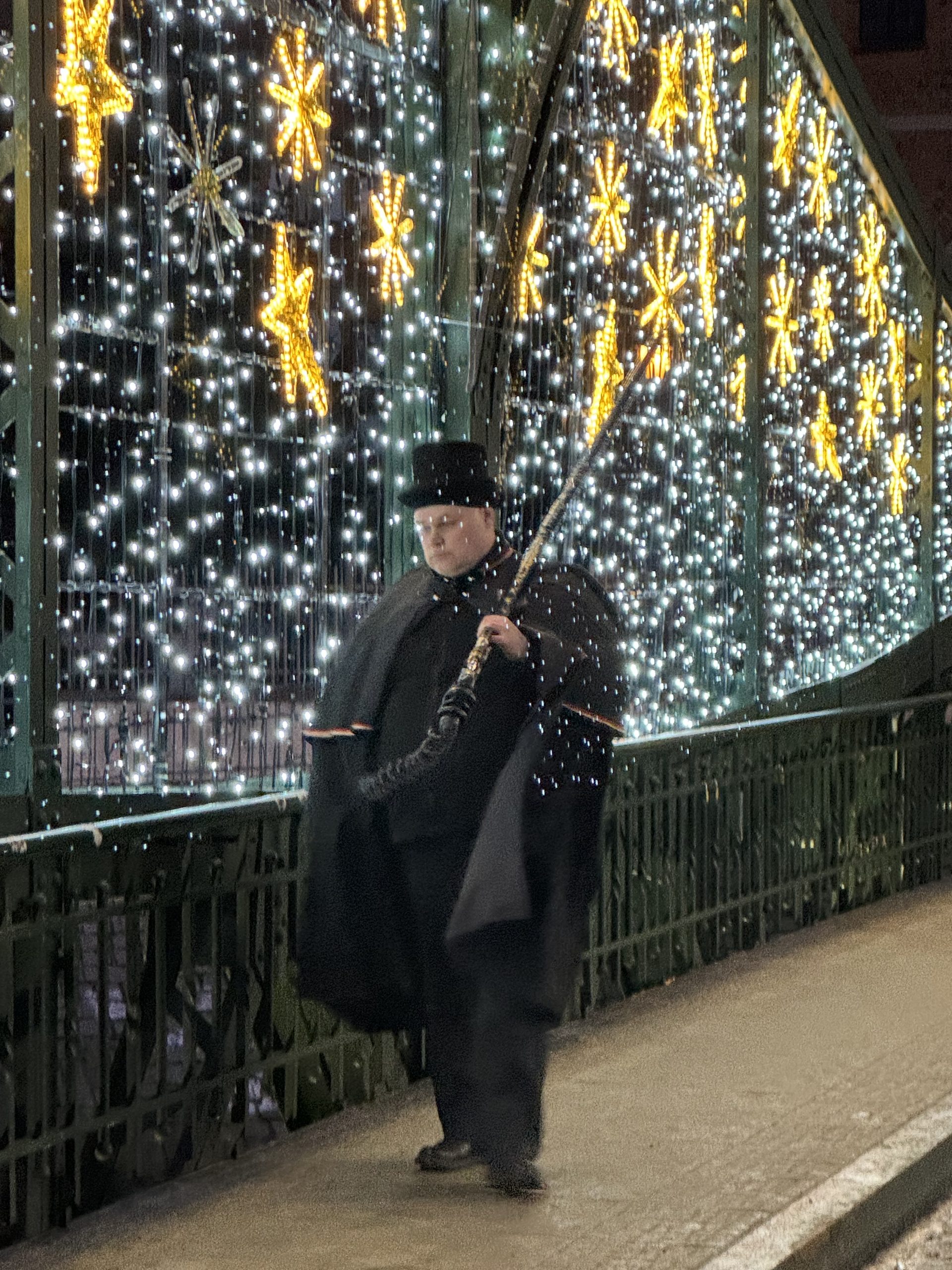
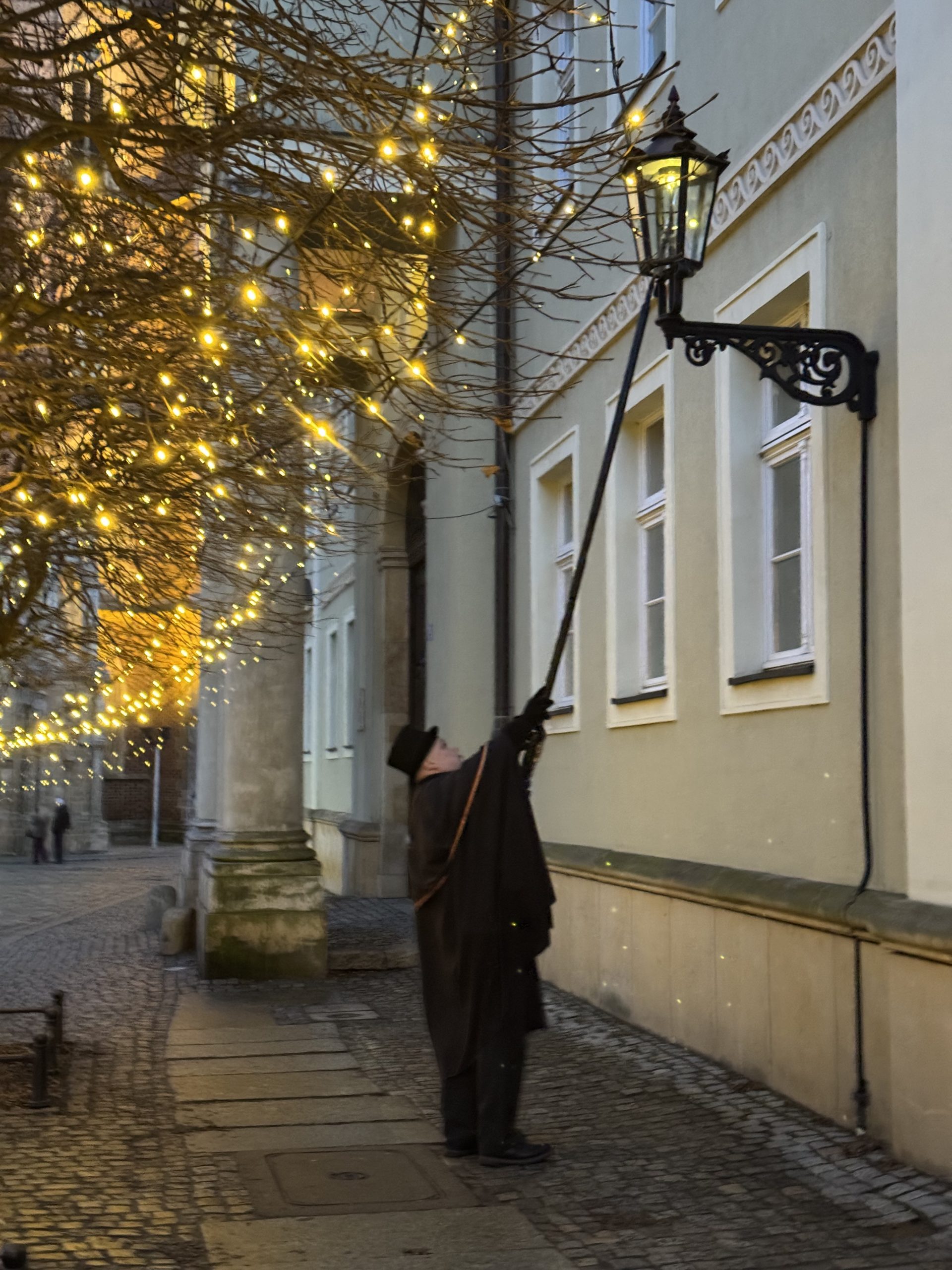
Wroclaw worked hard to win us over, and gave us a fun, quirky and different day. It’s well worth exploring the churches and islands – and we also found great coffee and excellent gluten-free pancakes. I didn’t fall in love with the city; it was too big, busy, and just lacking in magic after everything that we’ve been so lucky to see so far. But if deep winter has held us under its spell for the last few weeks, something had to break it. Maybe if we’d visited Wroclaw under different circumstances, I would have felt quite differently.
Anyway. Onwards – and heading towards mountains. As I write this, we’re on a train heading to Vienna. A very complicated day of travelling was narrowly rescued when the guard very kindly held our train (and goodness knows how many hundred passengers) for 10 minutes to wait for two travelling Brits whose connecting train was just a bit too laid back making its way south across Poland. After a bumpy start, we’ve now got a nice little compartment to ourselves and enjoyed a very excellent breakfast of scrambled eggs in a lovely dining car. The snow has returned as we race across Czechia, hills on the horizon and some beautiful towns in the foreground, a hint of sun through the clouds.
We’ll have a night in Vienna to enjoy the city tonight, and then the Alps are calling: a winding route from east to west, finding our way through valleys and over mountain passes to see where we end up. Let’s bring on the next adventure!